An industrial drone budget is credible only when it prices the complete operating capability: aircraft, installed payload, data workflow, field kit, training, compliance, maintenance, and downtime. Comparing bare-airframe prices can make the lowest quote the most expensive program.
Table of Contents
- Price the Mission, Not a Bare Airframe
- Build the Acquisition Budget in Layers
- Add Recurring and Conditional Operating Costs
- Include Integration, Security, and Compliance Work
- Compare Ownership, Service, and Hybrid Models
- Normalize Supplier Quotes Before Ranking Them
- Lock the Budget With a Representative Acceptance Trial
- FAQs
Price the Mission, Not a Bare Airframe
Start with the decision the drone program must support. A corridor survey, close visual inspection, thermal screening, gas measurement, emergency overwatch, and payload delivery do not share one useful price. Each creates a different aircraft, sensor, link, crew, software, and approval package.
Write the operating scenario before requesting quotes: target assets, area or route length, required evidence, operating radius, terrain, weather, launch constraints, data-delivery deadline, and expected annual workload. A seller can then price a defined capability rather than attach attractive options to an underspecified aircraft.
Use an accepted output as the commercial denominator. Cost per flight hour is easy to calculate but can reward rapid collection of unusable data. Cost per accepted inspection, accepted kilometer, or accepted mapping block includes rework and better reflects the buyer’s objective.
The FAA Part 107 overview remains a practical U.S. entry point for small-UAS operating limits. Larger aircraft, advanced operations, other jurisdictions, or specialized payloads require their own assessment. Regulatory work belongs in the budget because the intended mission, not the product label, determines what approvals and operating controls are needed.
Build the Acquisition Budget in Layers
Ask for a line-item bill of materials and identify which party owns every interface. The aircraft line should state the delivered configuration, batteries, chargers, propellers, landing equipment, cases, antennas, ground-control hardware, and any weather or communications options. “Ready to fly” is not precise enough for an enterprise purchase.
The payload line should include the sensor, lens or scanner, gimbal, mounting, power conversion, timing, navigation inputs, calibration, metadata, and processing licenses. A sensor may be compatible in principle yet fail to deliver usable evidence because its weight reduces reserve, its timing is not synchronized, or its native files do not enter the buyer’s workflow.
| Budget layer | What the quote should identify | Evidence to request |
|---|---|---|
| Aircraft system | Delivered airframe, propulsion, batteries, charger, GCS and cases | Serialised configuration and installed-payload limits |
| Mission payload | Sensor, mount, power, control, timing and calibration | Sample raw data and interface responsibility |
| Field package | Spares, tools, generator or power, transport and weather kit | Deployment list for the stated crew and site |
| Data workflow | Processing, storage, export, API and user licensing | Sample deliverable and license terms |
| Support package | Training, warranty, repair route, loaner and response target | Service scope, exclusions and escalation path |
| Acceptance | Factory and site tests, targets, travel and retest | Signed protocol with pass/fail measures |
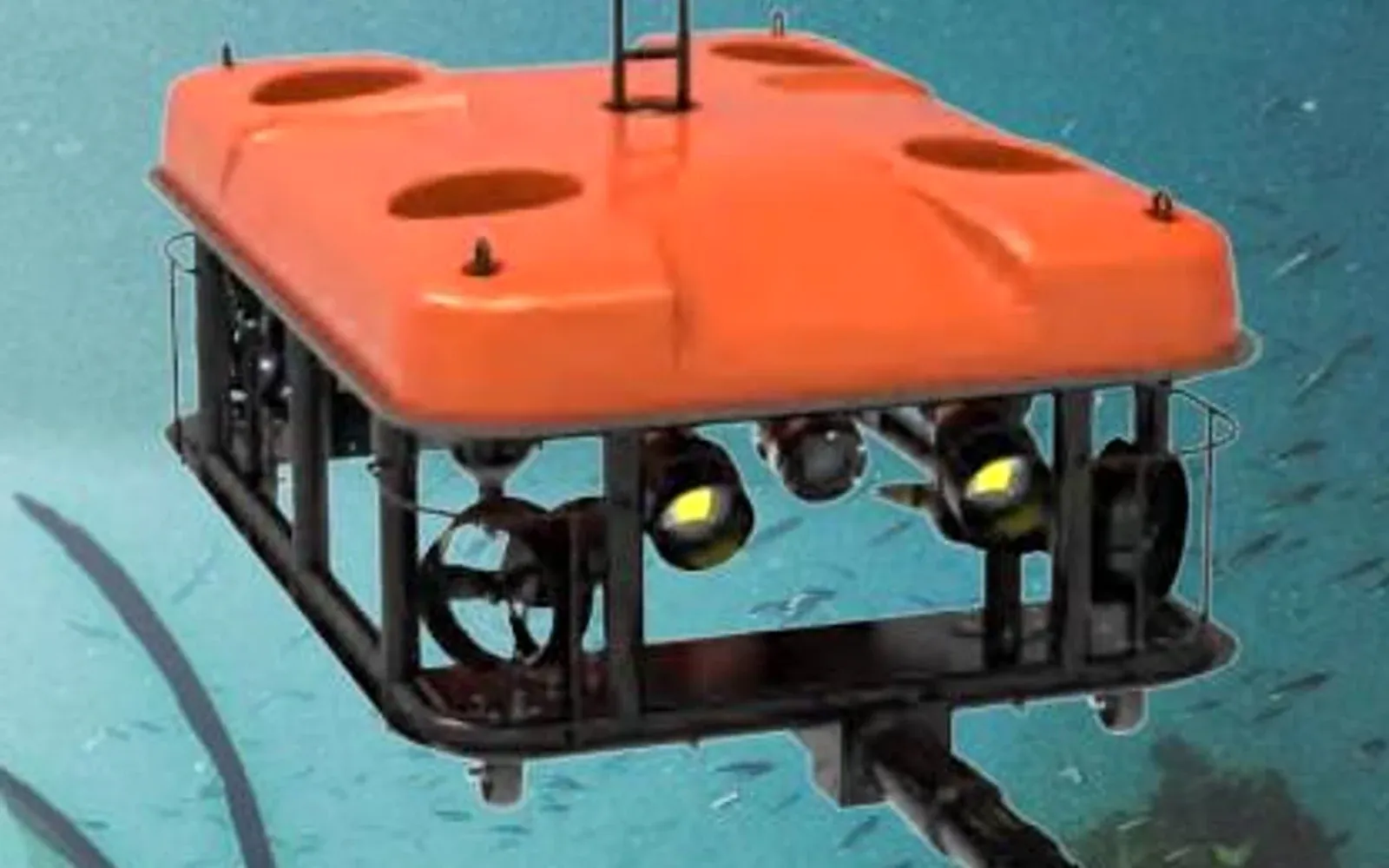
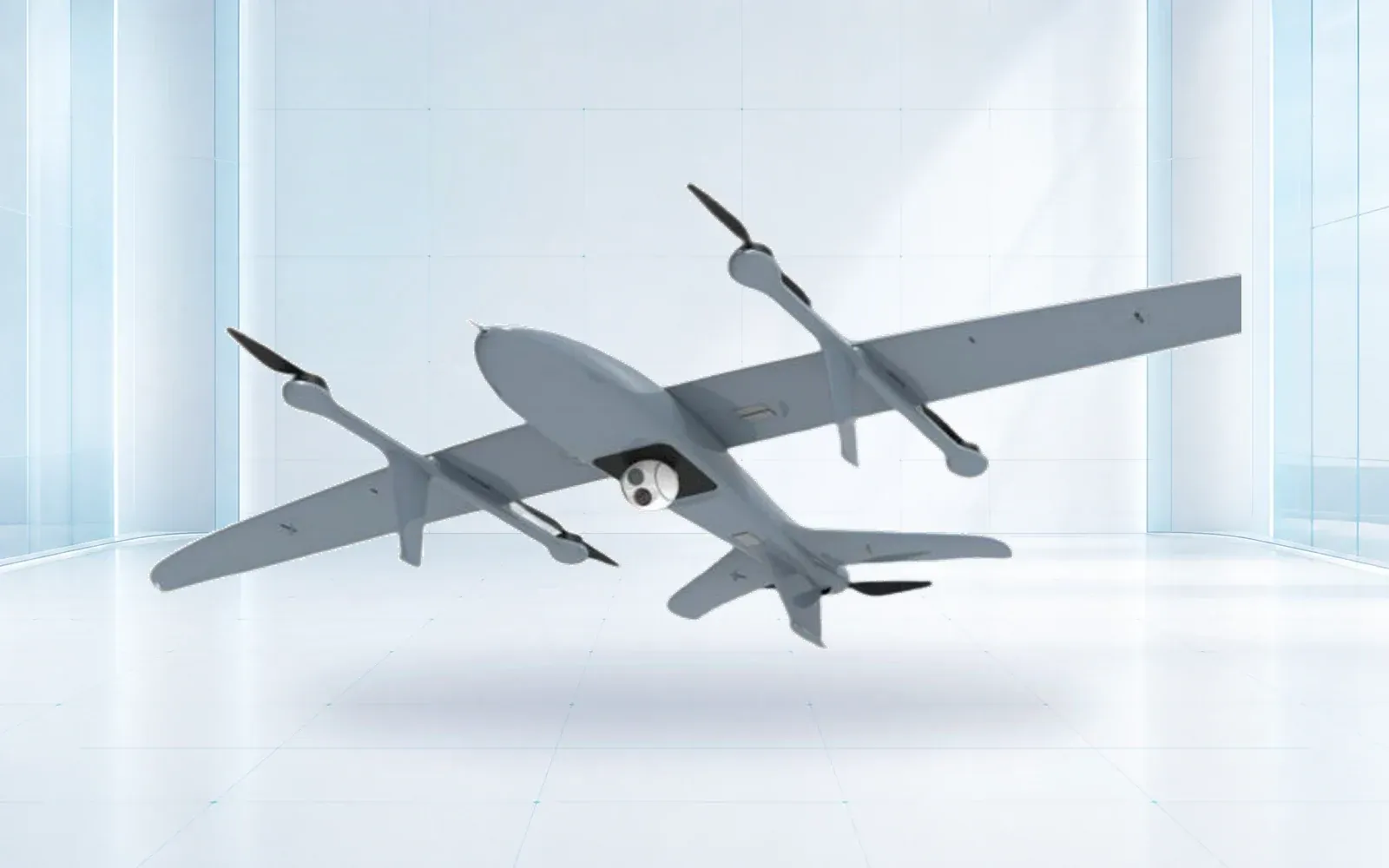
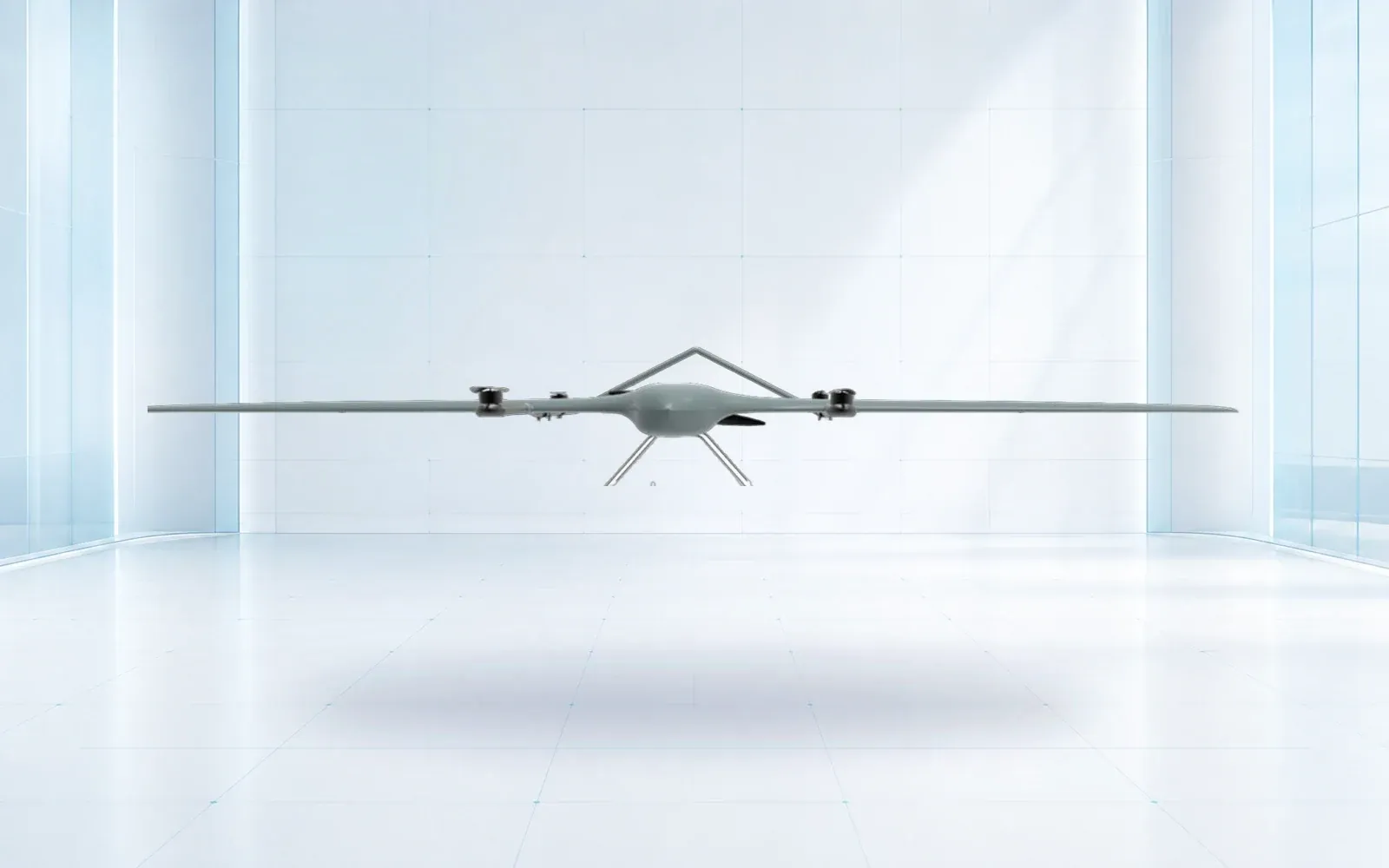
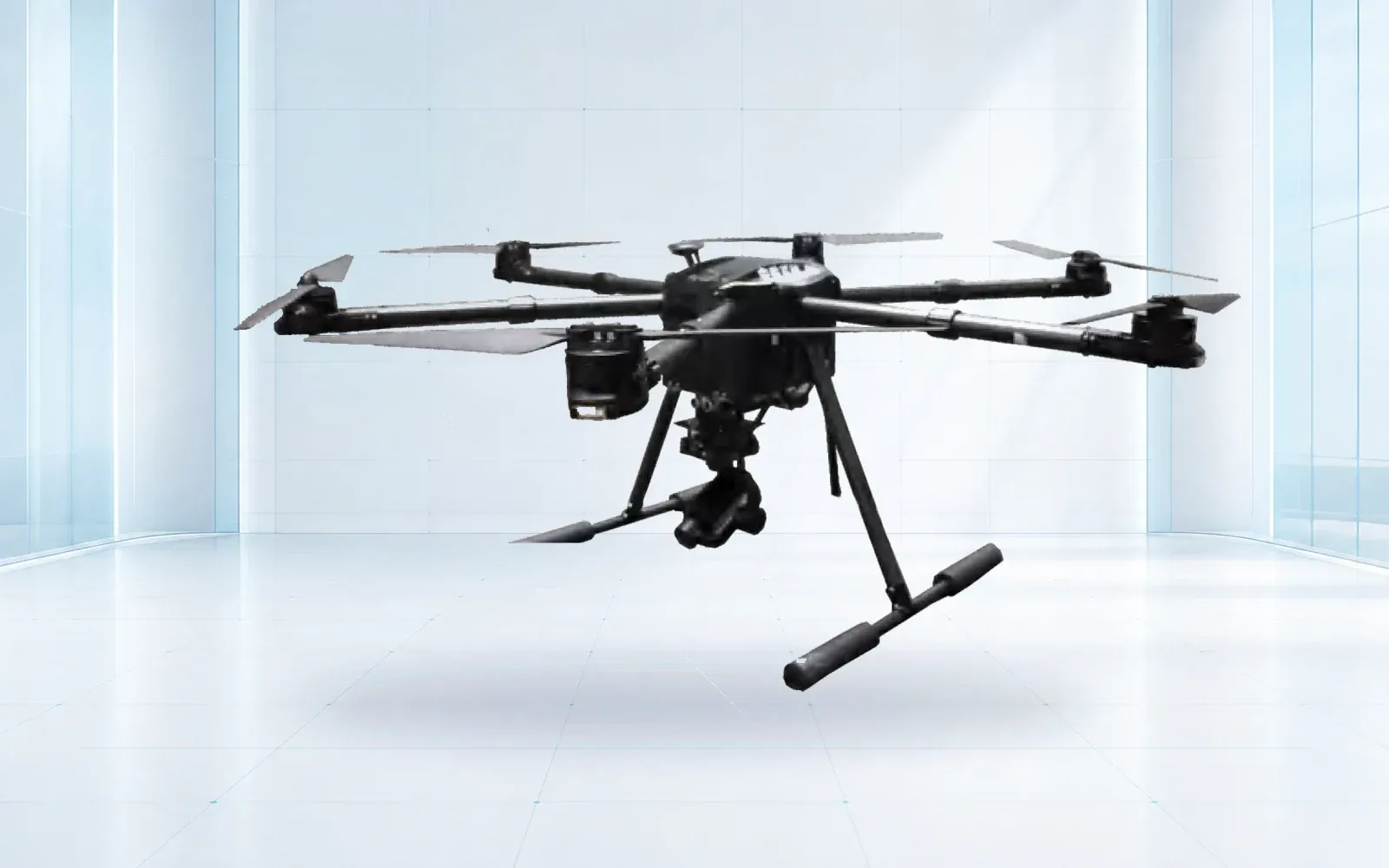
The ZJ-G25 VTOL survey UAV and F4 waterproof multirotor illustrate why configuration comes before price comparison. A long-area survey platform and a close-observation multirotor answer different field economics even when both can carry imaging payloads.
Add Recurring and Conditional Operating Costs
Model at least three years, and use the real operating calendar rather than maximum annual flight hours. Recurring costs include operator and observer labor, mission planning, travel, batteries, inspection, calibration, software, connectivity, data storage, insurance, training currency, consumables, and program management. Conditional costs include damaged payloads, expedited repair, customs delays, new approval work, and surge crews.
Batteries deserve a cycle and calendar-life model. Include reserve packs, storage, safe transport, state-of-health tracking, retirement criteria, and disposal. A nominal pack count does not show whether the team can complete the daily mission profile while maintaining safe reserves and allowing charging or cooling time.
Price downtime separately. Estimate the probability and duration of aircraft, payload, ground-station, and software outages, then assign the cost of a postponed inspection, hired substitute, idle crew, or missed access window. A more expensive support plan may be economical when asset access is scarce or outage consequences are high.

Include Integration, Security, and Compliance Work
Enterprise deployment rarely ends at data download. Price user accounts, role design, device hardening, encryption, offline operation, network review, API work, asset-ID mapping, retention, backups, and exports into GIS, maintenance, evidence, or incident systems. Define who maintains each integration when firmware, payload, or platform software changes.
In the United States, drones that require registration generally must comply with applicable Remote ID requirements, subject to the stated operating exceptions. Buyers should price compliant configuration, registration administration, fleet records, and change control rather than assuming a broadcast module solves every operational question.
The FAA’s 2026 Drone Normalization Strategy describes a continuing move toward more complex operations and electronic awareness. That direction is useful for planning, but a strategy document is not approval for a specific mission. Budget for evidence, safety analysis, training, and operational changes that an advanced concept may require.
Compare Ownership, Service, and Hybrid Models
An owned fleet provides scheduling control and internal knowledge but carries fixed staffing, maintenance, governance, and utilization risk. A service model converts part of that cost into an accepted-deliverable price and may provide specialized sensors or pilots. It also requires clear data rights, service levels, repeatability, and supplier continuity.
A hybrid model often fits variable demand: own the frequently used base capability, then contract rare payloads, advanced regulatory work, or surge capacity. Compare models with the same output definition and workload scenarios. Do not compare an owned aircraft’s purchase price with a service provider’s fully staffed deliverable price.
Run low, expected, and high utilization cases. Include the point where extra crews, aircraft, batteries, or software seats become necessary. The resulting sensitivity analysis is more useful than a single payback month because it shows which assumptions control the decision.
Normalize Supplier Quotes Before Ranking Them
Issue one compliance matrix to all bidders. Require a response of compliant, partially compliant, noncompliant, or not applicable, plus a document or test reference. Separate verified delivered capability from roadmap features. State whether taxes, freight, duties, travel, commissioning, and site work are included.
Convert every proposal to the same years, workload, currency date, support period, spares policy, and residual-value assumption. Add buyer-supplied items and credible exclusions. Where performance affects cost, use the installed payload and planned operating envelope rather than an unloaded marketing maximum.
Technical scoring should precede price ranking. A quote that cannot meet the evidence, safety, data, or support requirement is not a bargain. The industrial UAV procurement checklist covers the broader evidence file; this cost model turns that file into comparable commercial lines.
Lock the Budget With a Representative Acceptance Trial
Use factory acceptance to verify configuration, records, interfaces, basic functions, and contracted options. Use site acceptance to test representative terrain, targets, payload, communications, weather bounds, crew workflow, data processing, and recovery. State who pays for travel and retest if a requirement is missed.
Measure accepted output, field time, processing time, reflight rate, battery use, link interruptions, data defects, and support response. Update the TCO model with observed numbers before fleet expansion. Record retest triggers for material changes to aircraft, payload, software, navigation, integration, or mission profile.
To scope a defensible budget, review the industrial UAV portfolio, critical infrastructure deployment options, and technical resources, then contact OMNI UXV with the mission profile, installed payload, annual workload, deliverable, and acceptance measures.
FAQs
How much does an industrial drone cost?
There is no useful universal price because payload, endurance, environmental protection, data processing, support, and regulatory scope change the delivered system. Ask for a configured, supported, acceptance-tested price tied to a defined mission.
Is the payload normally included in an industrial drone price?
Not always. Quotes may exclude the camera, lidar, gas sensor, gimbal, integration hardware, calibration, or processing software, so buyers should require a line-item configuration and interface responsibility matrix.
Which recurring costs are most often missed?
Common omissions include batteries, inspection and calibration, software subscriptions, connectivity, operator currency, travel, consumables, repairs, data storage, insurance, and replacement coverage during downtime.
How should two industrial drone quotes be compared?
Normalize both quotes to the same mission, installed payload, environmental and regulatory assumptions, deliverables, support period, spares, acceptance test, and cost unit such as an accepted asset or mapped square kilometer.