

Extended-area awareness
Border & Homeland Security
Layered aerial, low-altitude and ground awareness designed around terrain, authority, communications and evidence—not a single sensor range.
Review architecture →Nine mission architectures
Explore nine mission-led architectures connecting UAV, counter-UAS, sonar, monitoring, sensing and command platforms to operating risks, existing systems and acceptance goals.
Extended-area awareness
Layered aerial, low-altitude and ground awareness designed around terrain, authority, communications and evidence—not a single sensor range.
Review architecture →
High-consequence sites
A multi-sensor operating model for perimeter, low-altitude, inspection and incident coordination around energy, water and public infrastructure.
Review architecture →
Repeatable field intelligence
A survey-to-decision workflow for crop mapping and field intelligence, with payload, calibration and data quality defined before aircraft selection.
Review architecture →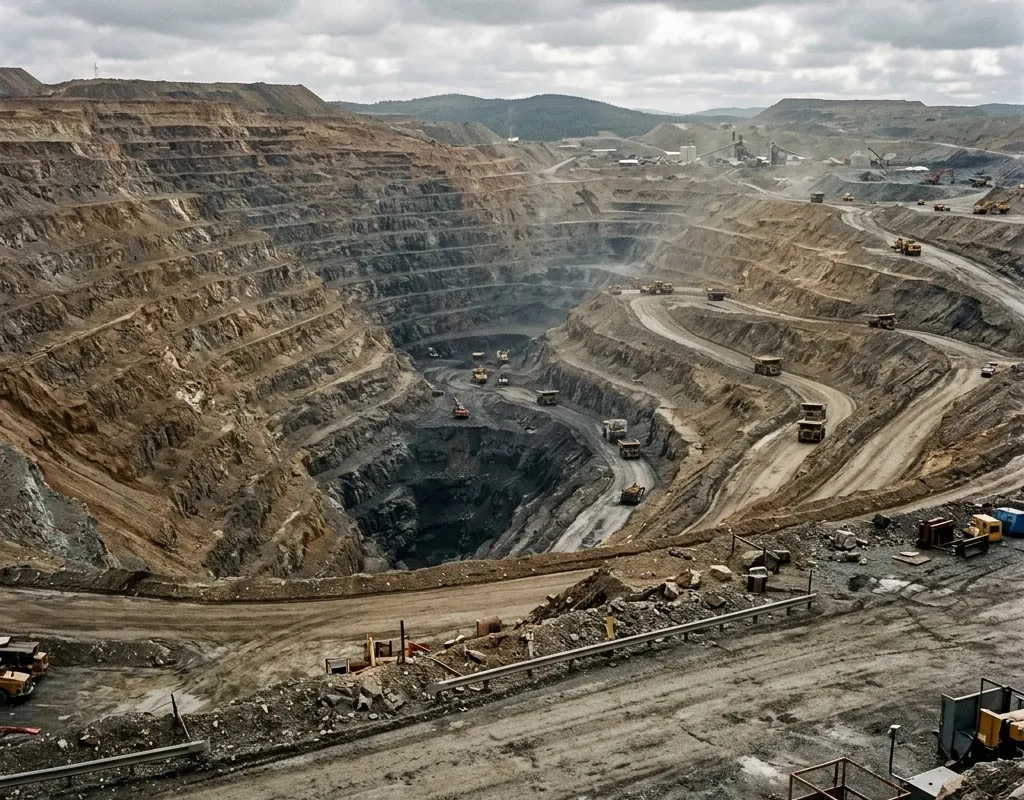
Movement evidence and response
Slope radar, GNSS, aerial inspection and governed alarms configured around movement, warning time and operational response.
Review architecture →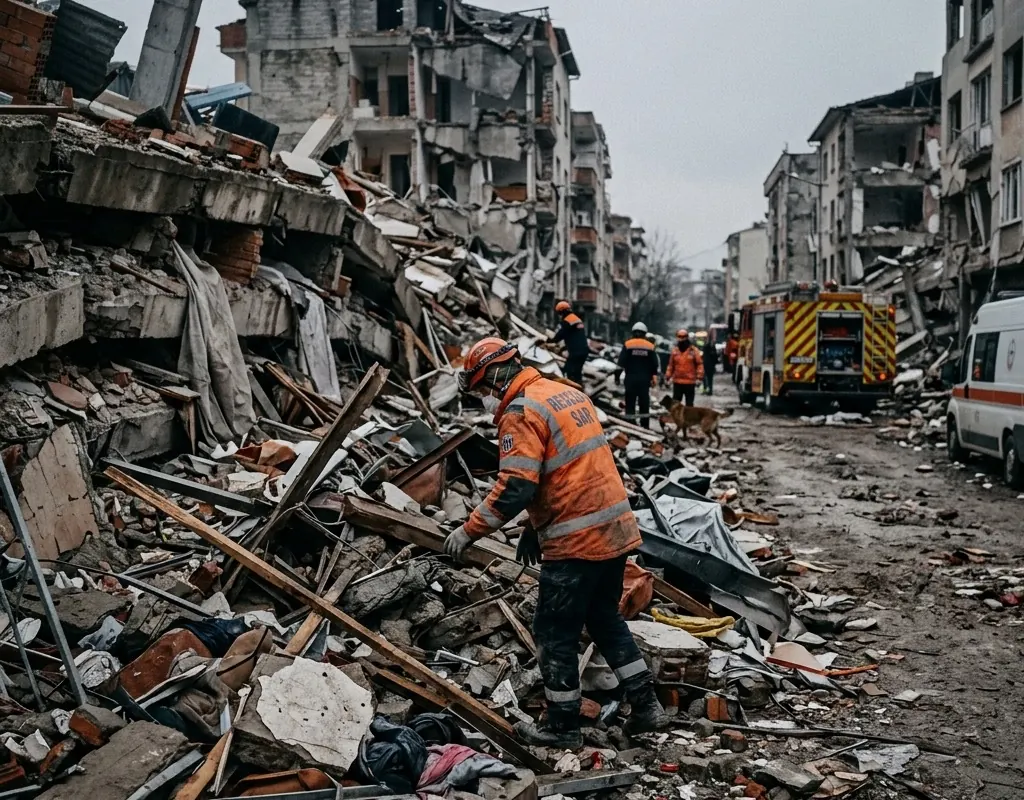
Evidence-led search
A modular workflow for aerial assessment, life-detection search and command coordination without inventing universal deployment times or detection certainty.
Review architecture →
Above and below water
A coordinated approach to aerial awareness, waterside observation, underwater search and infrastructure inspection.
Review architecture →
Process-aware protection
Inspection, low-altitude security, ground movement and command workflows configured around process consequence and hazardous-area constraints.
Review architecture →
Road sensing and governance
Radar-video sensing, warnings, access control and platform integration designed around road geometry, data contracts and privacy.
Review architecture →
Authorized situational awareness
A governed architecture for aerial observation, low-altitude alerts, restricted sensing and incident evidence with human authorization at every response step.
Review architecture →How to use the library
Describe the operating decision, risks, site, authority and evidence that matter.
Select layers and product references against measurable requirements and interfaces.
Agree acceptance conditions, pass criteria, records and degraded-mode behavior.
No. They are reference architectures that show how capabilities can be layered. Site conditions, mission, interfaces, authority, destination, budget and acceptance criteria determine the final configuration.
Potential integrations are assessed against documented interfaces, event semantics, cybersecurity boundaries and configuration support. Compatibility is confirmed during engineering rather than assumed from a protocol name.
A credible schedule depends on scope, evidence, destination review, supply, integration, site readiness and acceptance testing. OMNI UXV provides a project-specific schedule after requirements and dependencies are known.
Share the site, mission, existing systems, destination and acceptance goals. We will identify the technical unknowns before recommending a configuration.
Start a technical inquiry