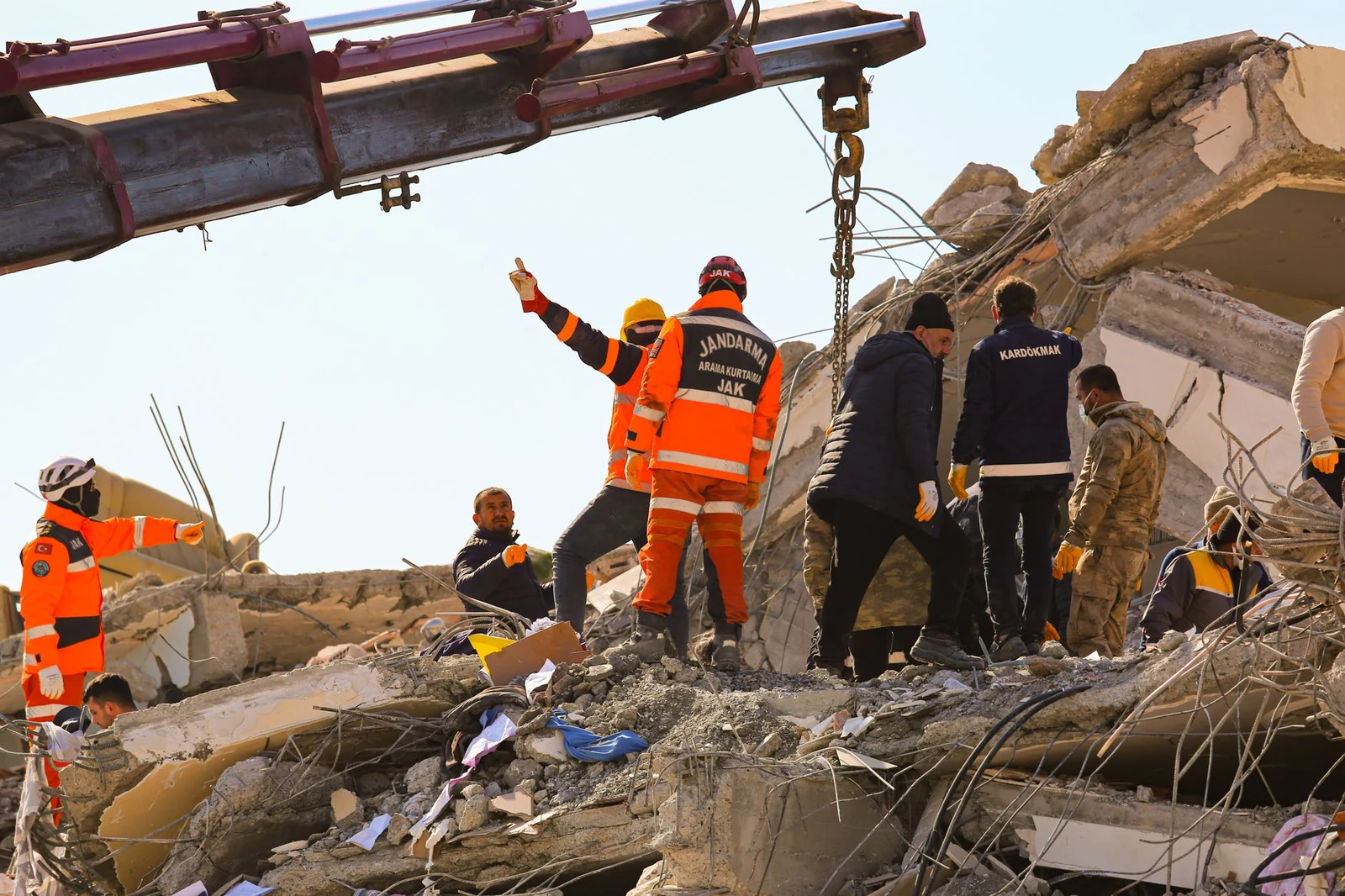
Life Detection Radar Motion Interference: Separate Sensor Movement from Signals
Understand how radar life-detector motion can contaminate observations, and structure controlled comparison trials without overinterpreting a negative result.

OMNI UXV Technical Insights · 167 articles
Practical guidance for selecting, integrating and operating unmanned, sensing and security systems—from mission definition and procurement to compliance, acceptance and lifecycle support.
Technical editorial archive
Showing 1–9 of 167

Understand how radar life-detector motion can contaminate observations, and structure controlled comparison trials without overinterpreting a negative result.

Organize radar life-detector maintenance around ready, deployed, charging and isolated states, with capacity planning and return-to-service checks.

Plan a video-management-system migration that preserves recording access, camera identity, event context and retention obligations.

Use SBOMs in security-sensor procurement to connect firmware components with vulnerability notices, supplier support and safe updates.

Connect infrastructure sensors to a digital twin through asset identity, coordinates, quality states and model versions before buying visualization.

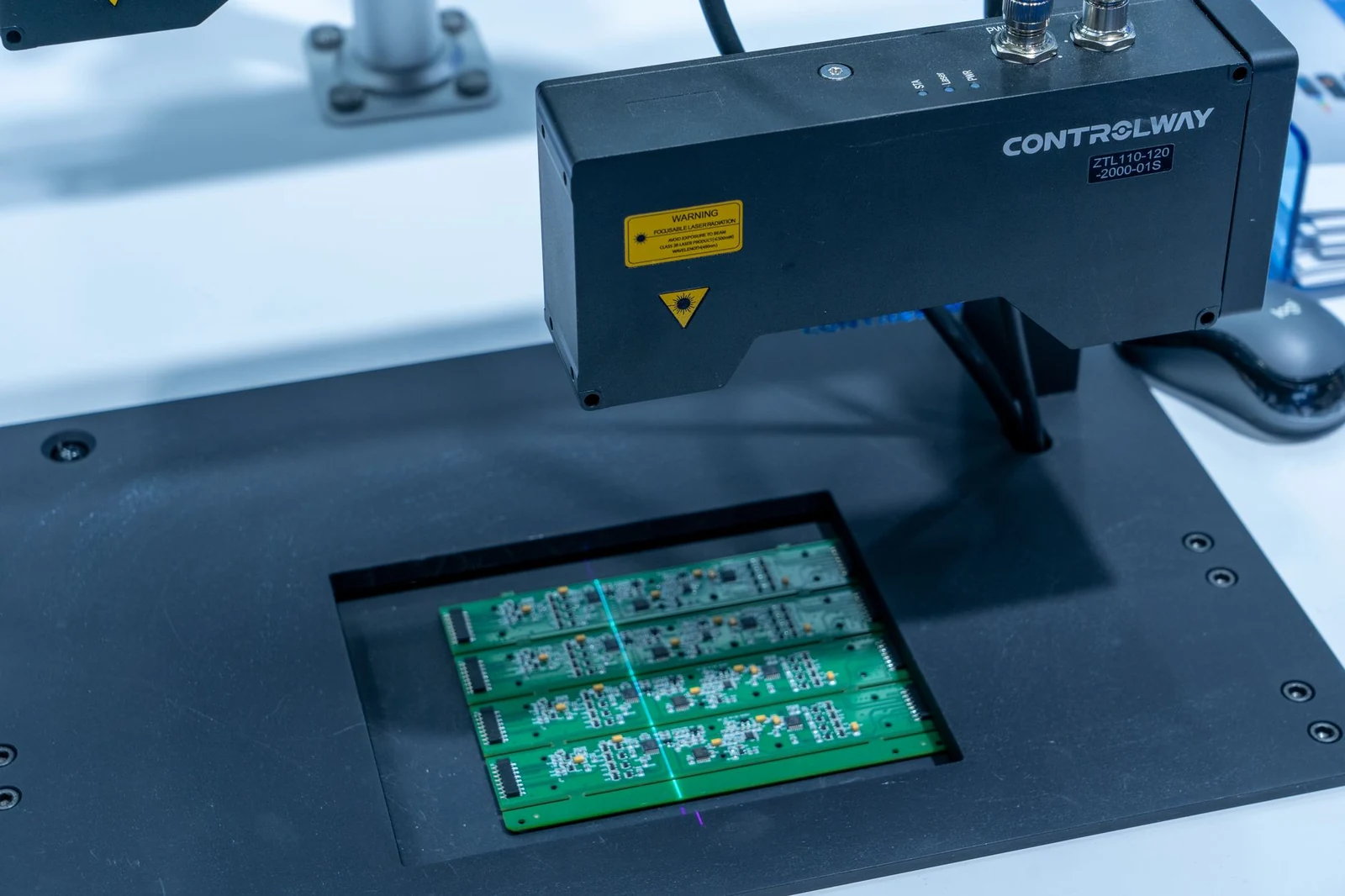
Build a traffic-detector installation budget covering hardware, poles, power, communications, traffic management, commissioning and recurring service.

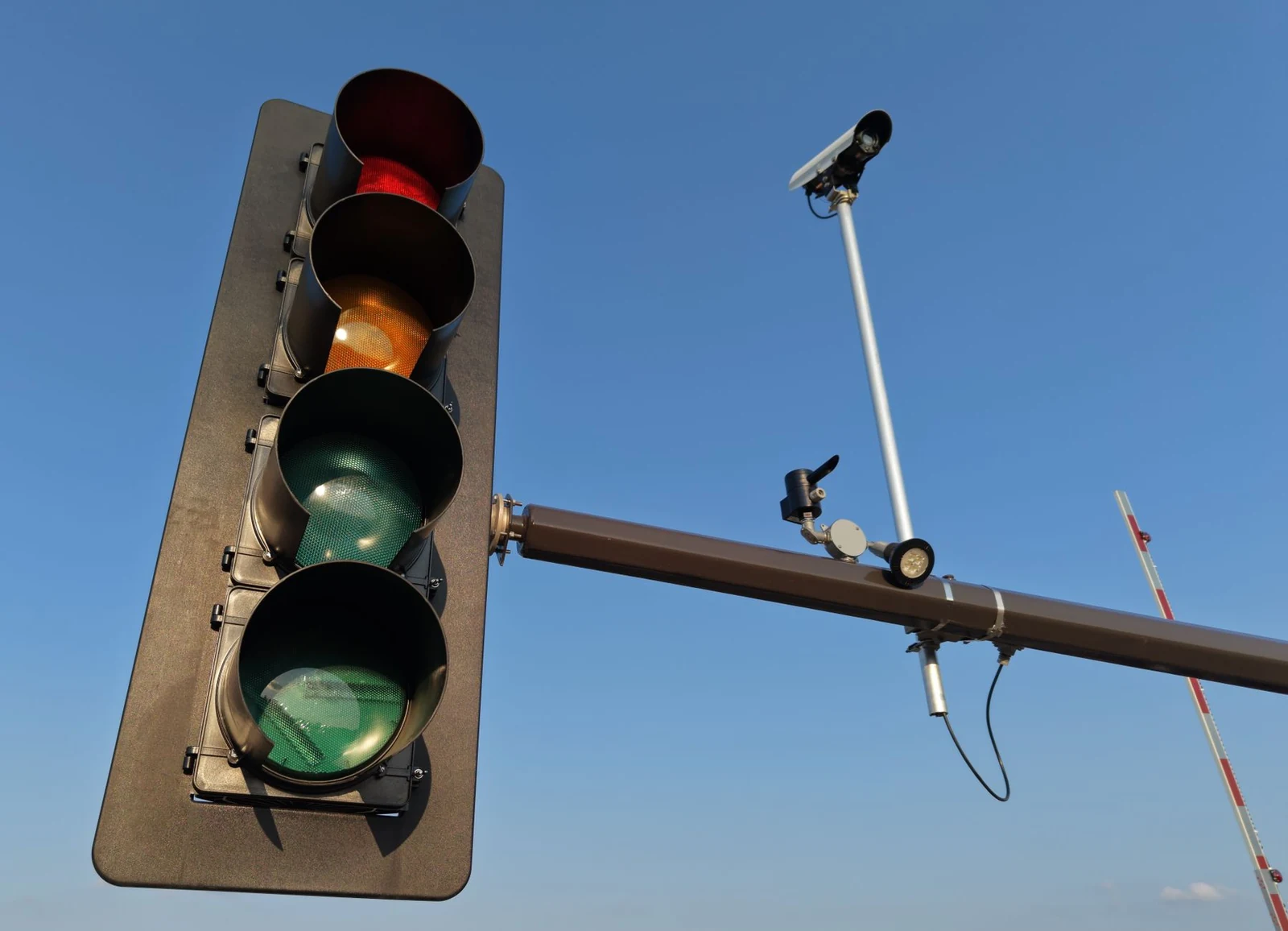
Specify a traffic-sensor API around observation time, lane identity, units, quality, replay and versioning, with an example event contract.

Monitor traffic video analytics for seasonal, camera and model changes using stratified checks, frozen references and controlled updates.

Separate sampling, aggregation and upload intervals in structural monitoring, with examples of aliasing and event detection delay.
Content hierarchy
Categories keep the editorial library navigable as it grows. Each article links to its parent product category, relevant solution architecture and supporting resources.
System architecture, sensing, interfaces and acceptance methods.
Selection frameworks that turn datasheet claims into testable requirements.
Field workflows, alarms, evidence and human decision-making.
Current policy signals and their practical implications for procurement.
Transaction due diligence, classification and documentation workflows.
Use the guides to frame the operating problem, then send us the mission, site and destination for a traceable equipment review.
Discuss your requirements