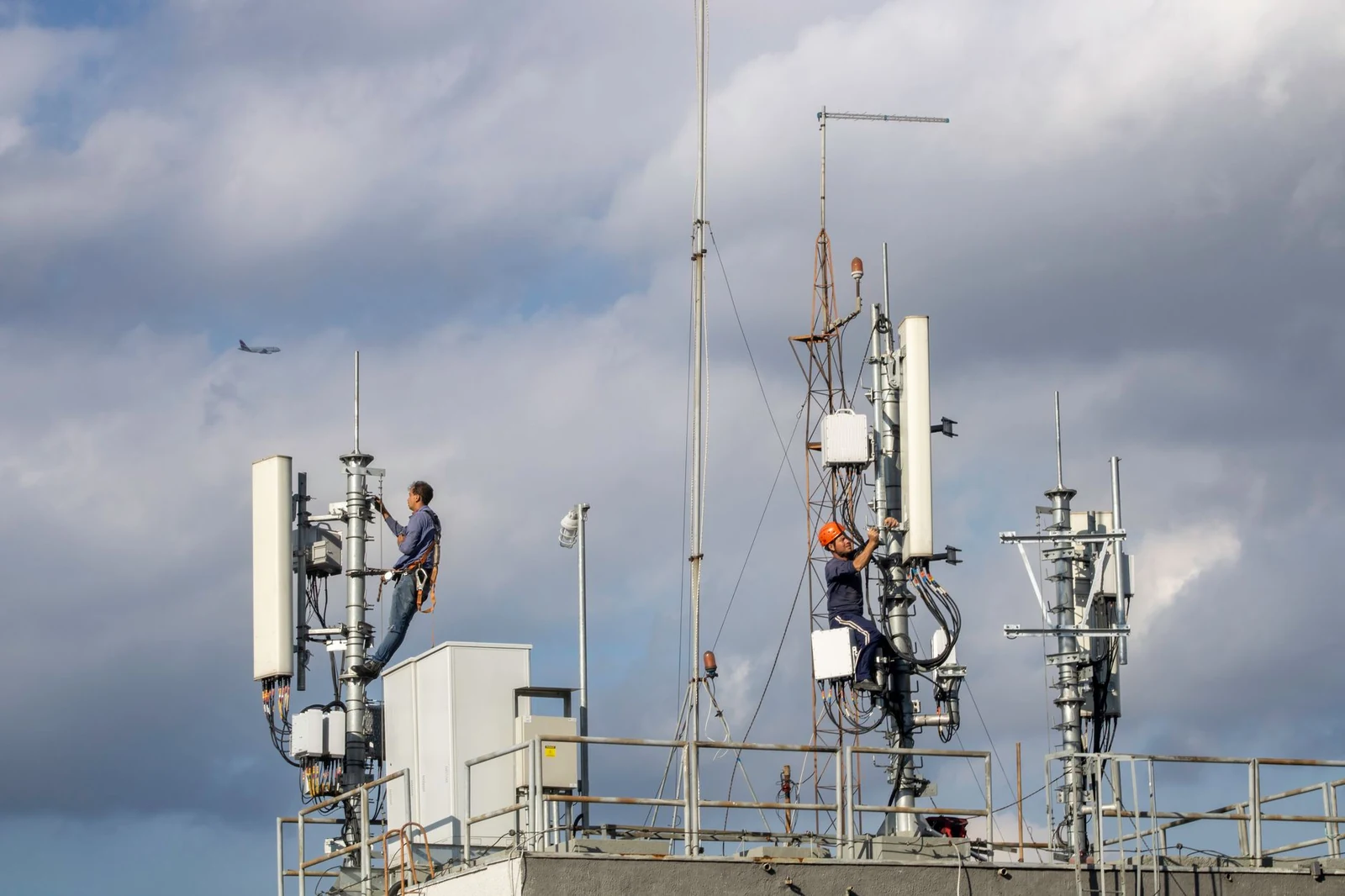
Counter drone system maintenance should be contracted by function: define which functions are available, how degraded service is counted and who restores each dependency. Server uptime alone can conceal a failed sensor, lost camera handoff or unusable event export. Buy support for the operating chain, with separate measures for each critical function.
Table of Contents
Define availability in operational terms
A running server is not the same as a functioning detection service. The platform may accept logins while a sensor is disconnected. A sensor can report tracks while its camera interface is broken. An event can appear on screen without being retained.
CISA’s critical-infrastructure UAS guidance announcement places UAS considerations within existing security and emergency-response plans. A maintenance contract should serve that operating plan: what can personnel still do when one part fails?
Start with the mission functions in the counter-UAS category, then assign a status and recovery owner to each. The system cost guide covers initial installed scope; maintenance needs a more specific allocation of recurring responsibilities.
Count degraded service explicitly
An illustrative service model can use three states: available, degraded and unavailable. The definitions should be functional. “Degraded” must identify the missing capability and the interim operating procedure.
| Function | Example failure | Contract boundary |
|---|---|---|
| Sensor observation | Missing or invalid output | Sensor, power, network and configuration owners |
| Track presentation | Data received but not displayed correctly | Platform and connector support |
| Visual verification | Camera cue or video unavailable | Camera, transport and integration support |
| Event retention | Records incomplete or inaccessible | Storage, database and backup ownership |
| Operator access | Required users cannot authenticate | Identity and account administration |
For a purely illustrative 30-day month, 99.5% availability permits 3.6 hours of unavailability if the full 720 hours are in scope. That percentage says little until exclusions, scheduled maintenance and partial failures are defined. The example is arithmetic, not a recommended service target.
Keep incident detection time, acknowledgement time, restoration time and final repair time separate. A helpdesk can acknowledge quickly without restoring a lost function.
Measure the function, not the box
A practical monthly report can list each function, its required state, the minutes in a degraded state and the restoration evidence. If the camera interface was unavailable for two hours while the platform stayed online, the report should show a verification failure, not 100% uptime. That record also supports a fair credit calculation and a targeted maintenance change.
Price the means of restoration
A credible restoration plan identifies spares, technician access, configuration backups, software entitlement and test equipment. A spare sensor in a distant warehouse may have little value for a short restoration objective.
Distinguish remote diagnosis from site attendance. Define travel coverage, access windows and responsibilities for third-party power or telecommunications. Avoid a gap where the equipment supplier excludes the network and the network supplier excludes every application symptom.
For critical infrastructure protection, record which degraded states require an operational adjustment. The equipment supplier should not independently decide that a missing capability is acceptable to the site’s security plan.
Maintain the accepted configuration
Software, threat libraries and interfaces change over time. The contract should identify the supported baseline, notice periods, rollback arrangements and the regression scenarios affected by a change. A subscription renewal is not automatically an integration test. Use the existing false-alarm evaluation method when a change affects alarm behavior, and targeted functional checks for replacement components.
At renewal, compare the incident and restoration record against the agreed functions. Store recovery instructions and configuration exports with the technical resources used by the operating team, so the review starts from evidence rather than a vendor summary. The result should show whether the service needs different spares, clearer ownership or a revised response commitment.
FAQs
Should all downtime use the same service-level clock?
Not necessarily. The contract can track detection, verification and recording separately, provided the definitions and exclusions are explicit. This exposes partial failures that a single server-uptime number can hide.
Does a spare sensor guarantee fast restoration?
No. A spare also needs compatible firmware, configuration, mounting, access and an assigned technician. Restoration time includes installation and functional verification.
Should software updates be included in maintenance?
The contract should state which updates, licenses and regression work are included. It should also define change notification, rollback arrangements and responsibility for connector compatibility.
Can a maintenance contract transfer responsibility for the network?
It can assign a boundary, but the site still needs a single owner for cross-supplier faults. Define who investigates a symptom that could originate in the sensor, network or platform before the incident.