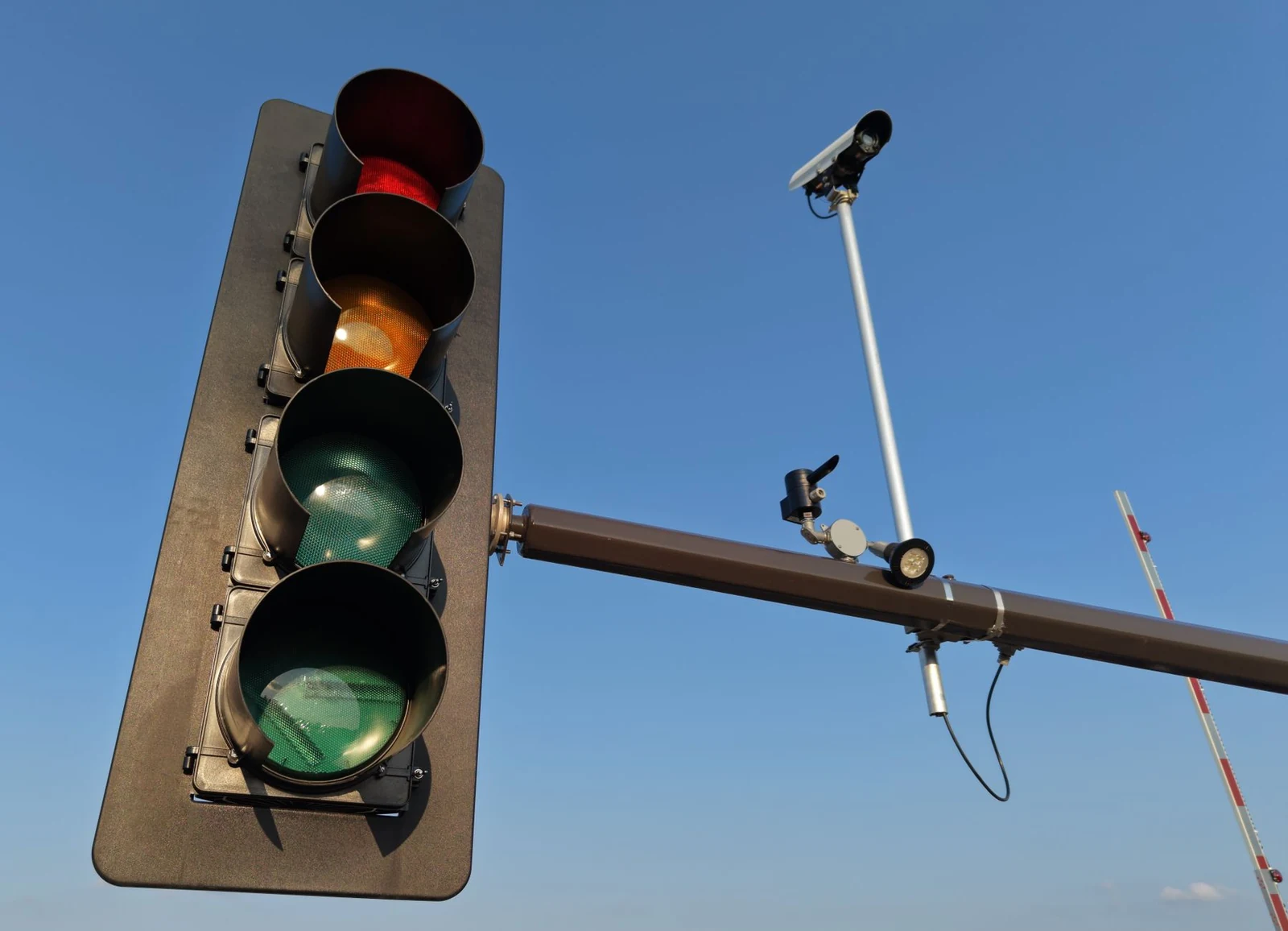
Traffic detector installation cost is not just the sensor price. Civil work, safe access, power, communications and commissioning can change the comparison more than a difference between sensor quotations. Ask suppliers to price the same site boundary before ranking bids.
Table of Contents
Price a location, not a box
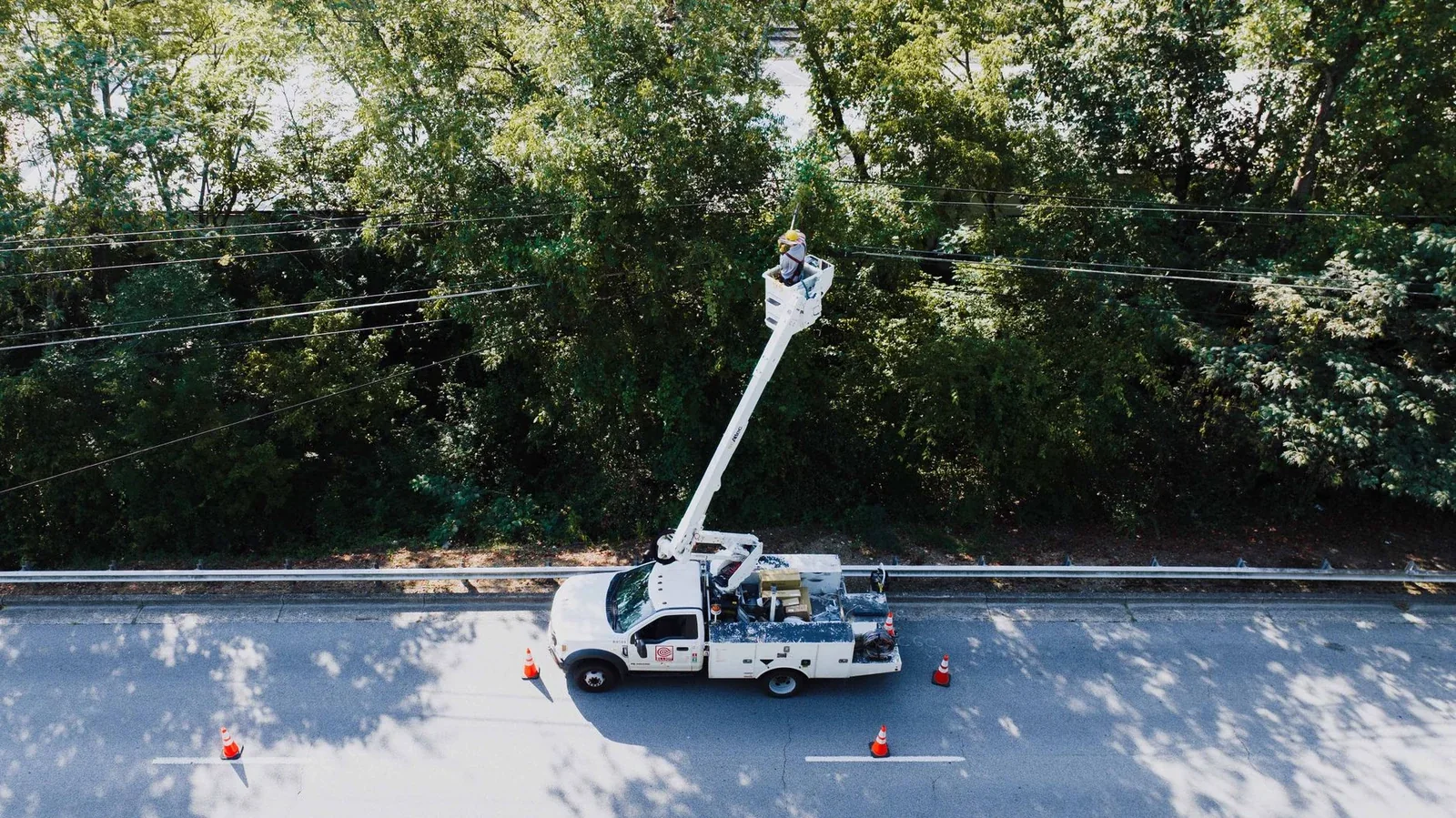
A roadside installation depends on lane geometry, available mounting, sight lines, utilities and safe maintenance access. Two identical sensors can therefore have different installed costs at two intersections.
The FHWA Traffic Detector Handbook, Volume II treats design, installation and maintenance as connected parts of traffic sensing. It is a technical reference from 2006, not a source for current prices or a mandatory project specification.
Use its lifecycle perspective while obtaining current quotations for the actual site. The traffic radar selection guide addresses capability; this budget framework addresses who supplies the installation and what the price includes.
Build a site-scope ledger
| Budget line | Define in the request | Common comparison error |
|---|---|---|
| Sensor and accessories | Model, mount and required interfaces | Bare sensor compared with complete kit |
| Mounting infrastructure | Existing structure or new installation | Reuse assumed without a design assessment |
| Power | Supply, protection and cabinet work | Utility connection omitted |
| Communications | Network equipment and recurring service | Installation price excludes connectivity |
| Traffic management and access | Safe work arrangements and permits | Road access treated as cost-free |
| Configuration and commissioning | Lane zones, interfaces and truth sample | Acceptance work left to the buyer |
| Ongoing service | Cleaning, inspection, licenses and repair | First-year offer compared with lifecycle cost |
The ledger should identify exclusions as well as totals. A bid with fewer included responsibilities is not necessarily a more efficient design.
Use a transparent comparison example
| Cost line | Offer A | Offer B |
|---|---|---|
| Equipment | $8,000 | $10,000 |
| Site work | $6,000 | $3,000 |
| Commissioning | $2,000 | $1,500 |
| Installed total | $16,000 | $14,500 |
| Five-year service | $2,500 | $6,000 |
| Five-year total | $18,500 | $20,500 |
The example does not describe market prices. It shows why ranking the $8,000 and $10,000 equipment lines alone reverses the apparent order. The lower total remains meaningful only if the site and output scope match. State the analysis horizon and financial assumptions explicitly.
Add the site work the quote leaves out
Ask each bidder to price the same exclusions: power connection, cabinet, pole or foundation, communications, permits, traffic management, commissioning and first-year service. If one offer assumes an existing pole and service drop while the other includes them, the equipment price difference is not the real difference. A scope ledger that shows exclusions is more useful than a single installed total.
Commission the output the road operator needs
A functioning network connection does not establish correct counts, lanes or detection zones. The zone-design guide and calibration workflow define different parts of commissioning.
Attach the required outputs to the quote: passage counts, presence, classification or another specified measurement. Include representative traffic and environmental conditions, plus responsibility for correcting configuration errors. Define the output contract before commissioning; the traffic sensor API guide covers missing, duplicate and late records that affect the accepted result.
For a smart-city transportation project, an inexpensive proprietary output can create later integration cost. Define data access, retained history and support for the receiving platform before accepting a low hardware price.
Compare the traffic sensing configurations on one installed and supported basis. The useful budget is the cost of an accepted working location over its intended service period. Keep the site drawing, scope ledger and acceptance deliverables in the technical resources so the next site can be priced the same way.
FAQs
Is a radar detector installation price for a car relevant?
No. Vehicle-mounted radar detectors and roadside traffic-flow sensors are different products and installation tasks. A road project needs a site-specific infrastructure and commissioning budget.
Can an existing pole always be reused?
No. Structural suitability, mounting geometry, access, ownership, electrical services and the required sensor view must be assessed. Reuse is a design decision rather than an automatic saving.
Should calibration be a separate line in the quotation?
It should be visible either as a separate item or a clearly defined included service. The scope needs the configuration, reference observations, acceptance criteria and correction work.
What should commissioning include?
Lane and zone configuration, interface mapping, a time-synchronized reference sample, checks across representative traffic and lighting, correction of configuration errors, and a signed record of the accepted outputs. A network connection alone is not commissioning.
Should the bid include spare parts and first-year service?
Make spare parts, first-year service, licenses and a replacement path visible in both bids. A low installation total that excludes them shifts cost into the operating budget.