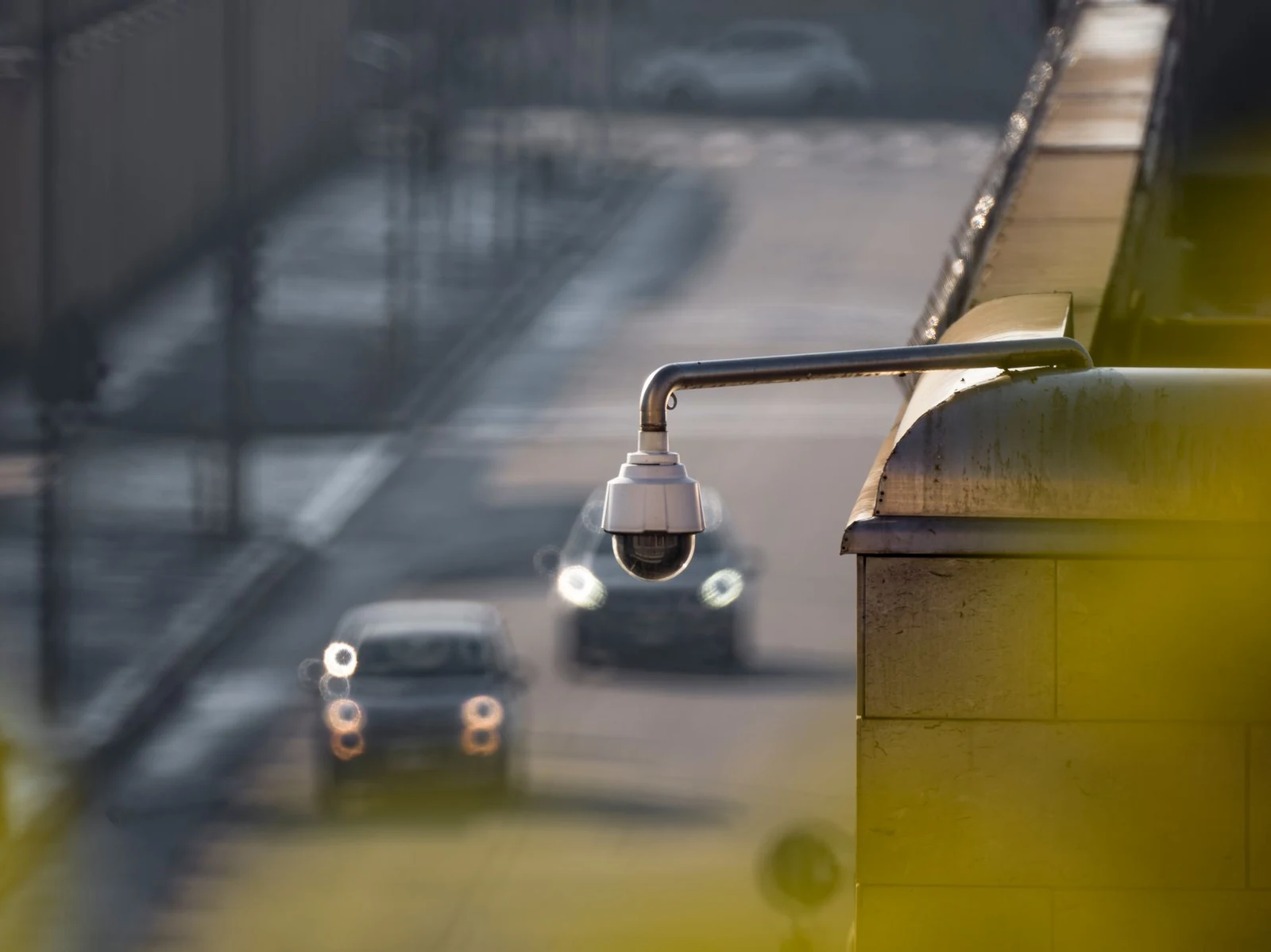
Traffic video analytics can become less reliable when the scene, camera or traffic mix changes, even if the software continues running. Monitor error by condition and movement instead of relying only on total counts. Separate scene change, data-pipeline faults and model changes before deciding to retrain or replace the system.
Table of Contents
Treat the installed scene as part of the system
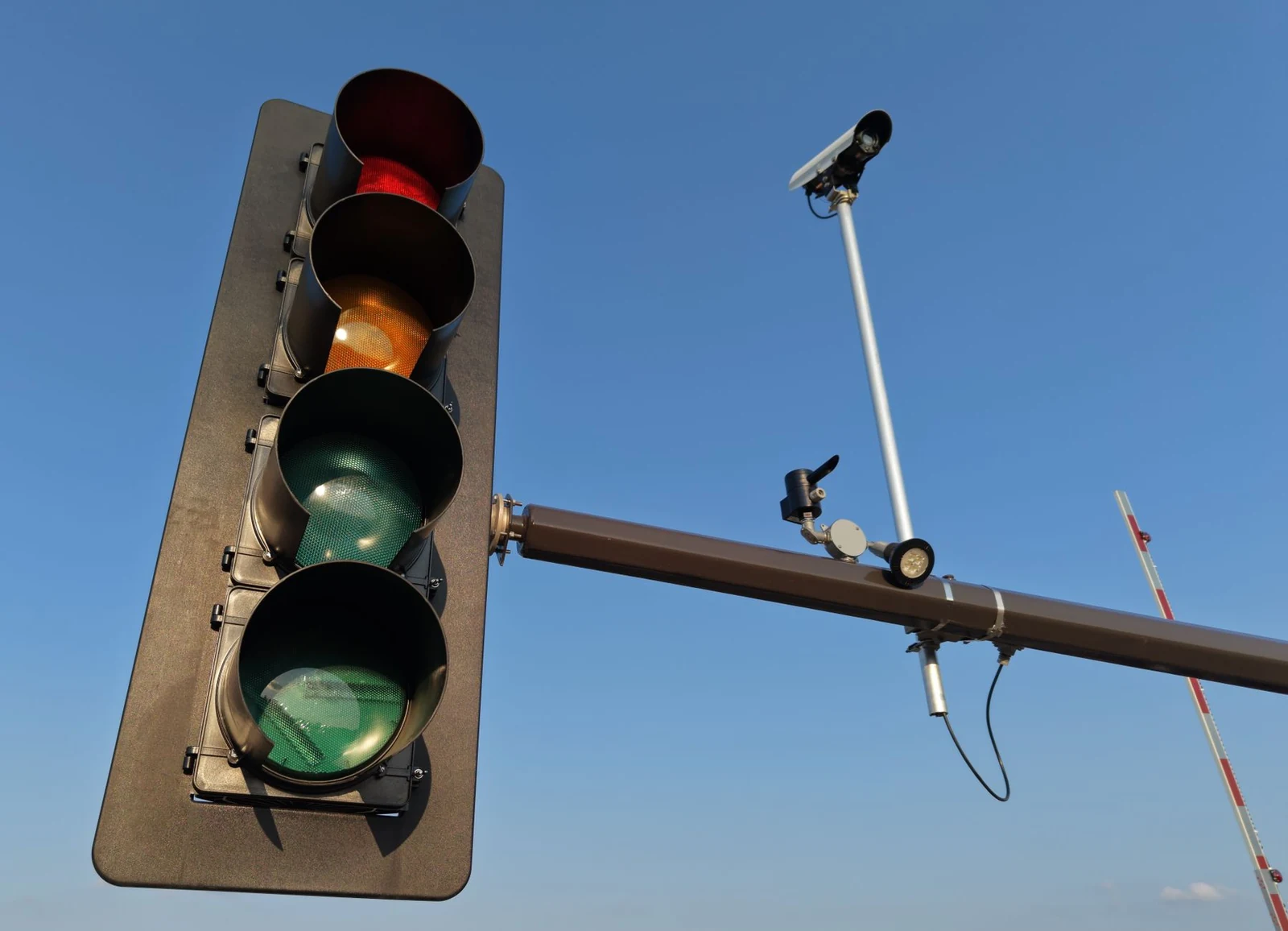
A camera can remain online while its view deteriorates. Dirt, glare, new road markings, construction barriers or a shifted mount can change the input to an otherwise unchanged algorithm.
The FHWA detector handbook identifies environmental, occlusion and viewing limitations for video detection. Modern algorithms differ from the systems described in that 2006 reference, but the need to observe the actual image remains.
For a traffic sensing project, retain a commissioning snapshot of the view, lane geometry and software configuration. Without that baseline, a gradual change can be mistaken for ordinary variability.
A current AI signal with a practical consequence
NIST’s AI Risk Management Framework page records an April 7, 2026 concept note for an AI profile focused on critical infrastructure. A concept note is not a certification requirement. Its practical relevance is the growing need to manage AI-enabled systems through operation, not only at purchase.
For roadside analytics, that means assigning someone to notice when outputs become less trustworthy and defining how the system is corrected. A contract for “AI accuracy” at installation does not answer who owns later scene changes or model updates.
Use a stratified observation plan
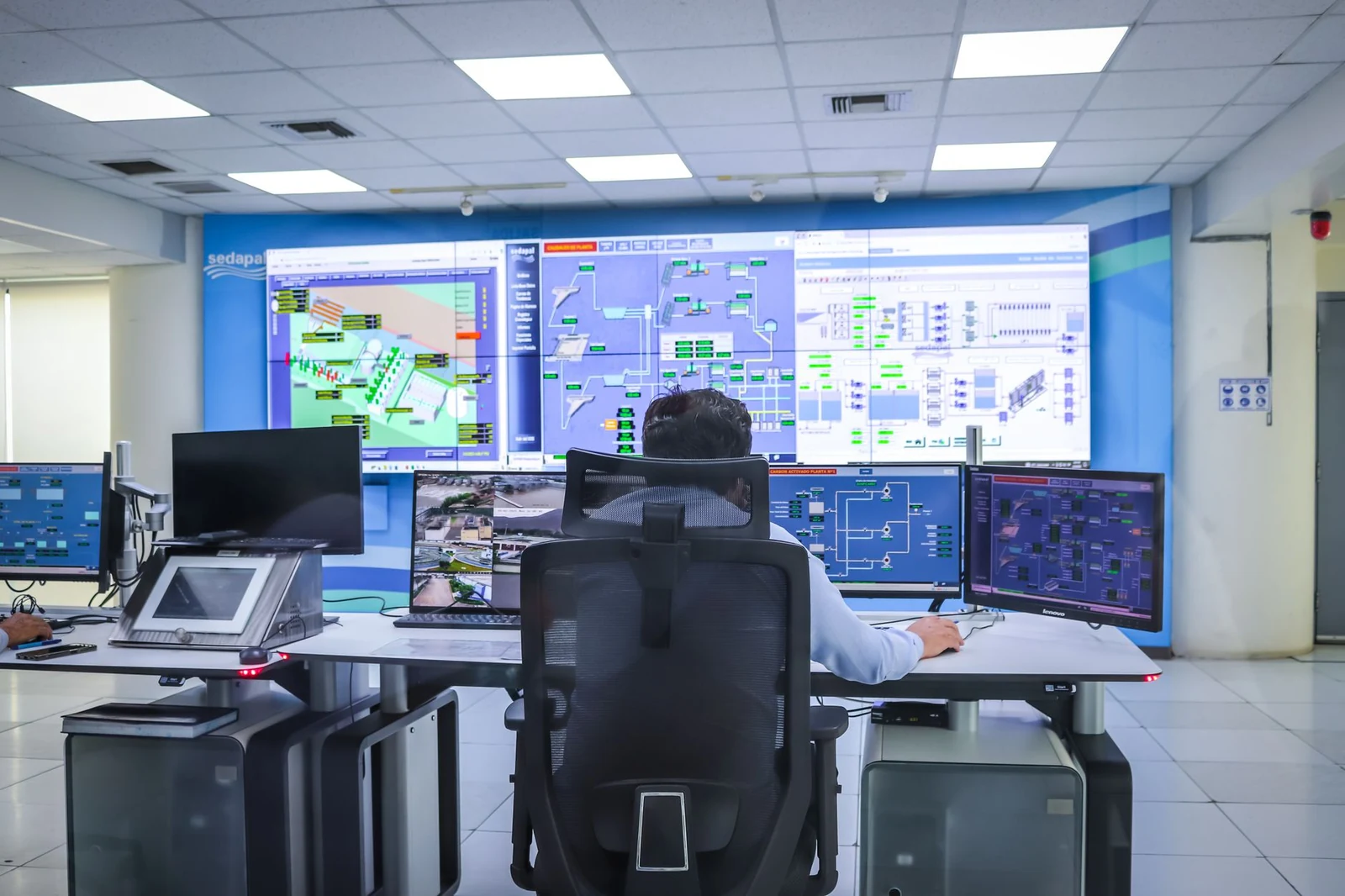
A daily total can look plausible while one turning movement or vehicle class is consistently wrong. Compare output against independent observations in conditions that expose different failure modes.
| Slice of operation | Change to watch | Useful comparison |
|---|---|---|
| Day and night | Lighting, glare and contrast | Counts or events against labeled samples |
| Weather and season | Rain, fog, snow or foliage | Error within each condition |
| Vehicle class | New mix or partial occlusion | Per-class confusion, not only overall accuracy |
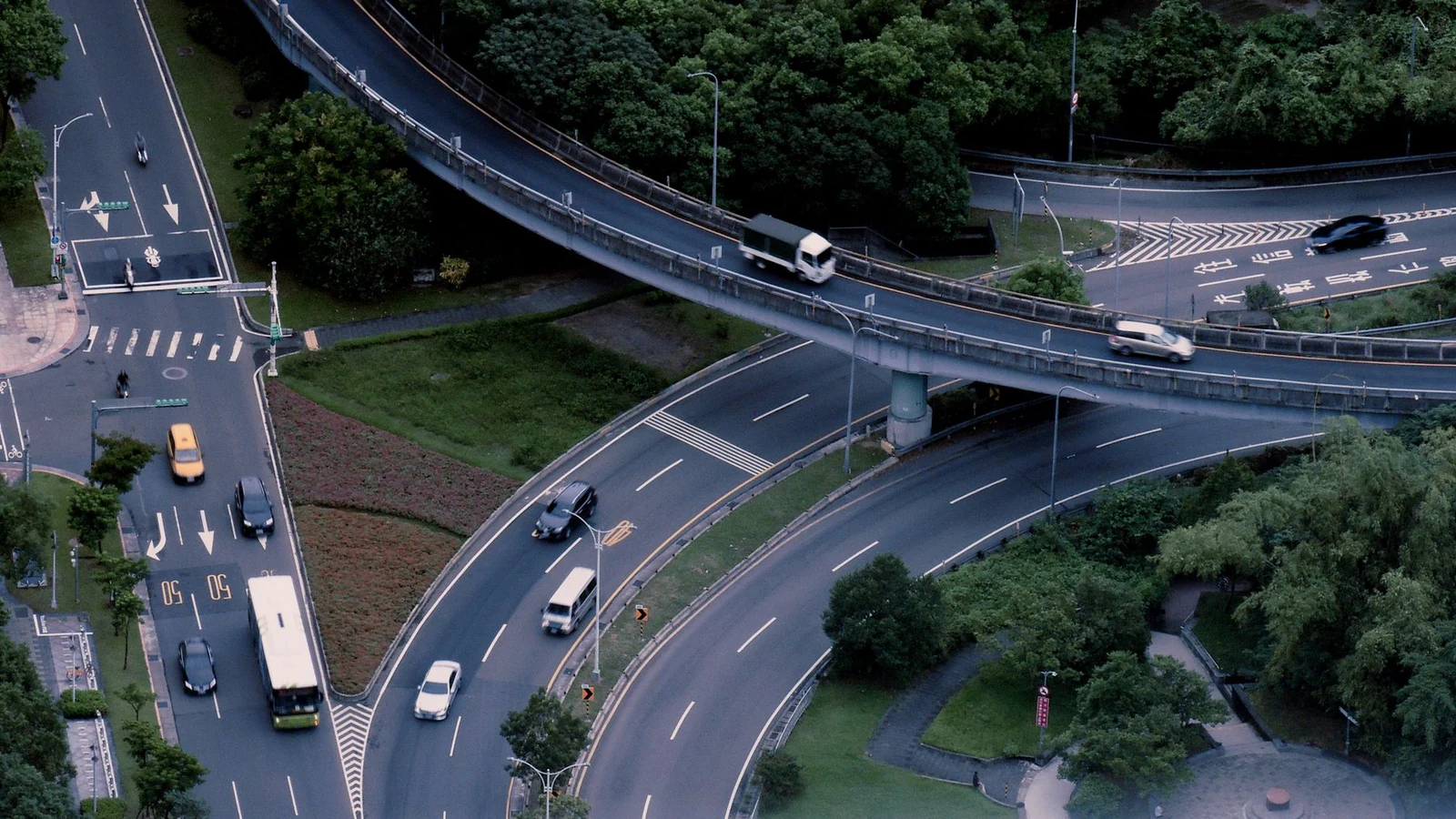
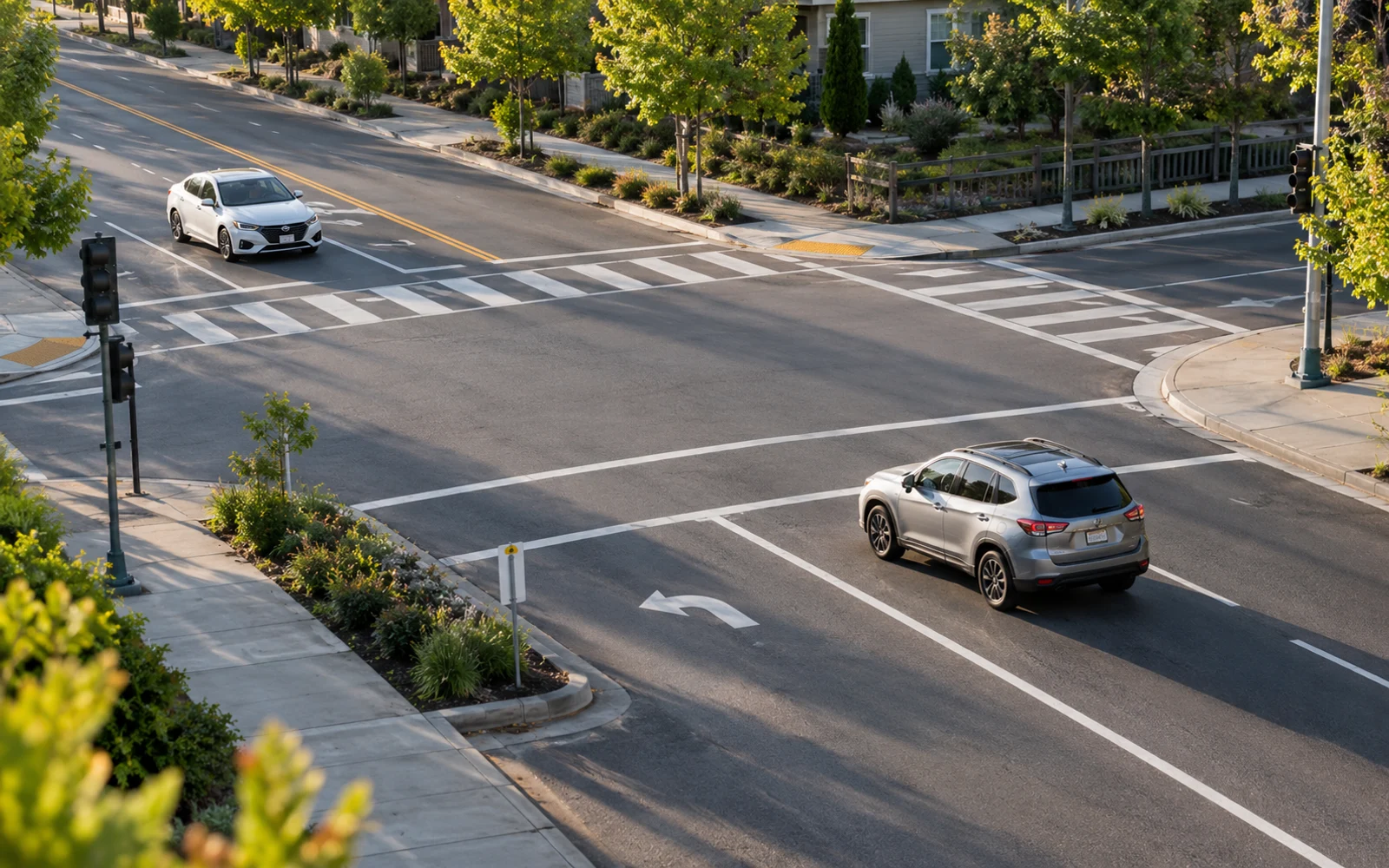
| Lane and movement | Changed geometry or road works | Movement-level counts |
| Camera condition | Shift, dirt or obstruction | View inspection and reference image |
| Software version | Model or threshold change | Same test data plus new field samples |
The classification accuracy guide explains class-level evaluation. Use the data-quality guide to rule out missing or duplicated records before blaming the visual model. Missing and duplicate semantics belong to the data contract; the traffic sensor API guide shows how to keep those states distinct before the analytics layer.
A practical review can compare one hour of counted video per condition with an independent manual count. If the total is within the project’s tolerance but one turning movement is 20% low, the aggregate result hides the failure. Report error by movement and class, and keep the sample dates so a later review does not compare different traffic conditions.
Separate drift detection from the remedy
A performance change can lead to cleaning, remounting, zone adjustment, software rollback, additional training data or a different sensing arrangement. The correct remedy follows the diagnosed cause.
Before a model update, preserve the previous version, configuration and reference results. Test the candidate on a frozen comparison set and a current field sample. A gain on the new condition should not conceal a loss on important existing conditions.
Do not train on the entire evaluation set and then report improved accuracy on that same data as independent validation. Keep the reference process independent enough to reveal generalization problems.
For smart-city operations, define a degraded state when data quality falls below the project’s agreed use criteria. The receiving application needs to know whether the data can still support planning, live control or neither.
A useful AI purchase provides a way to detect and correct changing performance throughout the service life, with the cost and owner of that work visible. Include version history, monitoring responsibility and rollback arrangements in the integration resources so the next review starts from a known baseline.
FAQs
Does a change in traffic volume prove model drift?
No. Traffic demand may really have changed. Compare sampled observations with an independent reference and inspect camera, scene and pipeline changes before attributing the difference to the model.
Can retraining fix a dirty lens?
Retraining is not the first remedy for an impaired image. Restore the camera view and configuration, then assess whether a remaining model-performance problem exists.
Should a model update be tested only on old footage?
No. Old footage provides a stable comparison, but recent representative conditions are also needed. Keep evaluation data separate from training and include conditions that have changed.
How large should a monitoring sample be?
Size it to the decision and the variability of the movement or class being checked. A small sample can detect a large failure but not a subtle one; state the smallest change the program needs to see and keep the sampling method consistent between reviews.