A counter-drone radar should be accepted against a declared target, route, altitude, speed, aspect, clutter, weather, configuration, and operator workflow. A distant screen detection in a favorable demonstration does not prove protected-volume coverage, track continuity, classification, camera cueing, false-alert behavior, or recovery from faults.
Table of Contents
Freeze the Claim and Delivered Configuration
State what the radar must contribute: initial detection, track initiation, protected-volume monitoring, boundary crossing, camera cueing, classification support, evidence retention, or another defined function. Separate these outputs. A successful detection does not automatically establish a stable track or a useful camera handoff.
Record radar hardware, antenna position and orientation, firmware, processing settings, classification library, exclusion zones, network, clock source, map, operator display, and integration version. Acceptance belongs to that installed configuration.
The FAA describes radar, RF, EO, and acoustic technologies as possible primary or secondary validation sources and cautions that detection systems do not determine intent or threat level. Keep that boundary visible in test reports and operator language.
Build a Target-and-Route Matrix From the Protected Volume
Start with site consequence and approach paths, then select authorized test targets that represent the contracted target classes. Record airframe, size or other permitted description, propulsion, payload state, command mode, and Remote ID or RF behavior relevant to the test.
| Test dimension | Required definition | Why it changes the result |
|---|---|---|
| Route | Coordinates, direction, altitude profile and boundaries | Exposes terrain, buildings and sector transitions |
| Target state | Exact aircraft, orientation, speed and maneuver | Radar return and track behavior vary by aspect and motion |
| Background | Birds, traffic, machinery, towers, weather and other aircraft | Creates clutter and ambiguous tracks |
| Output stage | Detection, track, class, zone alert, cue or evidence | Prevents one successful stage from standing in for the next |
| Truth | Independent time, position and target identity | Allows misses, latency and track errors to be measured |
Include radial, tangential, crossing, receding, low-altitude, sector-edge, clutter-adjacent, hover or slow movement where within the defined use case. Do not invent unsafe maneuvers merely to stress the system; use an approved flight and site safety plan.
Synchronize Ground Truth Before the First Flight
Use an approved independent position and identity record, plus event markers that align test control, radar output, camera video, RF events, and operator actions. Document clock offsets and coordinate transformations. A screenshot with a hand-written time is not sufficient for track-level analysis.
Define the scoring window, location tolerance, track association rule, allowable gaps, duplicate tracks, class labels, and treatment of unknown or corrupted truth. Preserve raw or highest-fidelity available outputs and the configuration needed to replay or audit results.
The FAA’s 2024 detection and mitigation ARC report discusses why testing complexity depends on technology and operational environment. A rural vendor range cannot replace an in-situ test at an airport, port, industrial site, or dense urban perimeter.
Score the Chain, Not a Single Headline Number
Report probability or rate measures only with their target, sector, condition, truth set, and sample count. Useful measures include detection by route segment, track initiation distance, continuity, latency, position or cue error, duplicate or swapped tracks, class confusion, zone-alert timing, evidence completeness, and operator acknowledgment.
Evaluate the radar-to-camera handoff as a separate interface. A numerically correct radar position may still produce an unusable camera cue if coordinate frames, terrain elevation, clock, slew limits, field of view, or track updates are mismatched.
Run the companion false-alarm test over long no-target periods. Short target flights cannot characterize nuisance workload or expose whether a tuned system creates tracks from recurring site activity.
Inject Faults and Observe Recovery
Safely interrupt power, network, clock, data feed, camera interface, and selected sensor functions. Move only through approved maintenance procedures. Confirm that the system exposes degraded coverage, stale tracks, delayed data, reference problems, and failed evidence export instead of continuing to display an apparently healthy picture.
Verify configuration backup, restore, audit log, alarm routing, buffered data, duplicate-event handling, and operator recovery steps. Retest representative routes after recovery. A reboot that restores a screen but changes zones or filters is not a successful recovery.
Deliver a Sector-Based Acceptance Record
Report results by protected sector and target condition, including untested or failed cells. Retain site drawings, antenna coordinates, line-of-sight assumptions, settings, target records, authorizations, truth, raw exports, calculation method, operator logs, weather, exceptions, and approved operating envelope.
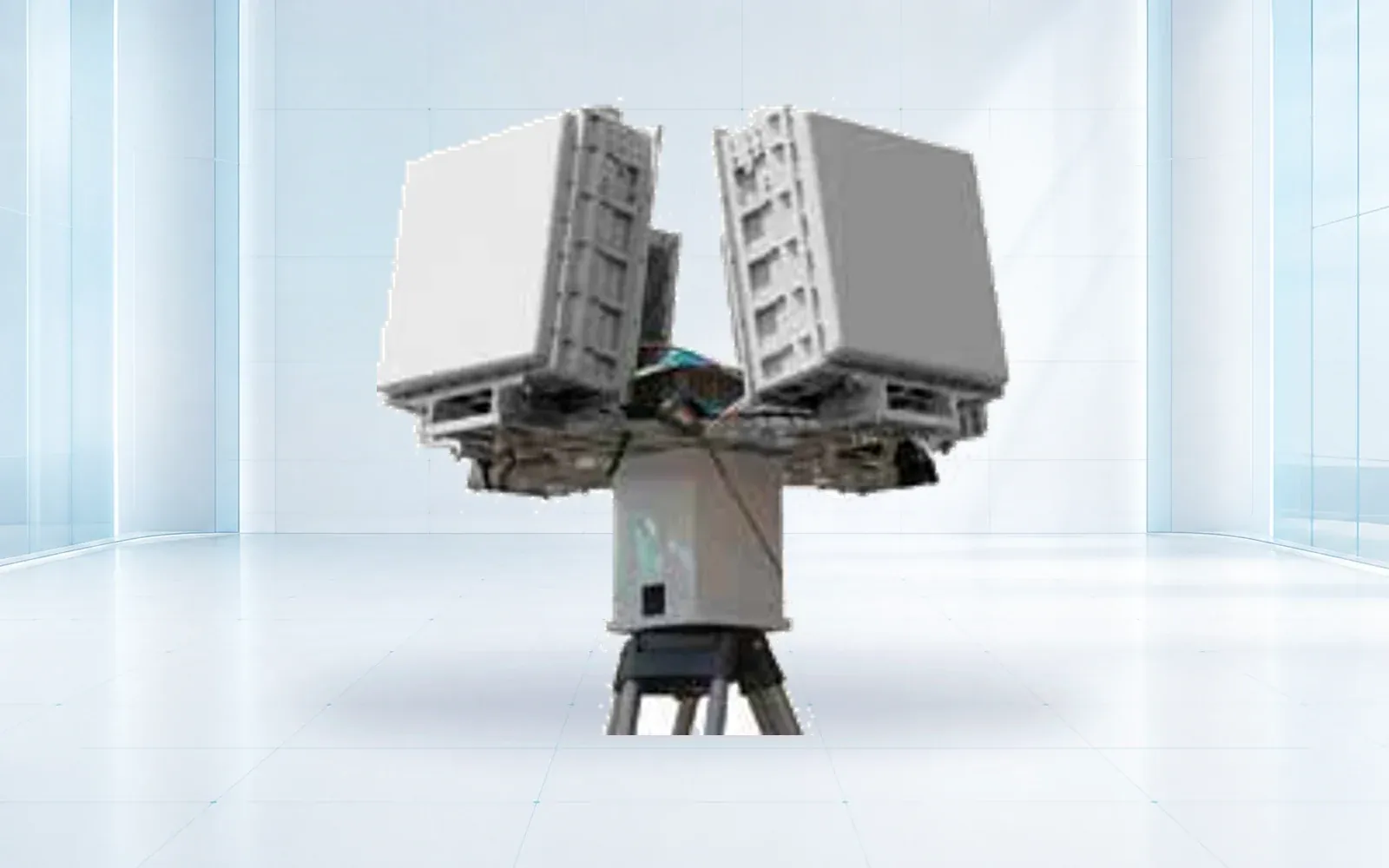
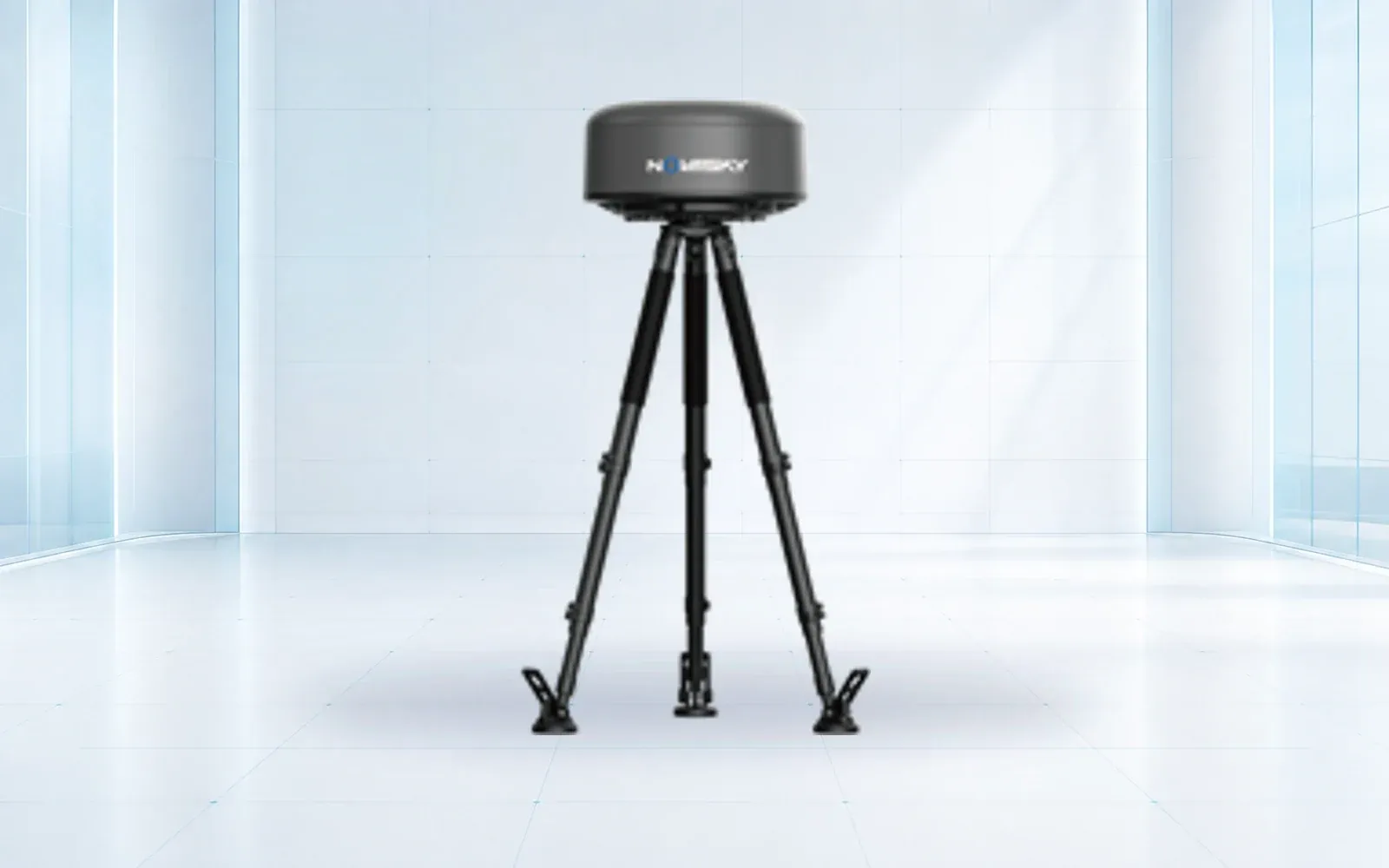
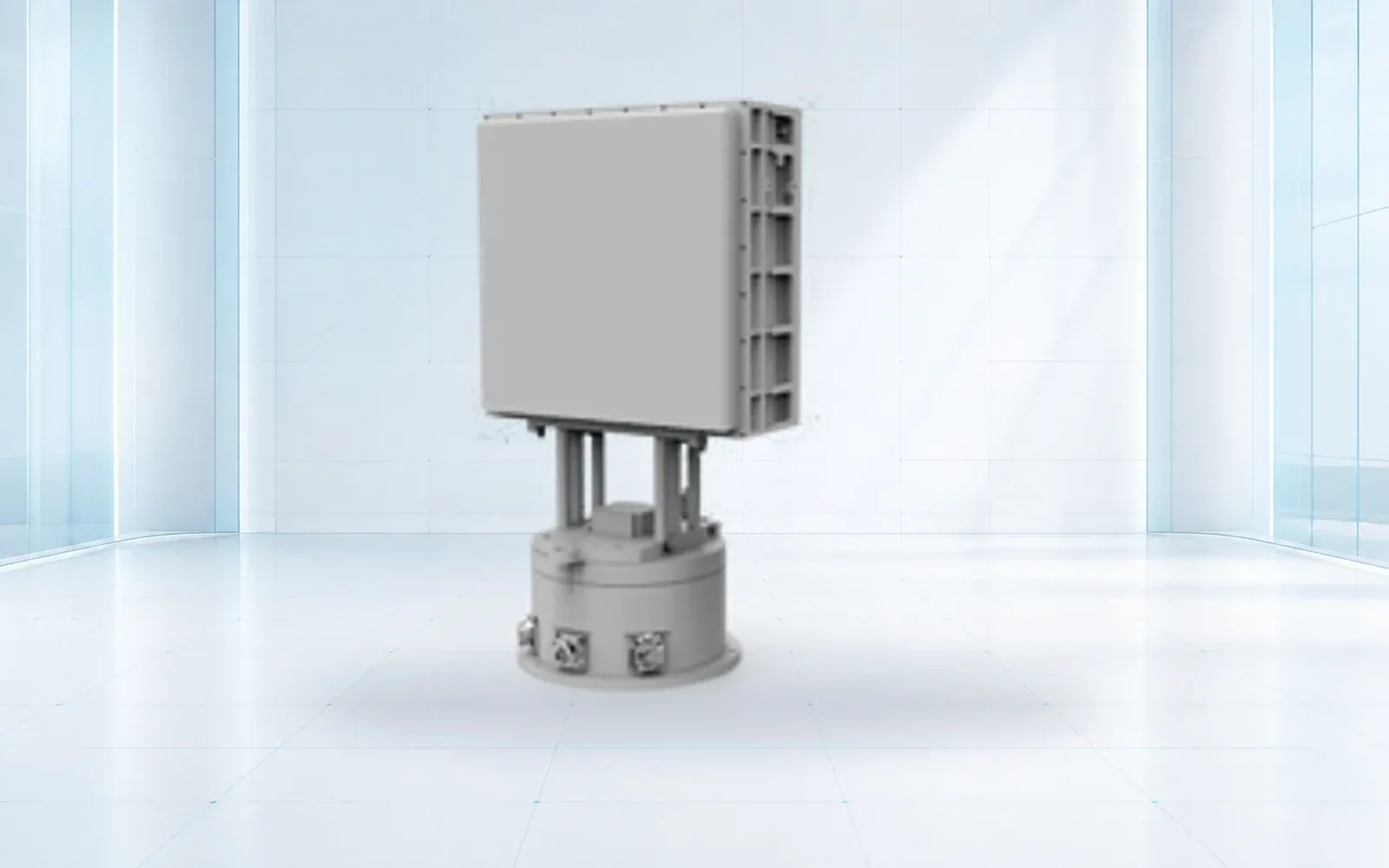
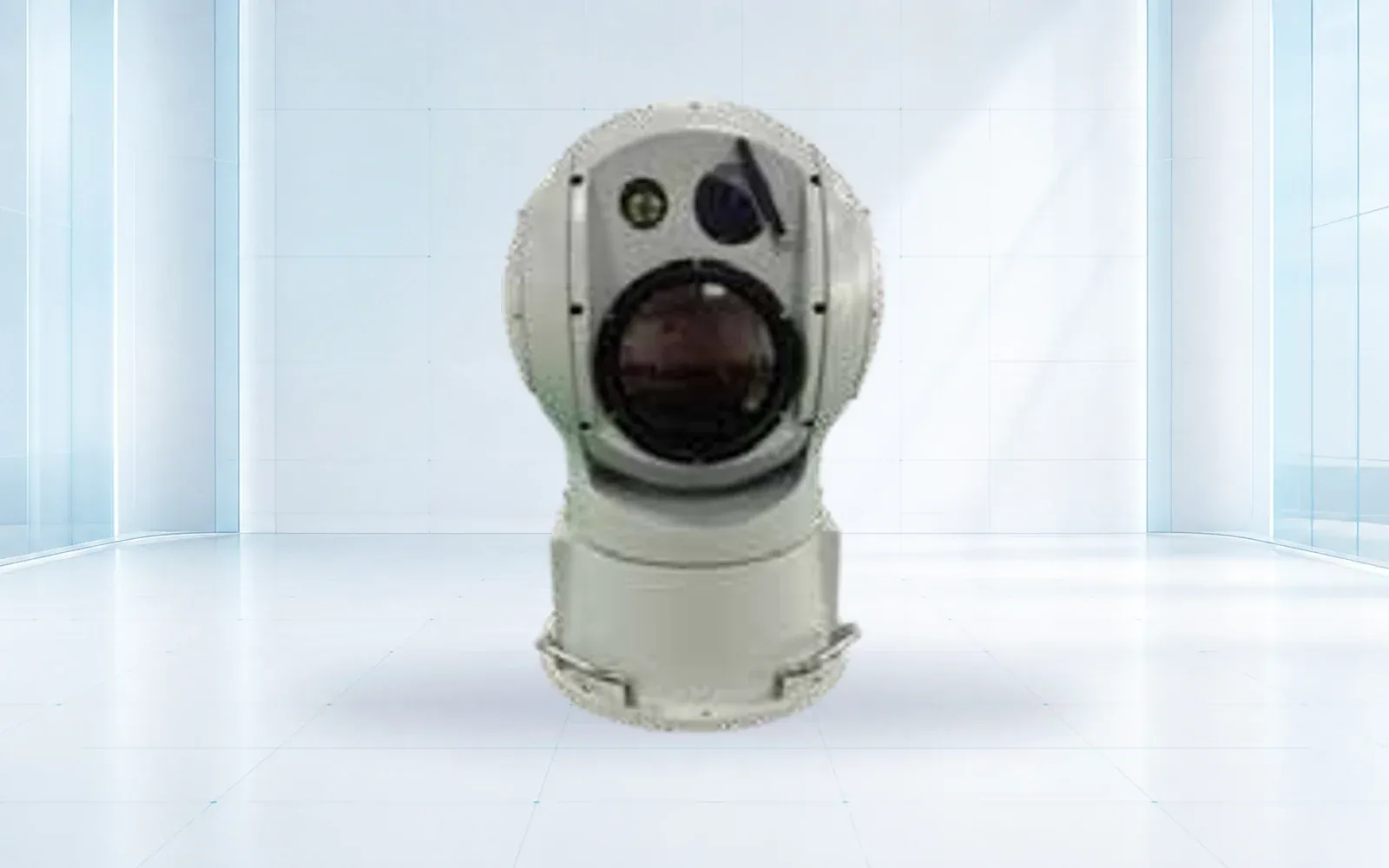
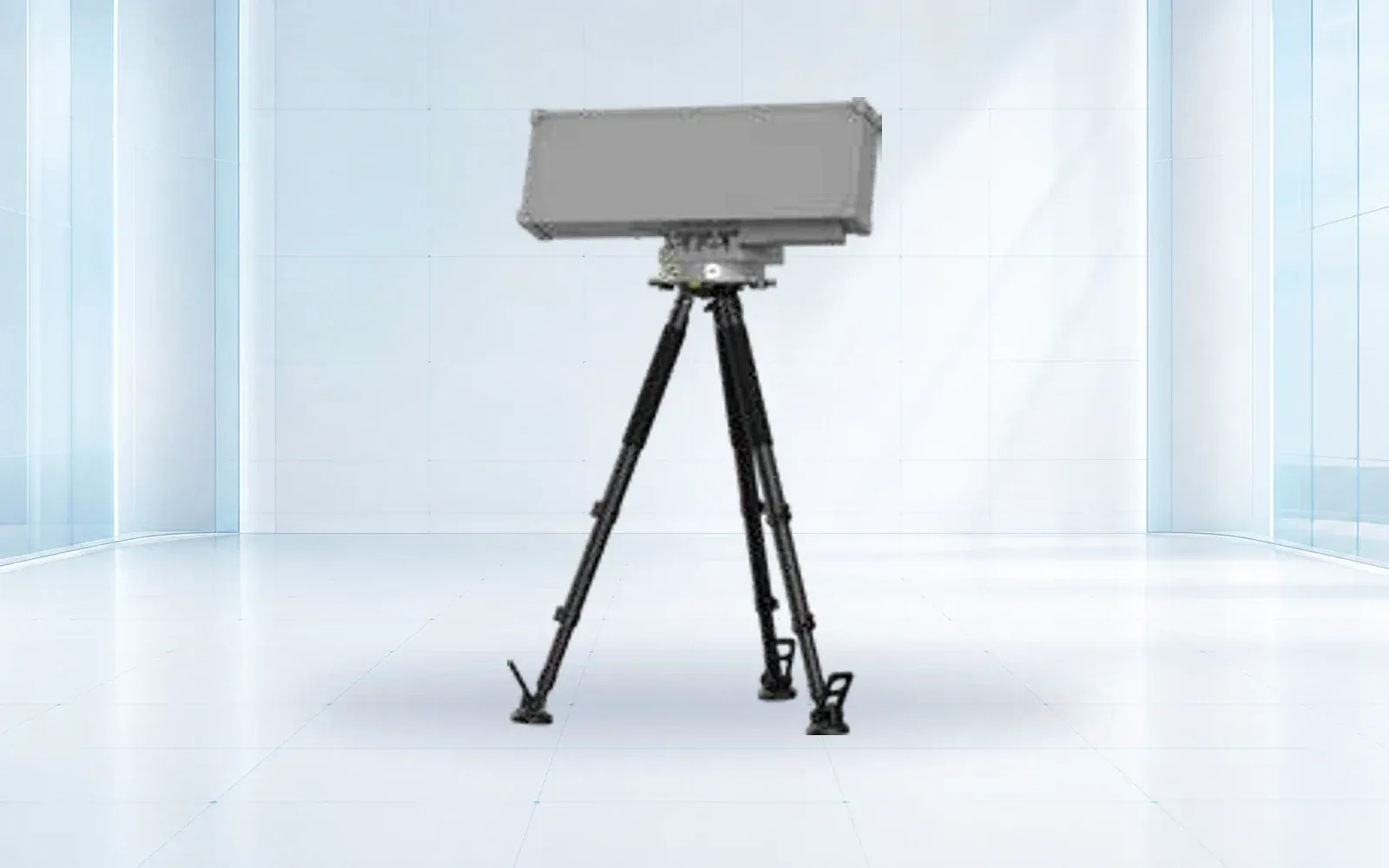
The NI-R5000 radar, NI-SR3000 array radar, and NI-C3000 EO tracking system are candidate components whose exact offered configurations require this evidence. Use the counter-UAS portfolio, critical-infrastructure solution, and resource center to structure the procurement and test record.
FAQs
What is the difference between detecting and tracking a drone?
Detection is an observation associated with a possible target; tracking maintains a usable identity and state over time. An alert, classification, camera cue, and operator decision require additional tested behavior.
How should counter-drone radar range be acceptance-tested?
Define the exact target and configuration, fly surveyed routes at agreed altitudes, speeds and aspects, synchronize independent truth, record clutter and weather, and score detection and track continuity by sector.
Should an acceptance test include flights with no target drone?
Yes. Long no-target periods are necessary to measure nuisance workload, clutter behavior, health alarms, track creation, and whether tuning for fewer alerts also removes required targets.
Does radar detection prove that a drone is hostile?
No. Radar can contribute physical target and track evidence, but detection technology does not determine intent or legal authority for a response. The operational process must handle verification and escalation.