Counter-UAS testing often concentrates on scheduled drone flights and gives too little time to ordinary airspace, birds, vehicles, machinery, weather, radio activity, maintenance, and system faults. A usable false-alarm evaluation defines each event stage, collects synchronized truth, records exposure, and protects against tuning the required targets away.
Table of Contents
Define the Event Stage Before Counting Errors
A raw threshold crossing is not the same as a radar track, an RF protocol match, a fused object, a drone classification, a zone alert, or an operator-confirmed incident. Define each stage and its identifiers, timestamps, persistence, confidence field, and relationship to the next stage.
Use terms such as false, nuisance, ambiguous, duplicate, stale, test, authorized, maintenance, and system-health alert only after the team agrees what they mean. A legitimate aircraft outside the protected volume may be a correct sensor detection but an operational nuisance if the system routes it to the wrong queue.
FAA guidance notes that detection technologies can be combined for primary and secondary validation, while the system itself does not determine intent. The truth and review process should therefore separate physical detection, classification, authorization status, and threat assessment.
Build Independent Truth and an Adjudication Queue
Collect sufficient truth to resolve the event types in scope: authorized flight logs, Remote ID where applicable, independent video or observation, air-traffic context available to the authorized team, weather, site activity, radio test schedules, machinery state, maintenance, and sensor health.
Do not force every unexplained event into “false.” Preserve an unresolved class with the data needed for later review. Use two reviewers or a documented escalation for ambiguous high-consequence events, and record the final label, evidence, and reason.
| Event class | Example evidence | Operational treatment | Test report field |
|---|---|---|---|
| Confirmed target | Authorized truth flight aligned to track | Score detection and workflow | Target ID and route segment |
| Correct non-drone | Bird, aircraft or vehicle verified by truth | Score classification or zone logic | Object class and site condition |
| Duplicate/stale | Two IDs for one target or track after truth ends | Score track management | Parent track and duration |
| System/maintenance | Reboot, clock loss or technician activity | Score health visibility separately | Change ticket and recovery |
| Unresolved | Evidence insufficient for a defensible label | Retain for risk review | Missing evidence and confidence |
Normalize by Exposure, Zone, and Operating State
A count of ten alerts has little meaning without exposure. Report time observed, sensor availability, protected-zone state, operator shift, weather, traffic, active work, configuration, and whether the system was in commissioning, tuned production, or degraded mode.
Calculate measures that the site can interpret: alerts per available sensor-hour, operator notifications per protected-zone hour, duplicate-track duration, review minutes per event, and events by source category. Keep target-present performance alongside false-alert measures so tuning cannot optimize one while damaging the other.
NIST’s work on false-alarm testing for detection systems shows the value of exposure, statistical uncertainty, and explicit producer/consumer risk. Its radiation-detector thresholds do not transfer to counter-UAS; borrow the test discipline, not the numbers.
Design Quiet-Time Soak Periods Around Real Clutter
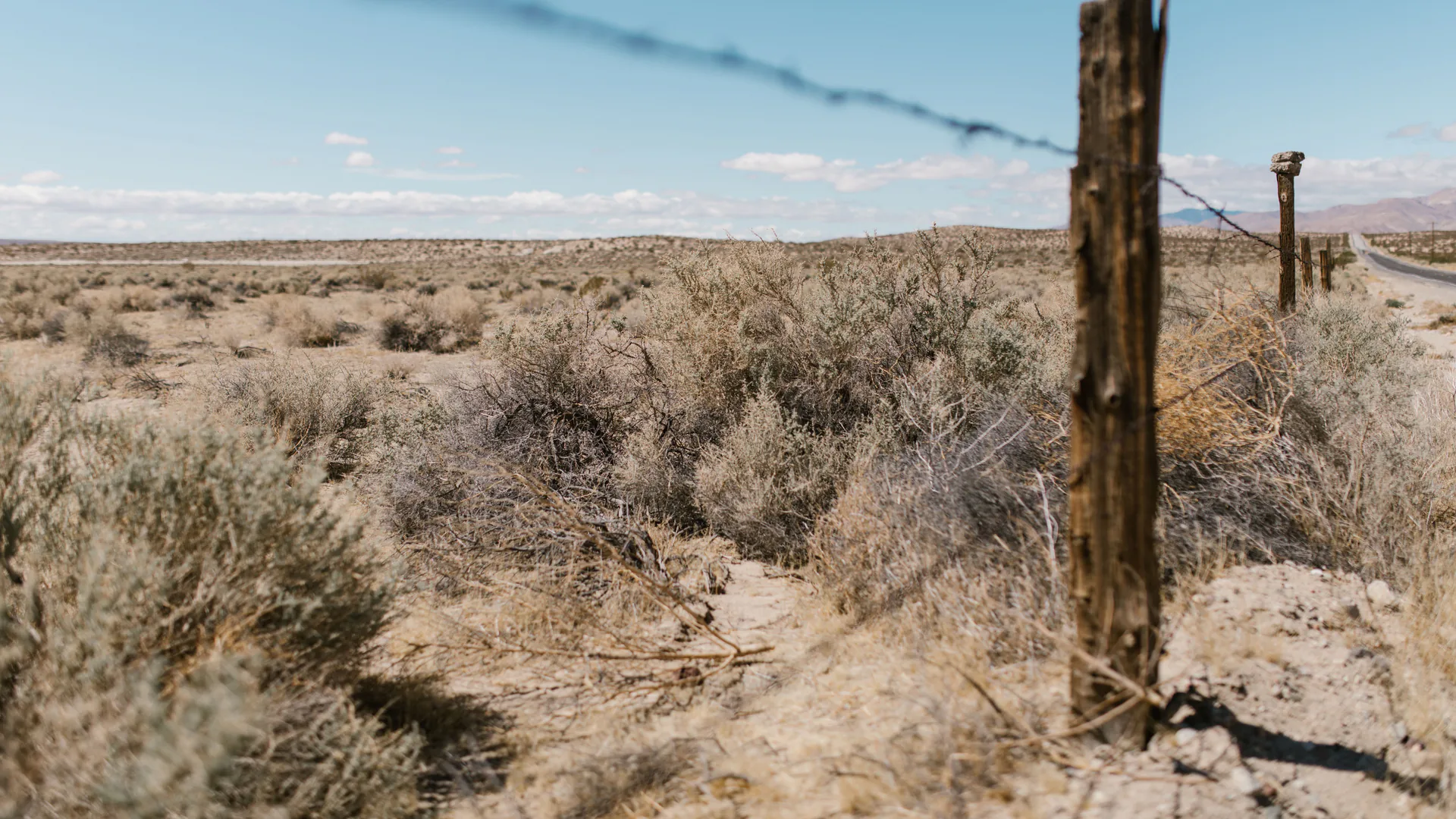
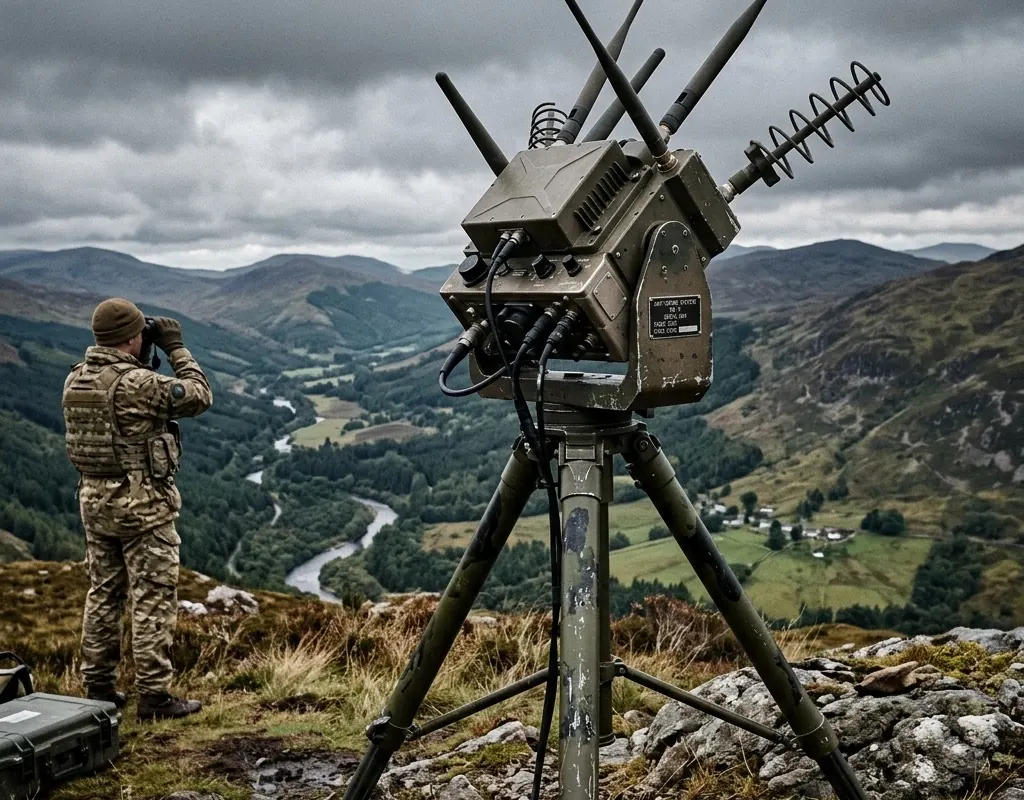
Schedule long periods with no authorized target flight while normal site activity continues. Include dawn and dusk bird activity, road traffic, cranes or rotating equipment, precipitation and wind within the operating envelope, ordinary RF activity, shift changes, maintenance, and nearby authorized aircraft where lawfully observable.
Map recurring sources to sector and time. A system may look quiet during a midday demonstration and overload operators during morning bird movement or a scheduled industrial process. Preserve empty scenes as well as cluttered ones; a classifier that always labels background as uncertain may still create unacceptable workload.
The RF detector field-evaluation guide contains RF-specific scenarios. The radar acceptance guide defines the target flights that must be rerun after tuning.
Control Tuning and Regression
Every change to sensitivity, exclusion zone, class threshold, persistence, library, fusion rule, or alert route receives a configuration version and reason. Compare before and after on the same truth segments. A setting that removes a false track but increases detection latency or deletes a required target is not an improvement.
Maintain a compact regression pack containing target routes, representative clutter, no-target time, sensor faults, and evidence export. Run it after firmware, model, library, antenna, site geometry, or major environmental changes.
Set Acceptance From Consequence and Workload
The site owner should set thresholds using protected assets, target requirement, staffing, response time, event consequence, and the cost of missed detection. Report confidence and sample limitations; a rare condition cannot be declared solved because it did not occur during a short test.
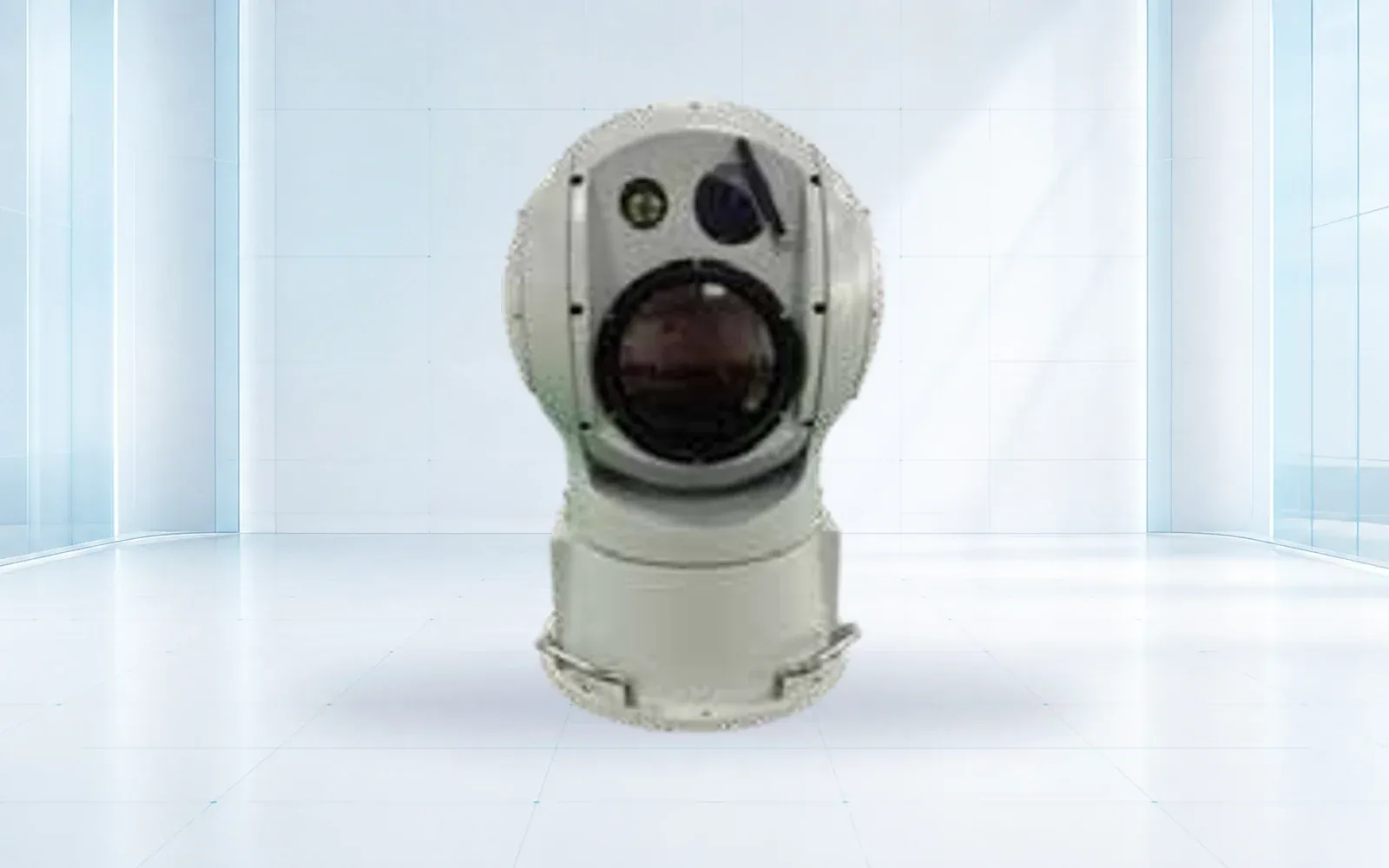
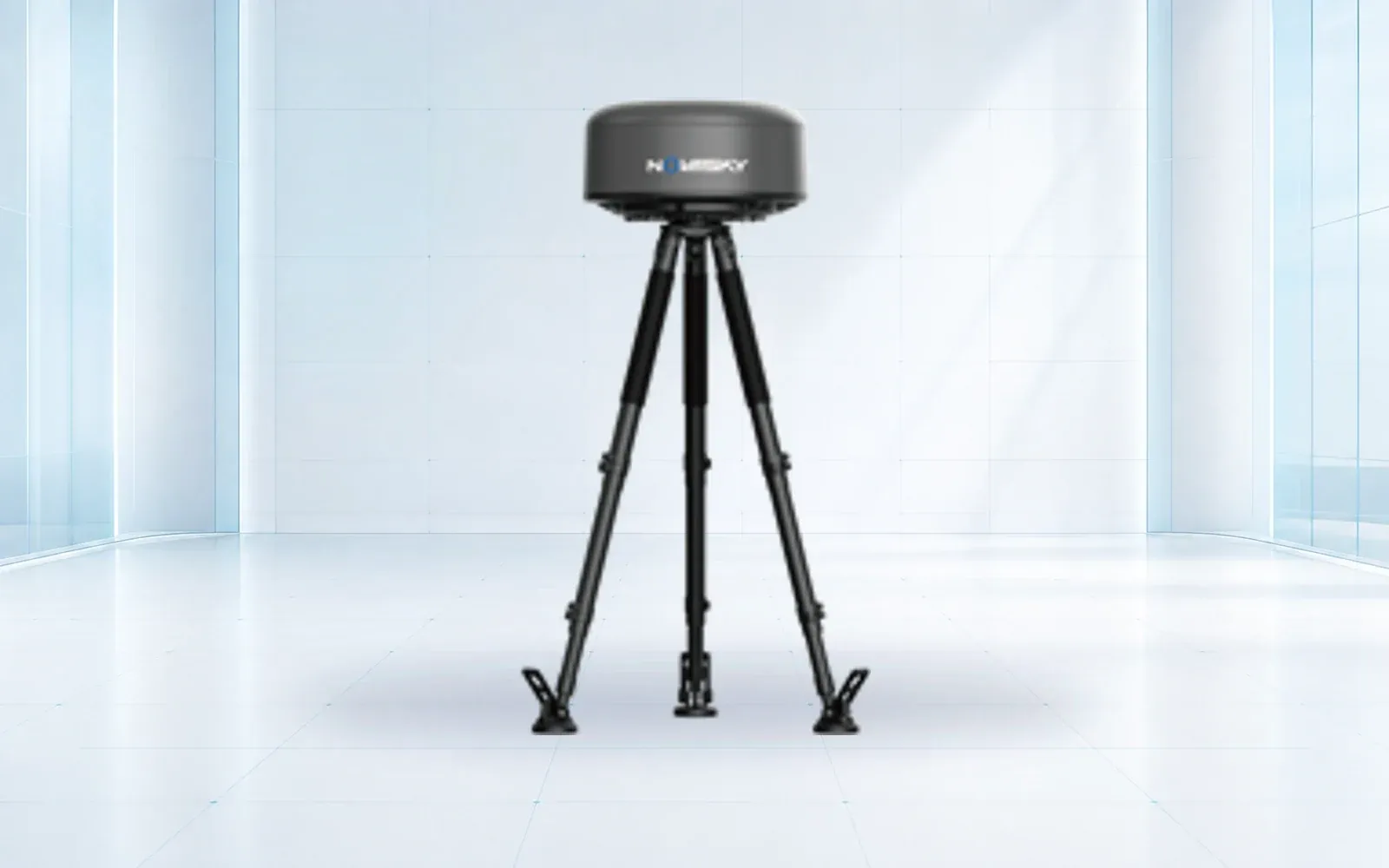
Use the counter-UAS product category to identify sensor stages, the border and homeland-security solution to define the operational workflow, and the resource center to retain truth, configuration, adjudication, and regression records.
FAQs
What is a false alarm in a counter-UAS system?
The test plan must define it by stage. A sensor hit, tentative track, classified drone, protected-zone alert, operator notification, and incident escalation are different events with different consequences.
How long should a counter-drone false-alarm test run?
There is no universal duration. It must cover enough representative operating time, traffic, weather, seasonal activity, shifts, and rare clutter to support the site's workload and risk decision.
Can sensor tuning eliminate all nuisance alerts?
Aggressive filtering can also suppress slow, small, low or unusual required targets. Every tuning change should be versioned and followed by both no-target and target regression tests.