Life detection radar motion interference can come from movement of the instrument as well as movement in the scene. A changing display therefore needs interpretation in the context of mounting, nearby motion and the sensing method. Use controlled comparisons to understand interference, while leaving real rescue decisions within the incident command process.
Table of Contents
The sensor is part of the moving geometry
Radar observes changes in returned signals. If the instrument itself moves, the geometry to many objects changes at once. The challenge is especially relevant when the desired observation is a small movement rather than a large translation.
A DHS description of the DePLife research program identifies detector motion, including vibration and responder movement, as a development challenge. The page describes that program and its assessment work; it is not a specification for every commercial life detector.
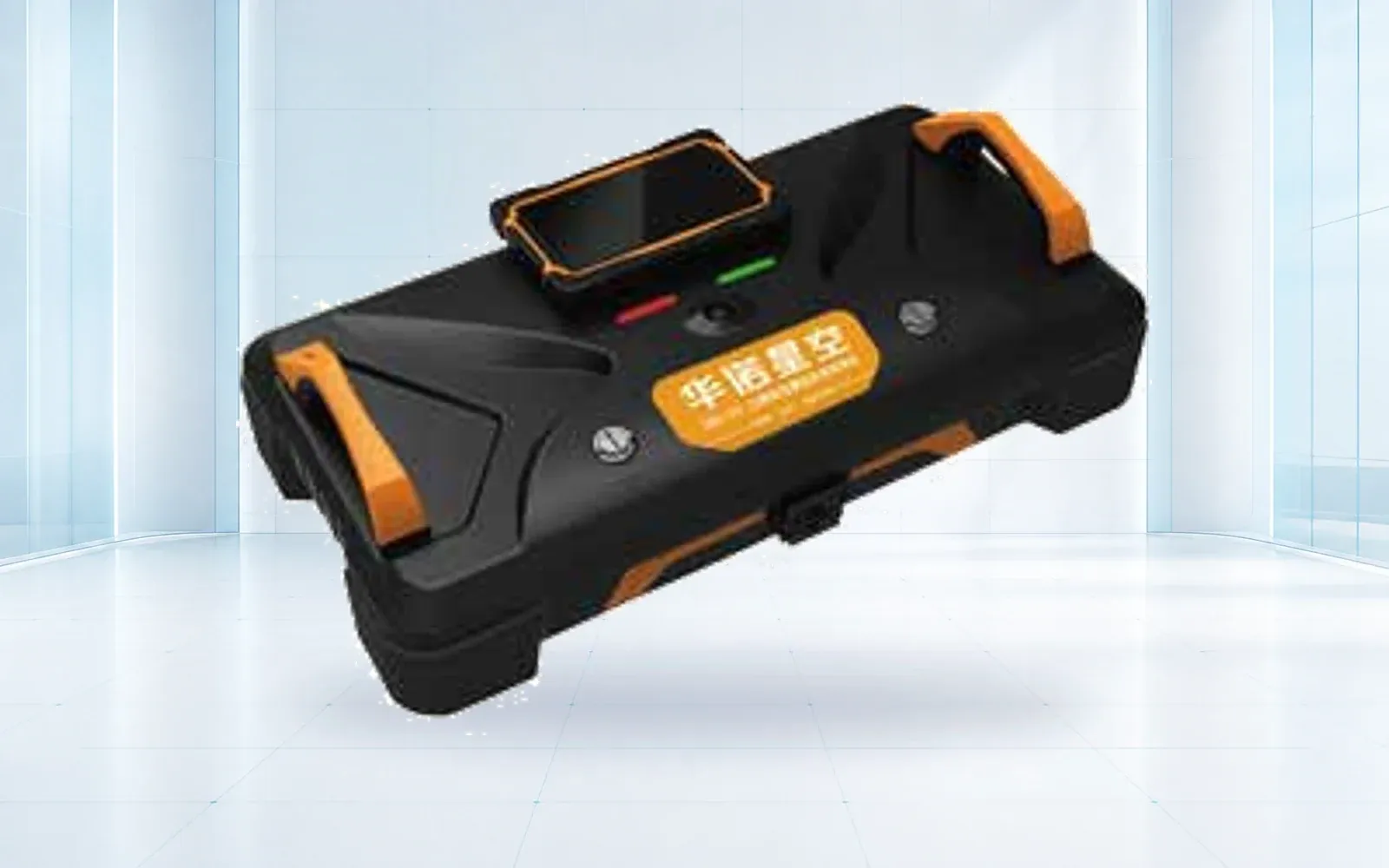
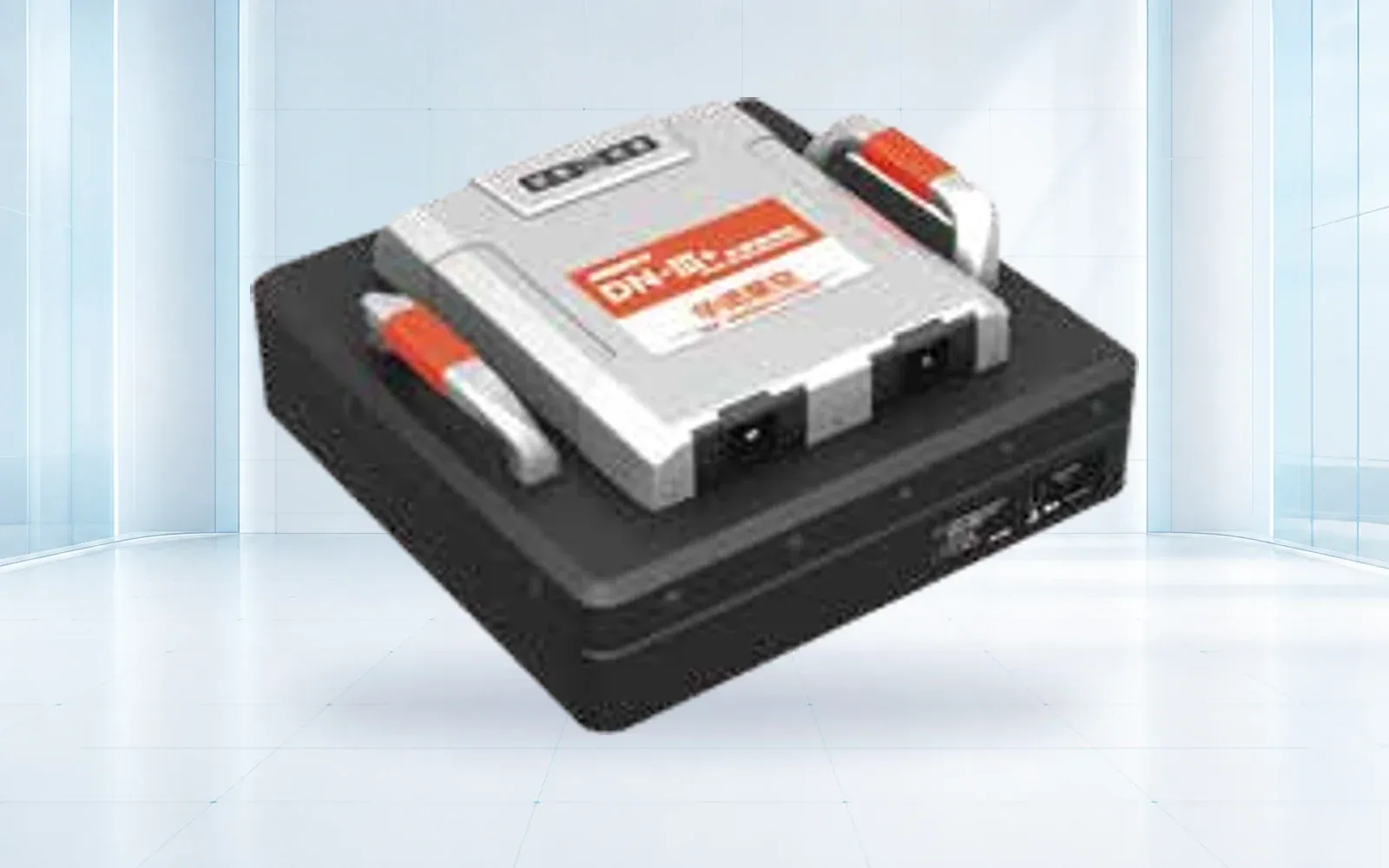
For life-detection equipment, distinguish a manufacturer-supported handheld mode from a stationary measurement procedure. A carrying handle does not define how the instrument should be supported while collecting a particular measurement.
Use controlled contrasts to identify the cause
The useful training question is whether a change in the display follows a known change in the setup. Start from a documented baseline in a safe training environment and vary one factor at a time.
| Controlled comparison | Variable changed | Interpretation supported |
|---|---|---|
| Fixed instrument, repeated scene | Repeat only | Baseline repeatability |
| Same scene, controlled instrument movement | Sensor reference motion | Sensitivity to that setup disturbance |
| Fixed instrument, known nearby movement | Background activity | Response to that defined scene change |
| Same setup, known target state changed | Target condition | Response under the tested geometry |
| Repeated test after remounting | Installation state | Dependence on support and alignment |
These comparisons help characterize a setup. They do not establish a universal detection distance or a guarantee for a real collapse scene. Keep known truth and observation labels separate so an operator’s expectation does not become the result.
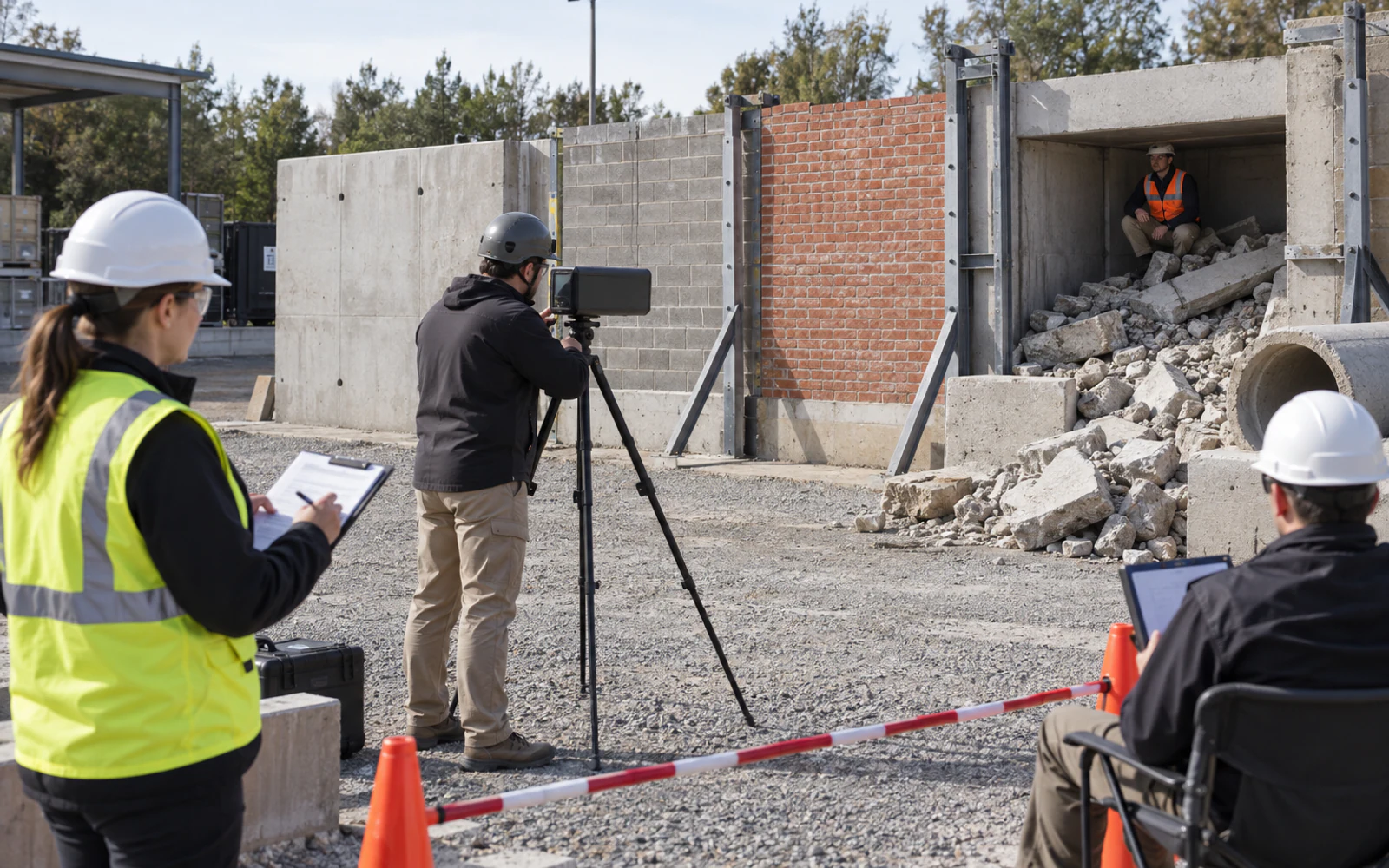
A useful trial order is: repeat the untouched baseline, introduce instrument movement, introduce a known nearby movement, change the target state, then remount and repeat. Randomize the order across operators so the sequence itself does not teach the expected answer. Stop if structural or access conditions make the setup unsafe; the trial is not worth an avoidable exposure.
The operator training guide covers competence and reporting. The narrower issue is causal diagnosis of instrument and scene motion.
Preserve ambiguous observations
Use wording that describes the observation and its conditions. “Repeatable response in this setup” carries a different meaning from “person confirmed.” Likewise, “no interpretable response” should not become “area clear.”
Record instrument support, orientation, relevant environmental conditions, nearby movement and the selected mode. These fields help explain why two scans differ. A screenshot without context can encourage a false comparison.
The life-detector acceptance guide provides a broader trial framework. Motion-interference cases should be included when they are relevant to the intended use, with pass criteria tied to the actual task and equipment.
Apply the lesson without disrupting rescue priorities
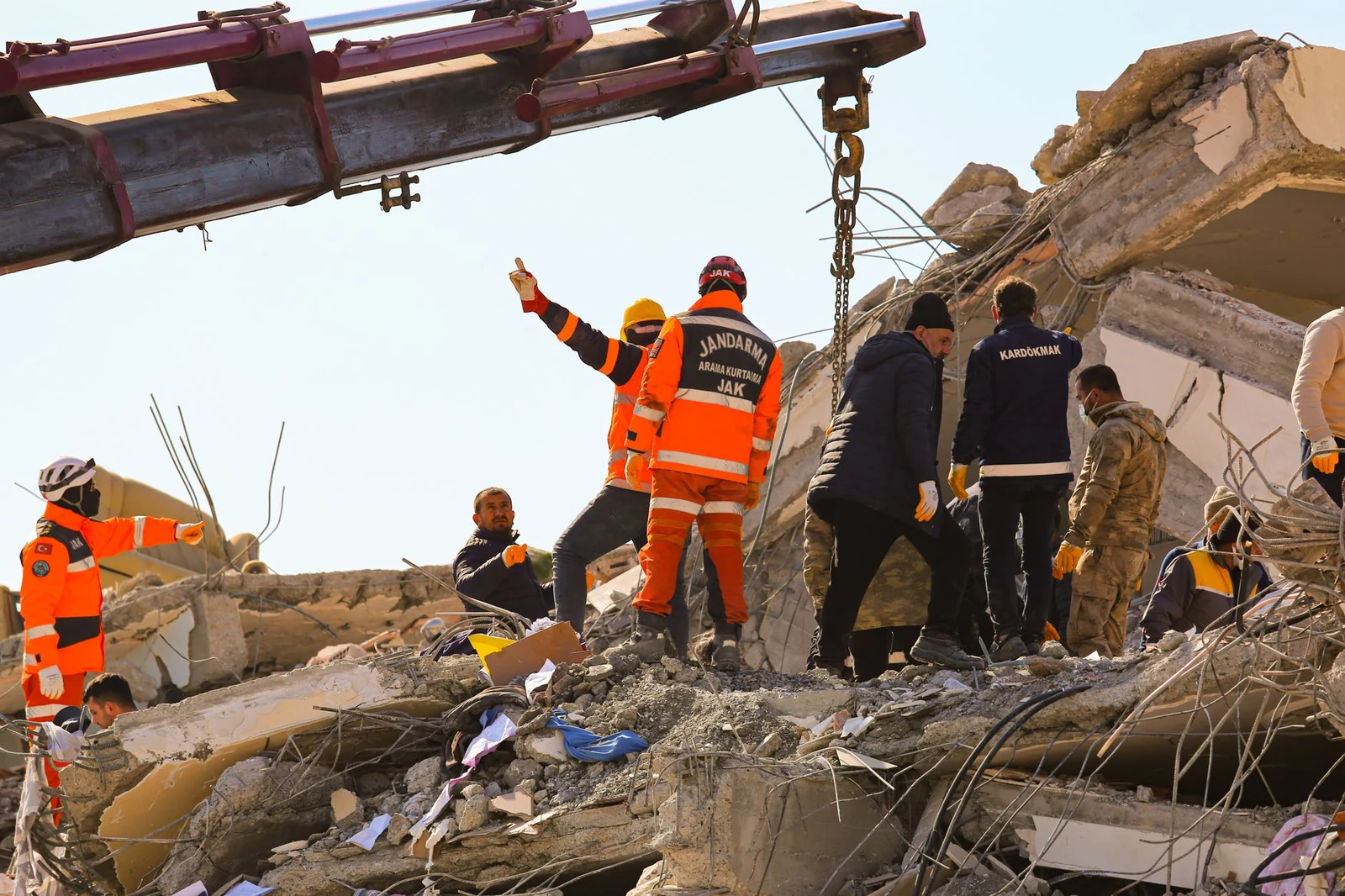
In a real incident, structural safety, access and command decisions govern where and how measurements can occur. A technically cleaner setup is not useful if obtaining it creates unacceptable exposure or delays a higher-priority rescue action.
For disaster and emergency response, equipment procedures should fit the coordinated search workflow. Changes to nearby activity must be directed through the responsible command structure, rather than improvised solely to improve a radar display.
The operational benefit is a more accurate account of what the instrument observed, including when movement made the result difficult to interpret. Keep the supported operating modes, setup method and training records with the technical resources so a later review can separate equipment behavior from scene conditions.
FAQs
Does a negative radar result rule out a person?
No. A negative result is limited by the equipment, scene and observation conditions. Rescue decisions need the broader search process and corroborating information.
Can the detector be held in the hand during every measurement?
Only when the exact equipment and operating mode support that use. Instrument movement can affect small-motion sensing, so follow the manufacturer-specific setup and operating instructions.
Can a display filter solve all motion interference?
No. Filtering can also suppress information of interest and cannot compensate for every scene or mounting problem. Evaluate the installed mode through controlled, labeled comparisons.
How should a controlled motion trial be recorded?
Record the support and mounting, instrument orientation, selected mode, nearby activity, observation time and the known target state. Keep the truth label separate from the operator's interpretation so the trial can be reviewed without relying on memory.