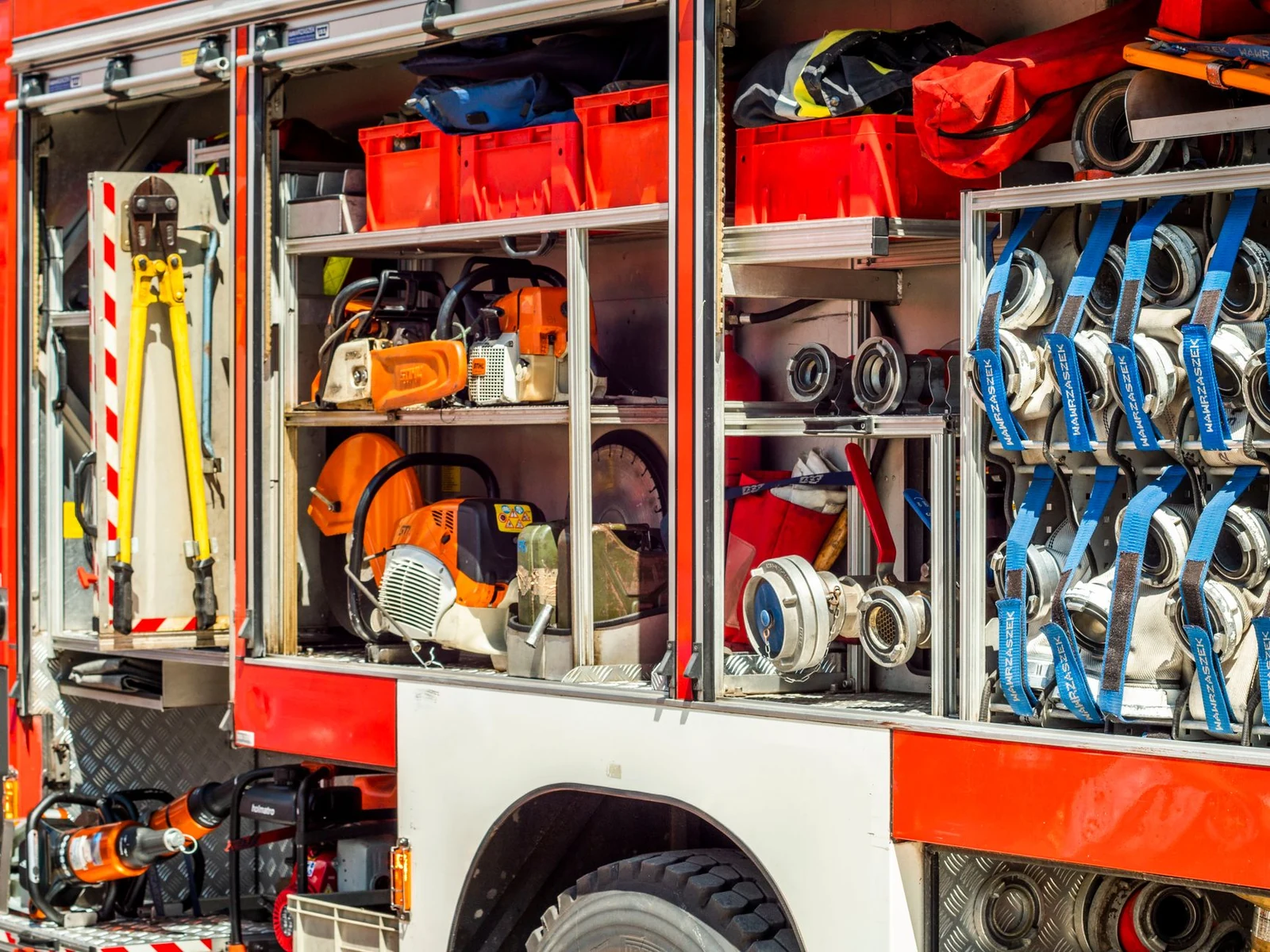
Radar life detector maintenance should keep a fleet ready to deploy, support and return to service—not merely present in storage. Plan charging, inspections, spares and fault isolation around the intended duty cycle. Readiness is a property of equipment, accessories and trained personnel together.
Table of Contents
Define a complete ready kit
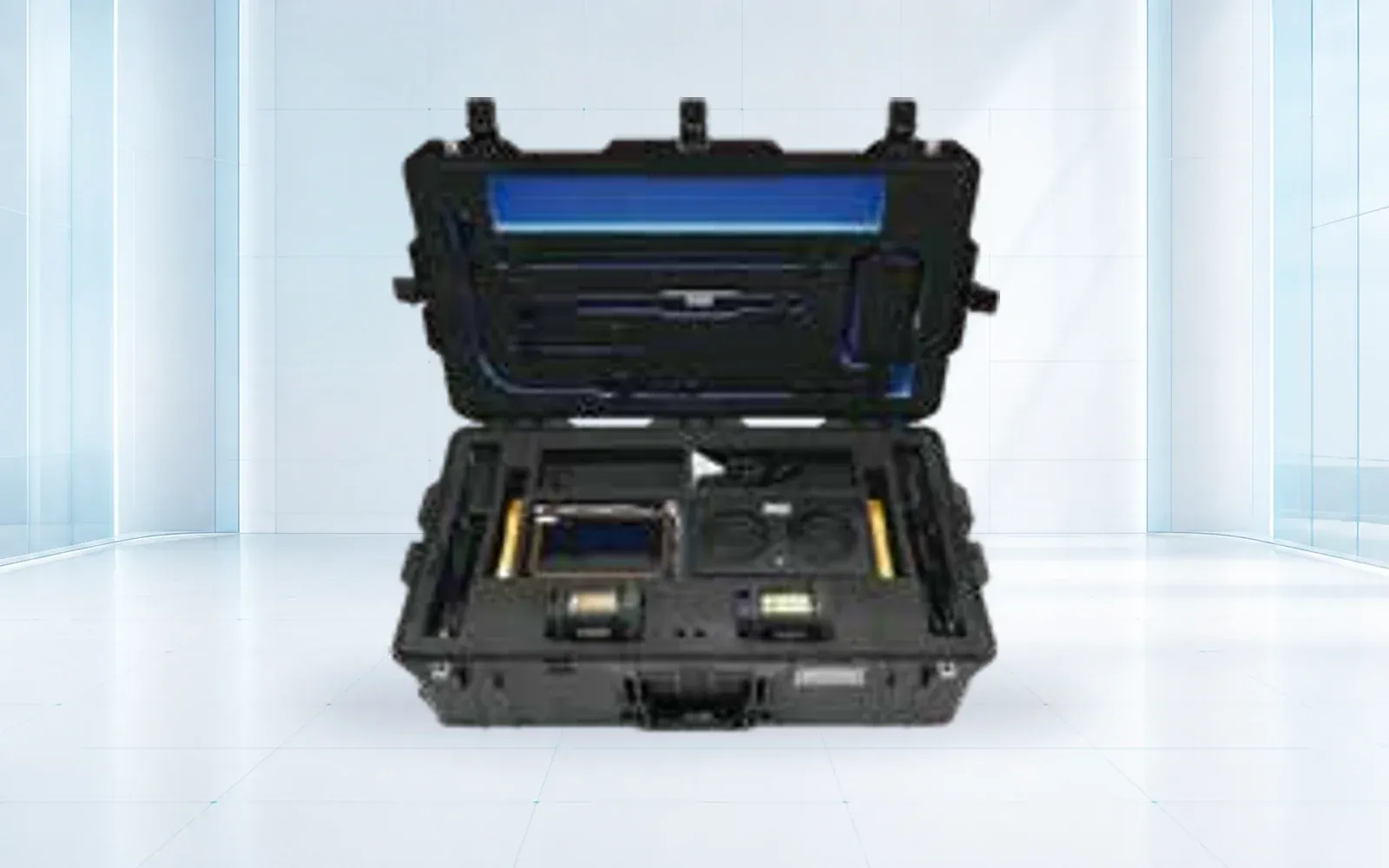
A kit can include the detector, approved power supplies, supported batteries, cables, mounting accessories, display or controller, and the required operating information. The list depends on the exact model and intended mission.
DHS’s archived August 2019 survey of portable signs-of-life equipment spans different power arrangements and sensing capabilities. That diversity is a reason to use model-specific maintenance instructions, rather than invent one charging or service interval for every detector.
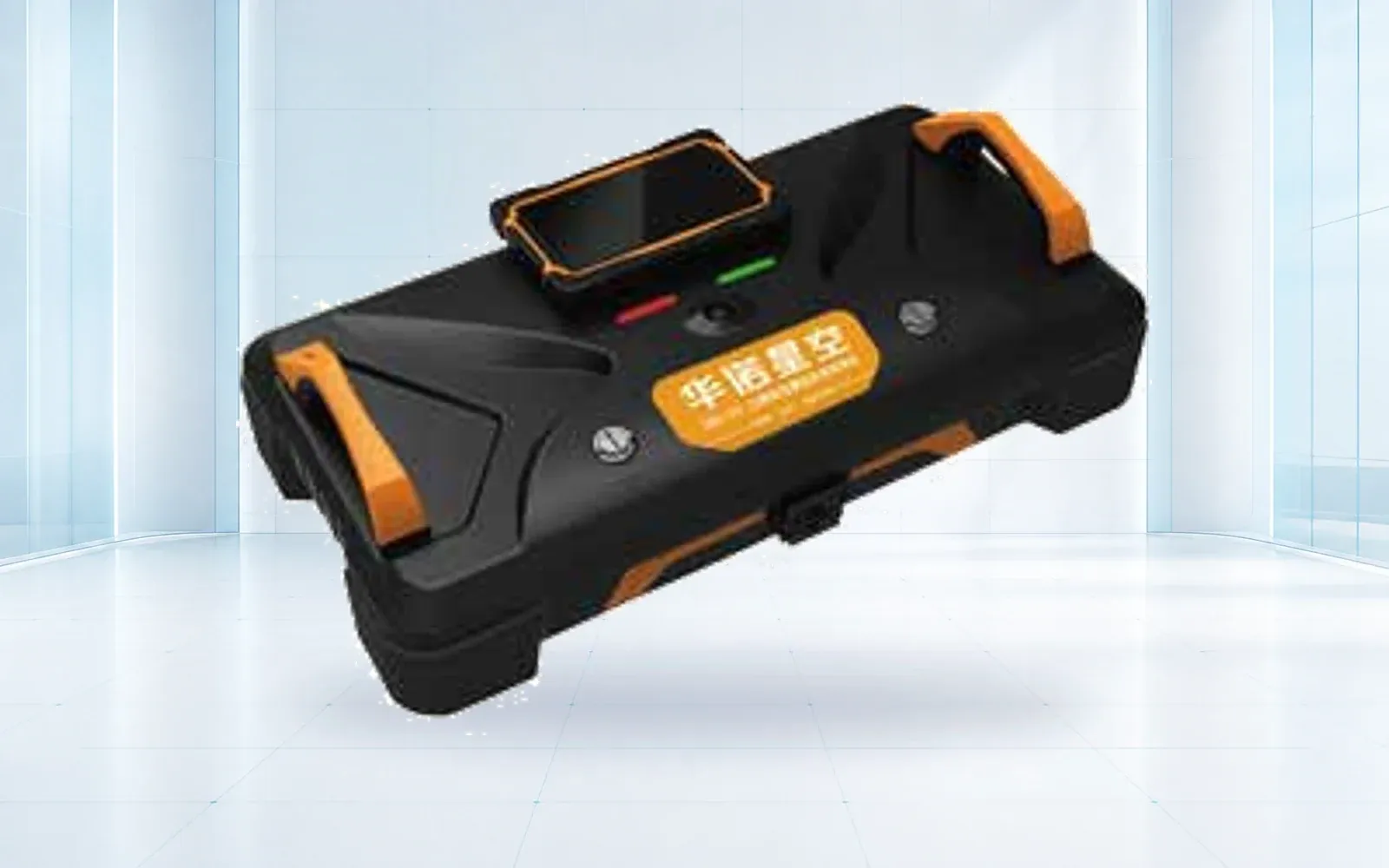
For an OMNI life-detection configuration, keep the kit definition aligned with the delivered equipment. The rotation method covers readiness and availability; battery replacement, storage conditions and service limits come from the applicable equipment instructions.
Track states that change availability
A useful register distinguishes ready, deployed, recovering and isolated equipment. “Recovering” includes charging, cleaning or replenishing; “isolated” means a fault or unresolved condition prevents assignment.

| State | Minimum record | Release condition |
|---|---|---|
| Ready | Kit identity, configuration and completed checks | Assigned under the operating procedure |
| Deployed | Custodian and task record | Returned for the applicable post-use process |
| Charging or replenishment | Power accessory and completion status | Required energy and kit items restored |
| Inspection or service | Work performed and findings | Specified functional checks completed |
| Isolated | Fault, owner and repair status | Fault resolved and return-to-service authorized |
Do not silently move a faulty device into the charging queue. That can make a fault look like an ordinary turnaround delay and allow the device to be issued again.
Model the rotation before buying spares
For a simplified continuous rotation, let a complete kit provide T hours of task availability and need R hours before it is ready again. Ignoring travel and failures, the number of kits needed for one continuously occupied task position is approximately ceiling((T + R) / T).
With hypothetical T = 2 hours and R = 3 hours, the result is three kits. Two simultaneous task positions would require six in that simplified model. These values describe a planning example, not any detector’s runtime or charging requirement.
Real planning also includes shift changes, travel, battery exchange options, cleaning and unplanned faults. A separate reserve should be justified by the consequences of lost availability and the actual repair arrangement, not by a universal percentage.
The through-wall radar cost guide discusses purchase scope. Rotation planning converts that scope into the number of complete usable kits and accessories.
Motion interference during deployment is a separate training issue; the motion-interference guide covers controlled comparisons.
Test the rotation with a realistic duty cycle
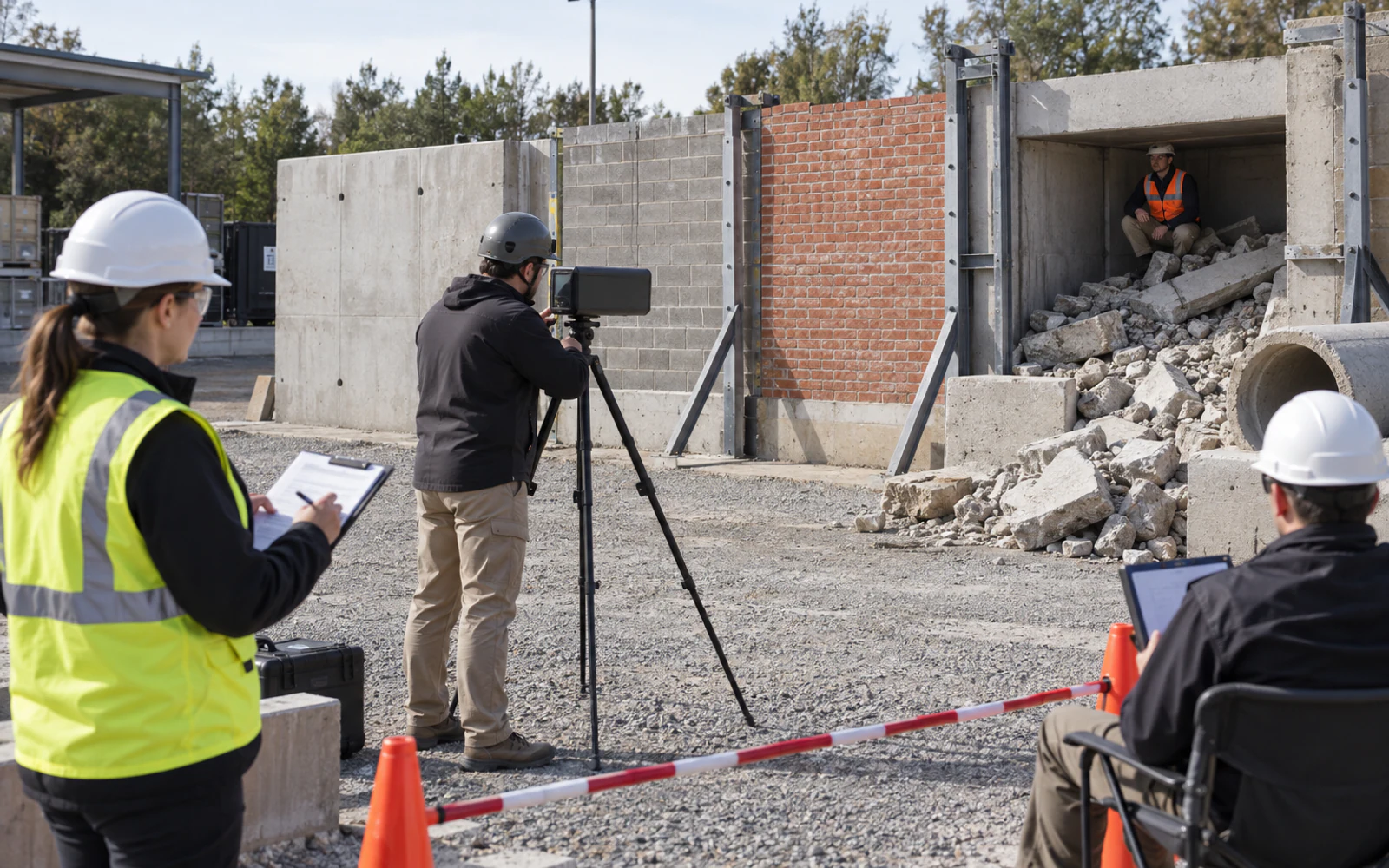
A useful exercise runs the register through a full shift: issue the kit, deploy it, return it, recharge it and make it ready for the next call. Record the actual time in each state and the delays caused by missing accessories or personnel. The result often shows that the binding constraint is charging or kit replenishment, not detector run time.
Return the configuration to service
After repair or a substantive software change, inspect the functions affected by the work. Preserve the previous configuration, the change and the return-to-service result. The acceptance guide provides the broader evaluation context; routine service checks should be proportionate to the work performed.
Separate equipment readiness from personnel qualification. A fully charged instrument does not supply trained interpretation, and a trained operator cannot compensate for an unavailable accessory or unresolved fault.
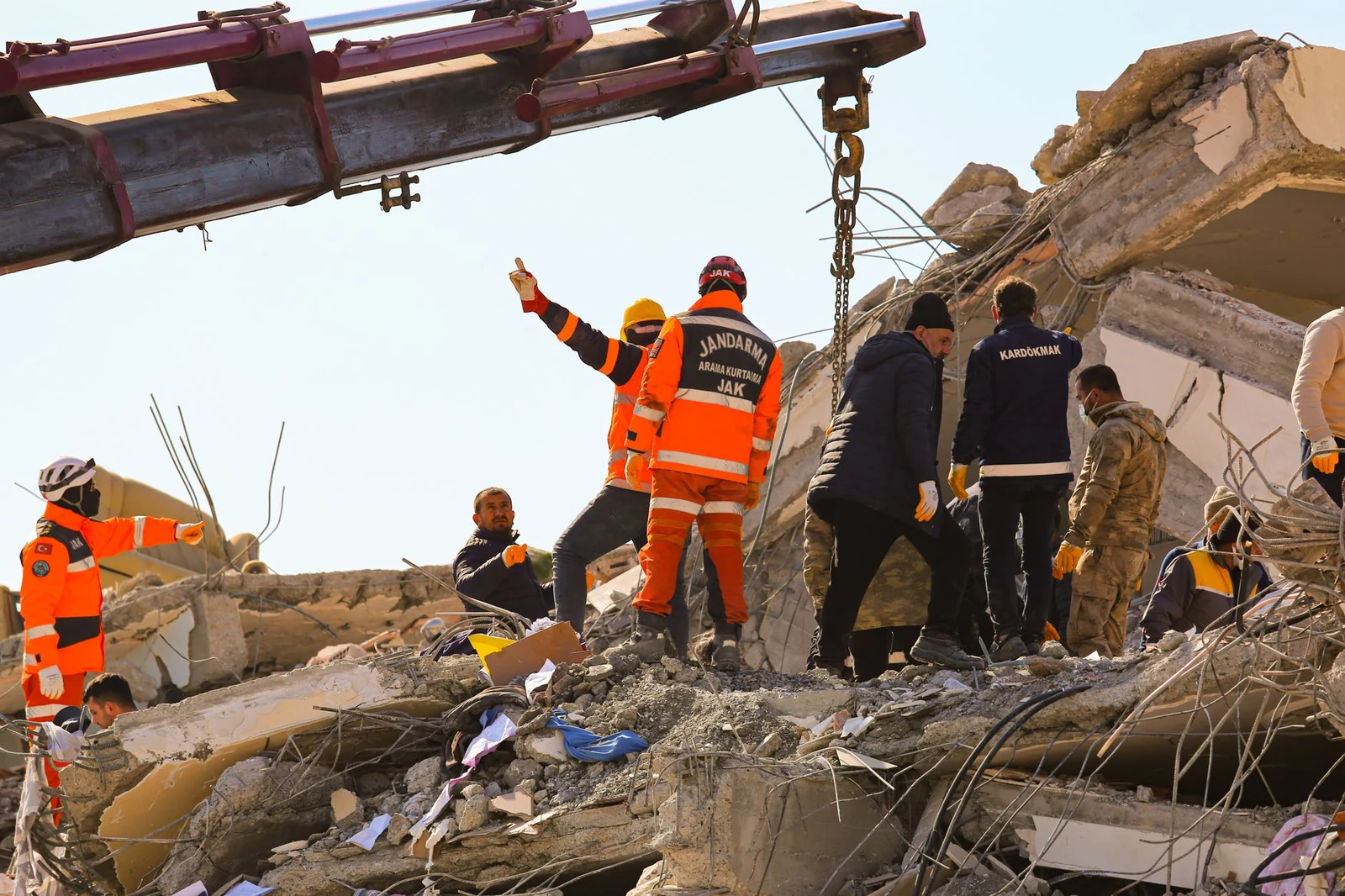
For disaster-response teams, assign an equipment custodian and a clear path for reporting faults between exercises and incidents. The practical purchasing output is a rotation plan showing how many complete kits are ready, which are recovering and what can cover a failure. Include approved instructions and the configuration register with the technical resources so the plan can be audited against actual use.
FAQs
Should a device that powers on automatically be marked ready?
No. Readiness also depends on the required accessories, battery condition, supported self-checks, configuration and assigned personnel. Power-on is only one observation.
Can spare batteries replace the need for a spare detector?
They address a different failure mode. Batteries can extend energy availability when the equipment supports replacement, while a spare detector covers faults in the instrument itself.
Should all devices be updated at the same time?
The maintenance owner should consider service continuity and the risk of a common configuration problem. A staged update with verification can preserve an operational reserve when the equipment and program permit it.
How often should readiness be reviewed?
Review after every deployment, after a fault or repair, and on a scheduled interval that reflects the equipment's service instructions and the team's response obligations. The review should cover complete kits, personnel availability and the recovery plan, not only device charge.