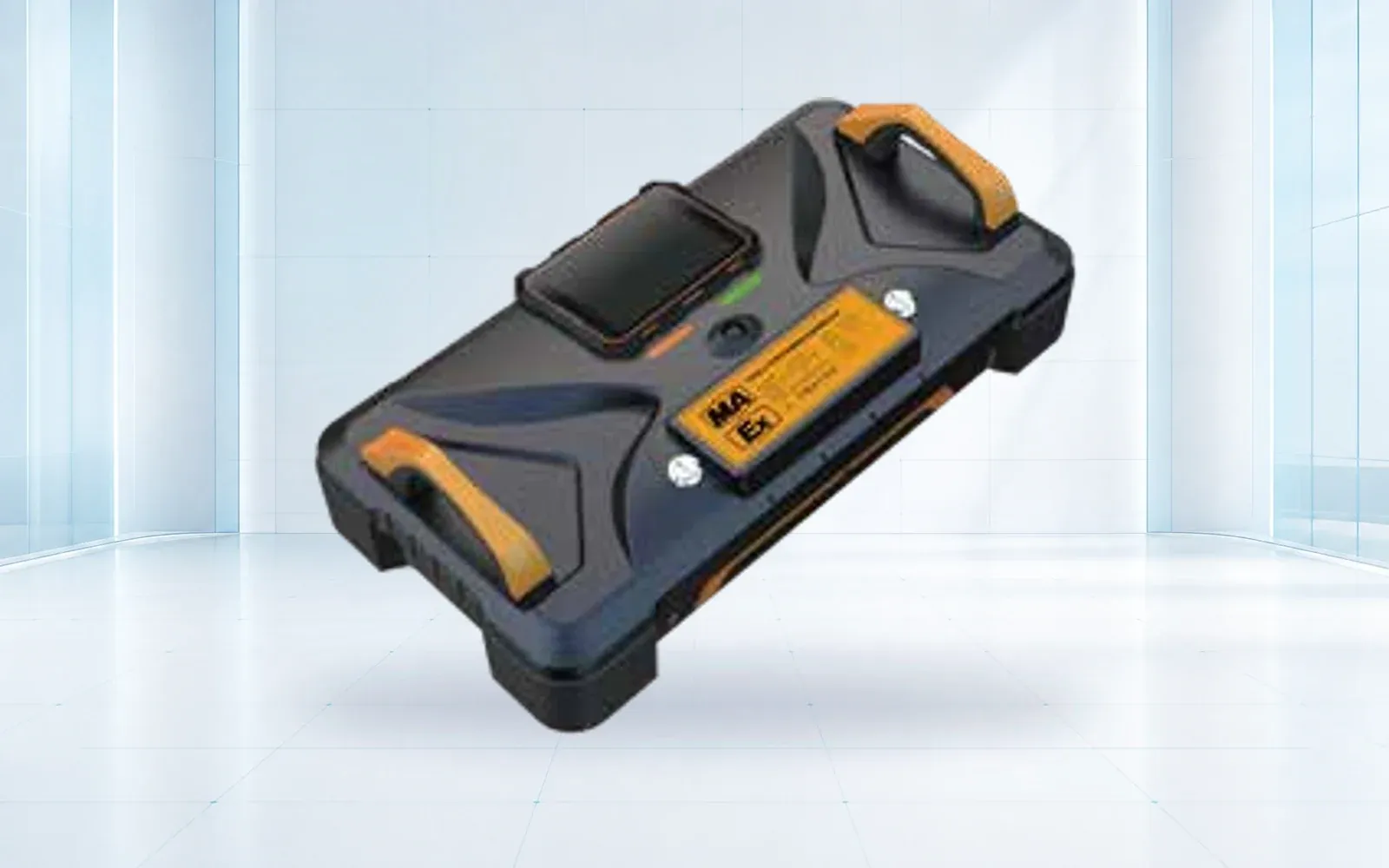
Life-detection technology in a mine emergency must remain subordinate to mine-rescue command, ground control, ventilation, gas monitoring, communications, access, and the approved emergency plan. Its useful role is to add structured evidence to a named search sector, not to authorize entry or replace established tracking, mapping, exploration, and rescue controls.
Table of Contents
1. Place Detection Under Mine-Rescue Command
Identify the incident commander, mine-rescue leadership, ground-control and ventilation specialists, mapping/tracking lead, communications, medical, technical-search lead, equipment operator, evidence recorder, and the authority to pause or redirect work. Follow the mine emergency plan and applicable mine-rescue rules.
MSHA’s unified mine-rescue training guide emphasizes realistic, hands-on exercises and the critical skills required for mine emergency rescue and recovery. Add life-detection tools to those exercises; do not create a parallel command channel around a sensor.
Define what a radar, acoustic device, camera, tracking record, communication system, borehole observation, or canine team can contribute and who decides the next action.
2. Build a Search Model From Existing Mine Evidence
Start with current mine maps, ventilation plan and status, escapeways, refuge alternatives, seals and stoppings, shafts and boreholes, event origin, ground-failure areas, fire or inundation, power state, communications and tracking, last-known work assignments, check-in records, witness reports, and likely movement after the event.
NIOSH guidance explains that electronic tracking accuracy can depend on node spacing, geometry, obstructions, and surviving infrastructure, and that emergency damage can reduce available coverage. Preserve uncertainty instead of treating the last electronic location as exact.
Use the combined evidence to prioritize sectors and safe sensor positions. Update the model when new communication, exploration, atmosphere, ground, or detection evidence arrives.
3. Issue a Search-Sector Card
| Sector-card field | Required record | Operational purpose |
|---|---|---|
| Sector boundary | Mine coordinates, level, entry/room/feature and uncertainty | Keeps indications tied to the map |
| Access and safety state | Approved sensor locations and prohibited areas | Prevents detection work from bypassing command controls |
| Material/void model | Rock, coal, concrete, stoppings, rubble, thickness and air spaces | Sets realistic sensor geometry and limits |
| Noise/motion state | Ventilation, pumps, conveyors, drilling, vehicles, responders and water | Supports artifact control |
| Known people evidence | Last-known assignments, tracking, communication and witness data | Guides priority without declaring a location |
| Scan record | Position, device, settings, time, indication, repeat and confidence | Enables reconstruction and handoff |
| Confirmation | Acoustic, camera, communication, second position or exploration result | Separates indication from confirmed finding |
Keep every scan attached to a sector and sensor position. A promising indication without a mine-coordinate handoff can waste critical time or direct teams toward the wrong side of a barrier.
4. Control Noise and Movement Without Creating New Risk
Inventory ventilation equipment, pumps, generators, conveyors, drilling, water, electrical sources, vehicles, surface activity, and responder movement that could affect the sensor. Incident command—not the radar operator—decides whether equipment can be stopped or altered.
Record before/after states and allow the system to settle as its procedure requires. Repeat from the same position, then use a planned second geometry. Do not move equipment, enter unsupported ground, change ventilation, or interrupt safety systems merely to improve a signal.
Historical NIOSH mine-rescue research underscores the importance and difficulty of locating trapped miners and separating weak signals from noise. Modern devices require current product evidence, but the need for noise control, repeatability, and location uncertainty remains.
5. Corroborate and Communicate With Calibrated Language
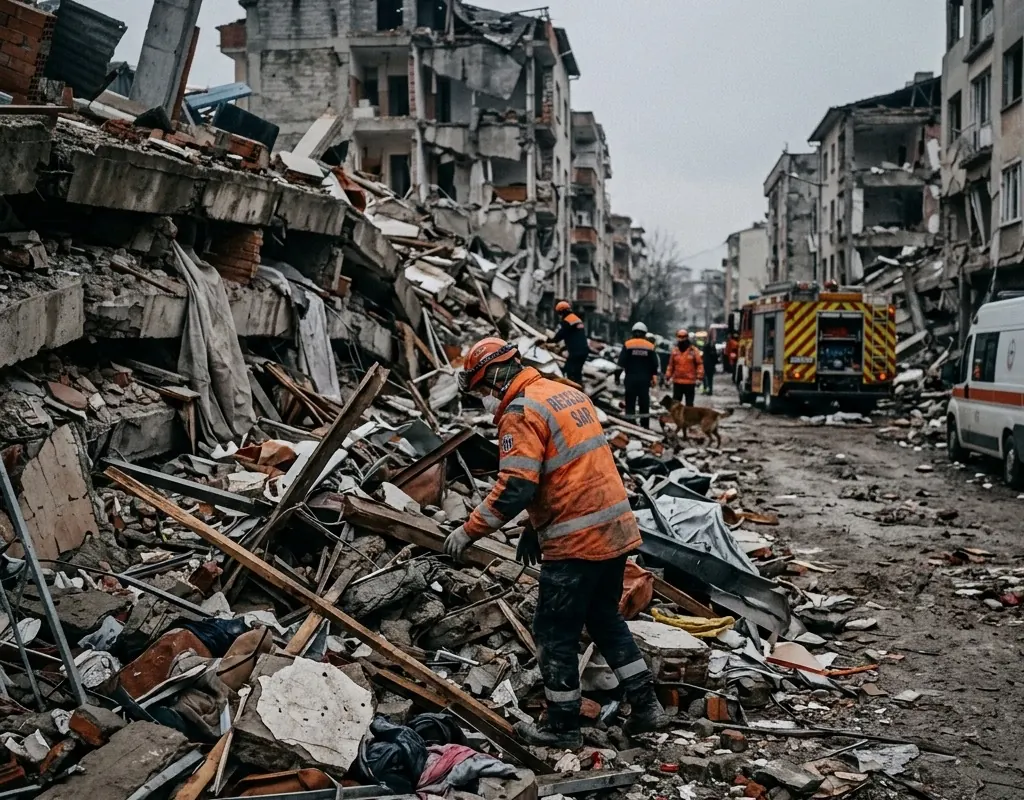
Report “indication,” “repeat indication,” “unresolved,” “no indication under tested conditions,” or another approved state. Avoid “survivor found” unless the incident process has established that conclusion through sufficient evidence.
Use communications, tapping or acoustic evidence, borehole camera, search camera, tracking, second radar geometry, visual exploration, or another approved method to corroborate. Record conflicts. Different sensors may observe different targets, positions, time windows, or physical phenomena.
The evidence-led life-detection workflow provides a general corroboration model; this article adds mine maps, ventilation, ground control, tracking, and rescue-command constraints.
6. Exercise the Full Handoff Before an Incident
Run realistic training with positive, negative, ambiguous, multiple-sector, equipment-noise, lost-communication, bad-map, inaccessible-position, and sensor-failure scenarios. Score time to deploy, sector accuracy, scene control, repeatability, confidence, evidence completeness, map handoff, command communication, and correct stop decisions.
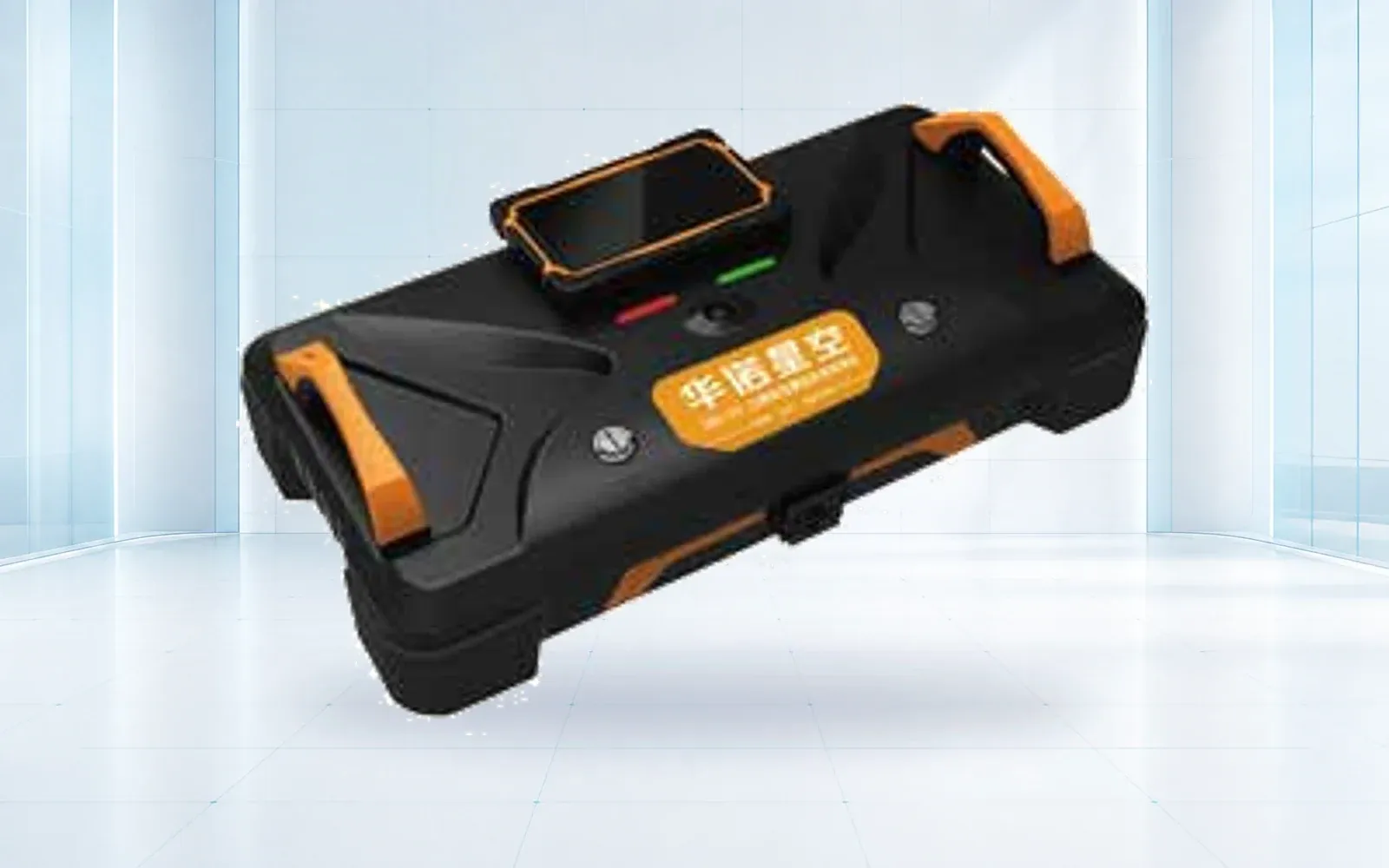
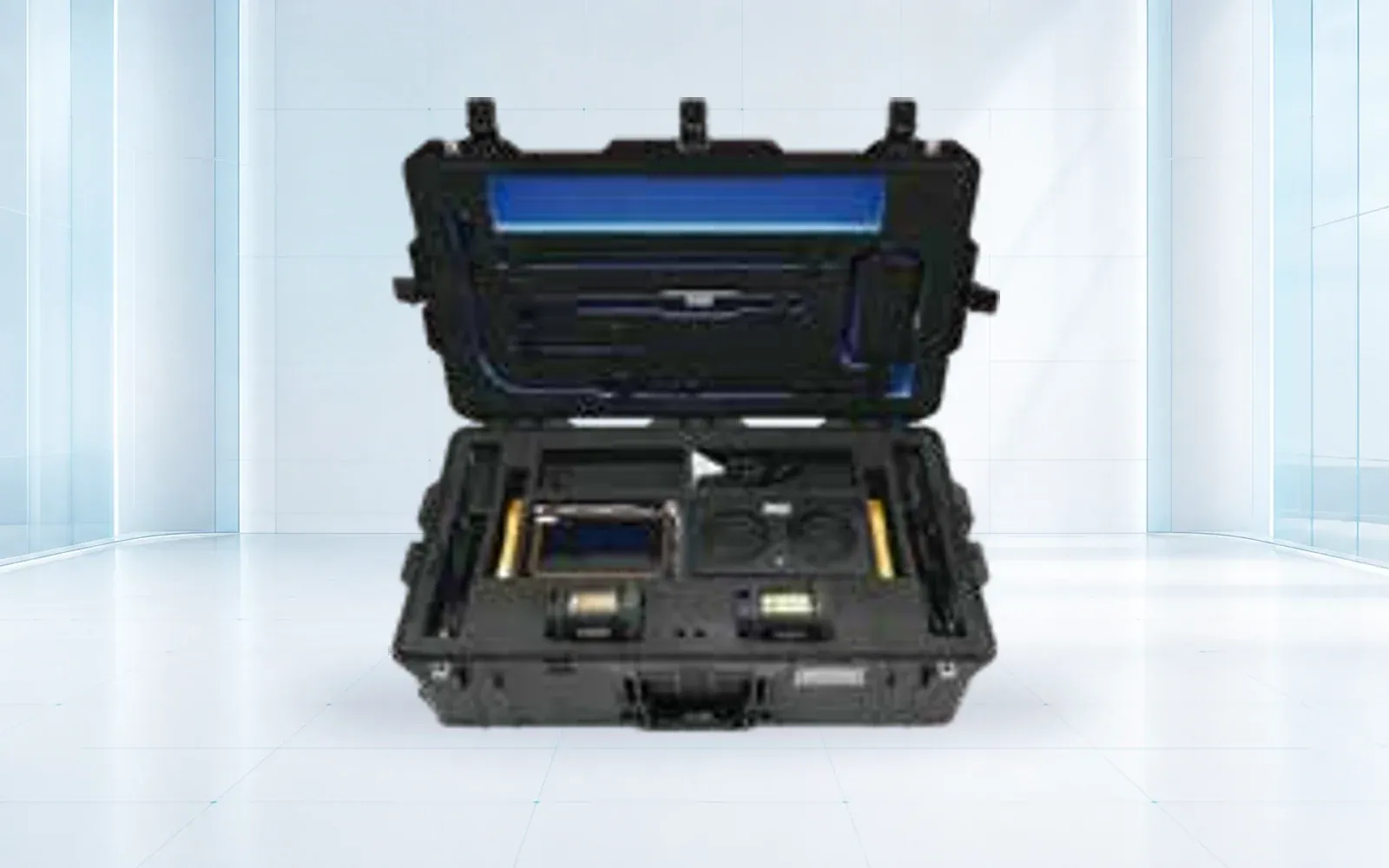
Evaluate the YSF40 mine life detector, DN-III radar, and DN-VI multimodal system against mine-specific scenarios. Use the life-detection category, disaster-response solution, and resource center to maintain sector cards, training records, and equipment configurations.
7. FAQs
Can radar locate trapped miners through rock and mine workings?
Capability depends on the exact radar principle, material, depth, geometry, void, target state, noise, access, and validated product claim. It must be tested for the intended mine scenario and corroborated.
What information should guide mine-rescue life-detection sectors?
Use mine maps, tracking and communications records, last-known assignments, refuge and escapeway locations, ground and ventilation status, event timeline, witness reports, access, and incident-command priorities.
Can a life-detection indication make an underground area safe to enter?
No. Entry, ground support, atmosphere, ventilation, fire, inundation, electrical, explosion, and rescue-route decisions remain with qualified mine-rescue and incident-command personnel.