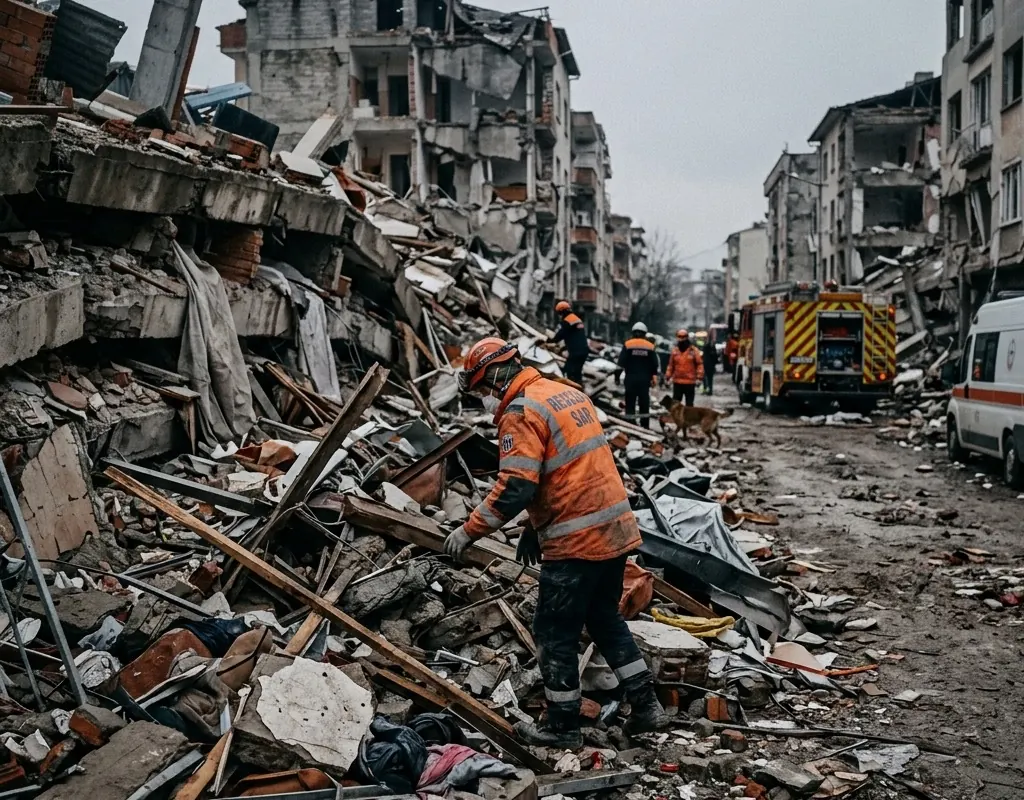
The scene changes rapidly
Access, structural stability, weather, noise and responder movement can change faster than a technology deployment plan.
Evidence-led search · Reference architecture
A modular workflow for aerial assessment, life-detection search and command coordination without inventing universal deployment times or detection certainty.
Operating context
Emergency technology must fit incident command, structural safety and the search plan. Speed matters, but an unsupported “minutes to detection” promise can be more dangerous than a cautious result.
The reference architecture combines aerial overview with ground life-detection methods. Every signal is treated as evidence to repeat and corroborate, not as proof on its own.
Problem definition
These challenge areas determine the architecture, operating model and acceptance evidence for the site.
Access, structural stability, weather, noise and responder movement can change faster than a technology deployment plan.
A weak indication can redirect scarce rescue resources, so repeatability and corroboration matter.
Aerial, structural, search and command teams must share sectors, hazards, confidence and handoff status.
Layered architecture
Product references show a viable starting point. Interfaces, quantities, ranges and legal availability are confirmed during project engineering.
A rapidly deployable aircraft documents access, hazards and broad search sectors.
Portable radar supports repeated scans through rubble or structural material.
Radar, vibration or visual tools provide a second source of evidence.
Through-wall systems may support qualified, legally authorized operations separate from civilian rescue.
Operating model
The operating model gives every sensing and platform layer a defined input, handoff and output.
Use aerial and ground observation to define access, exclusion and controlled search cells.
Output: Incident search-sector map
Manage movement and noise, record sensor position and establish a local baseline.
Output: Traceable sector observation
Change position or method deliberately and compare independent evidence.
Output: Area-of-interest evidence package
Give command a location, confidence, uncertainty, action and closure status.
Output: Search-priority and decision record
Implementation sequence
The sequence is intentionally phased so that site facts, interfaces and operator behavior can change the design before broad deployment.
Define incident-command roles, structural-safety constraints and target environments.
Practice baselines, movement control, repeat scans and misleading no-target conditions.
Standardize location, confidence, uncertainty and corroboration records for command.
These are design outcomes, not a claim that a specific result has already been achieved at an unnamed customer site. Project acceptance criteria are agreed for the configured system.
Acceptance matrix
| Area | Requirement | Evidence |
|---|---|---|
| Deployment | Teams can safely establish the system and records under representative constraints. | Timed scenario setup |
| Artifact control | Responder, machinery and environmental effects are identified. | No-target and ambiguity exercise |
| Repeatability | A detected area can be relocated and rescanned by another operator. | Second-operator handoff test |
| Command record | Priority changes are tied to source evidence and responsible decisions. | Complete sector timeline |
Equipment context
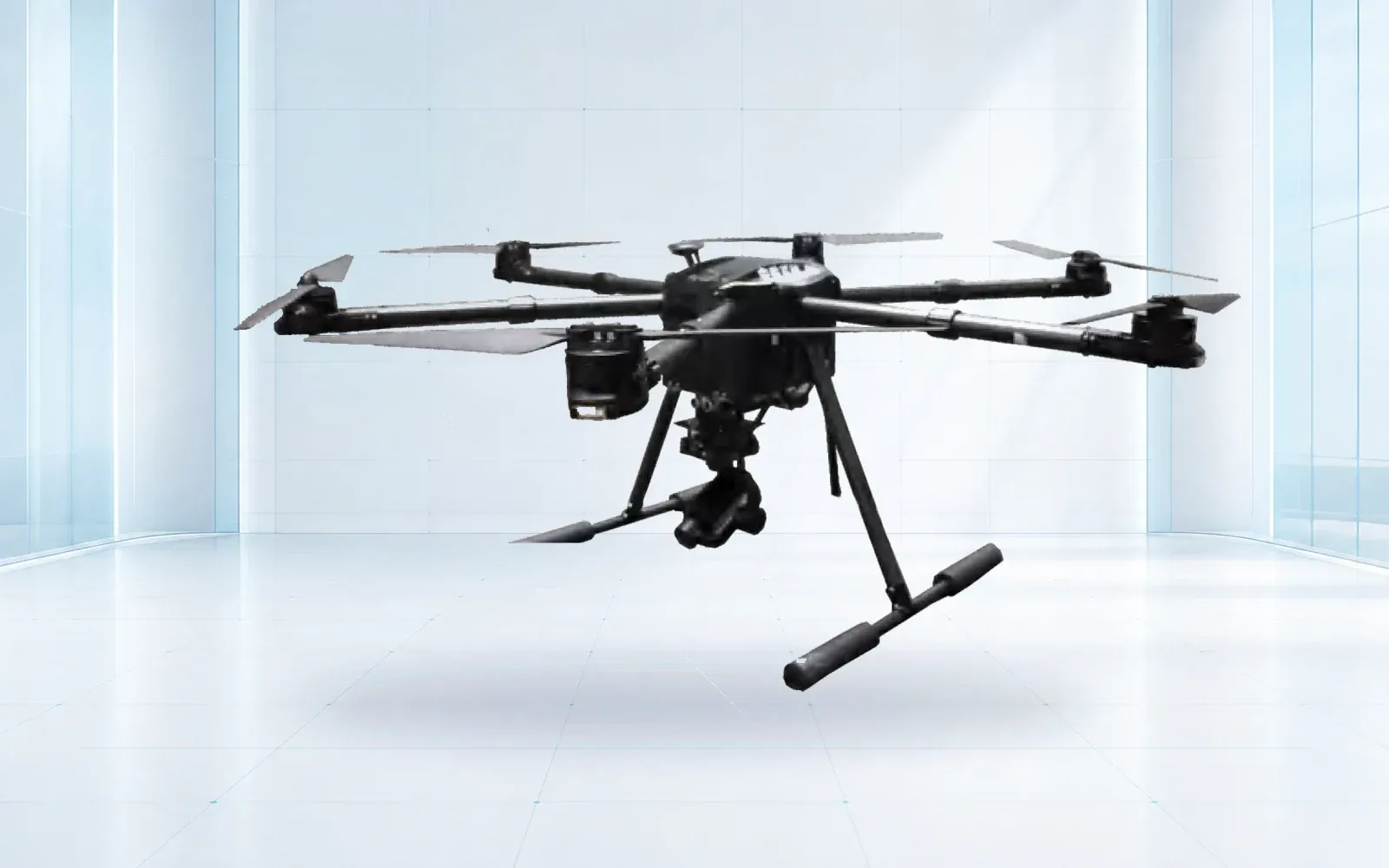
All-weather multirotor
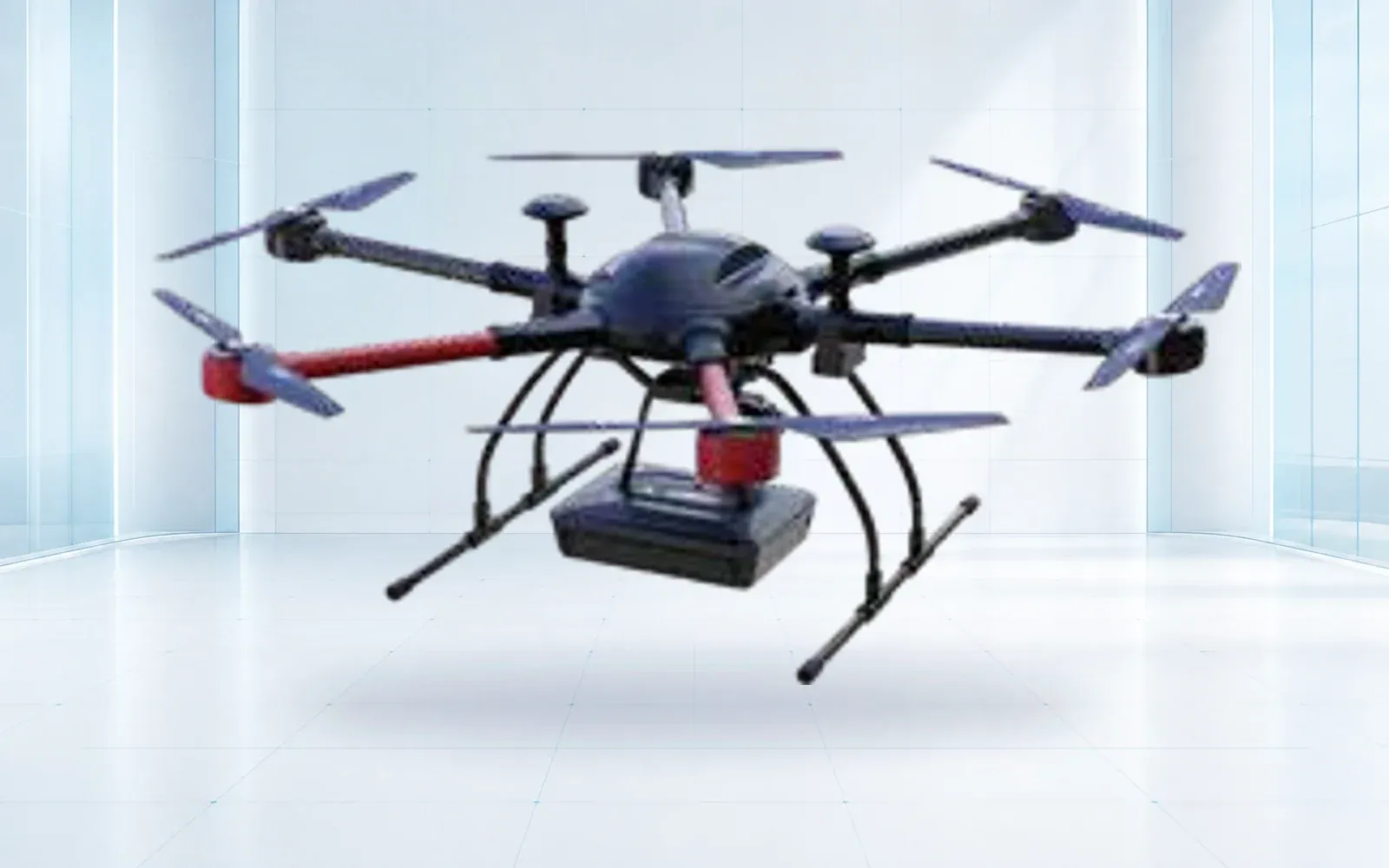
Rapid-area search
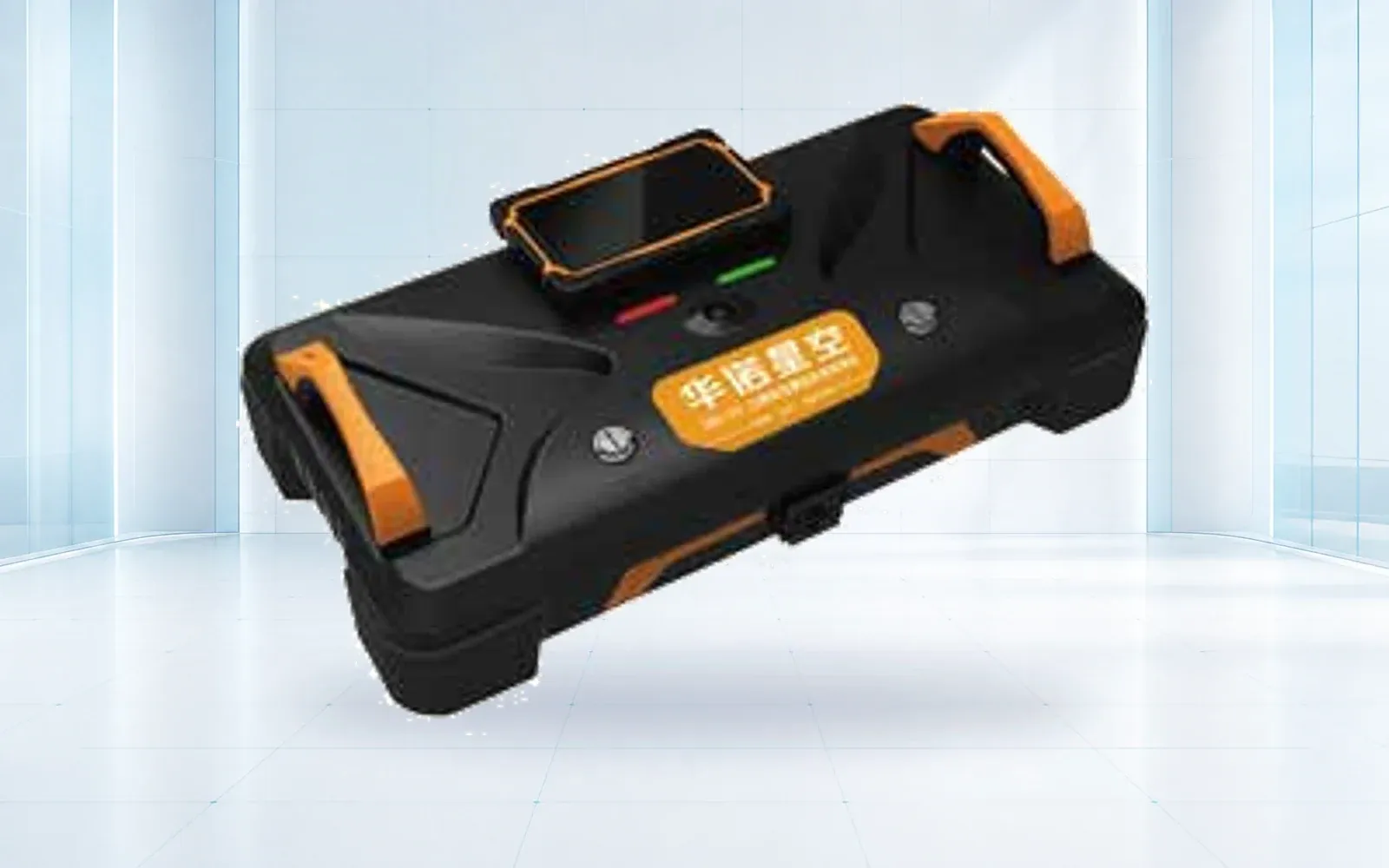
Urban search and rescue
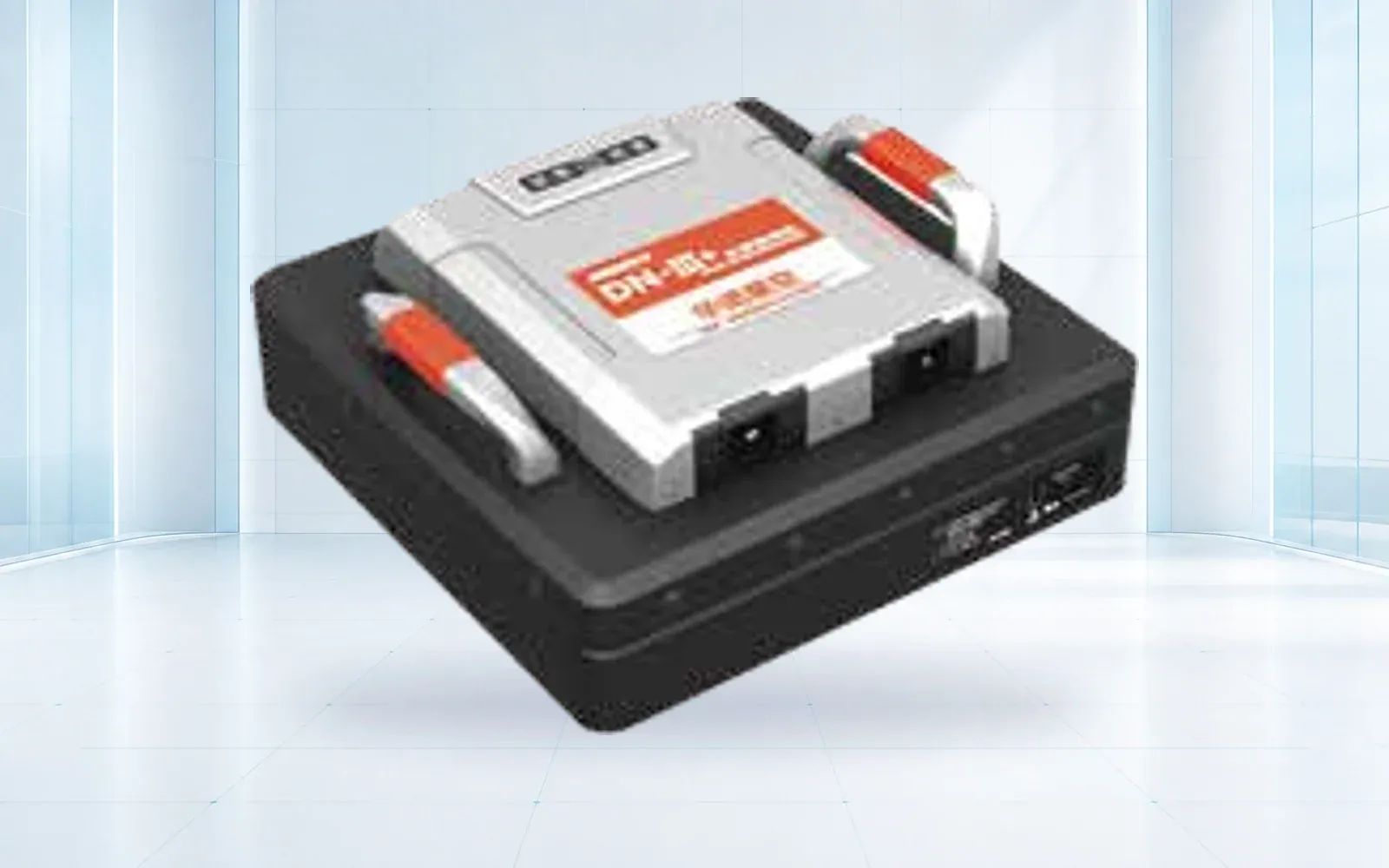
Multi-target positioning
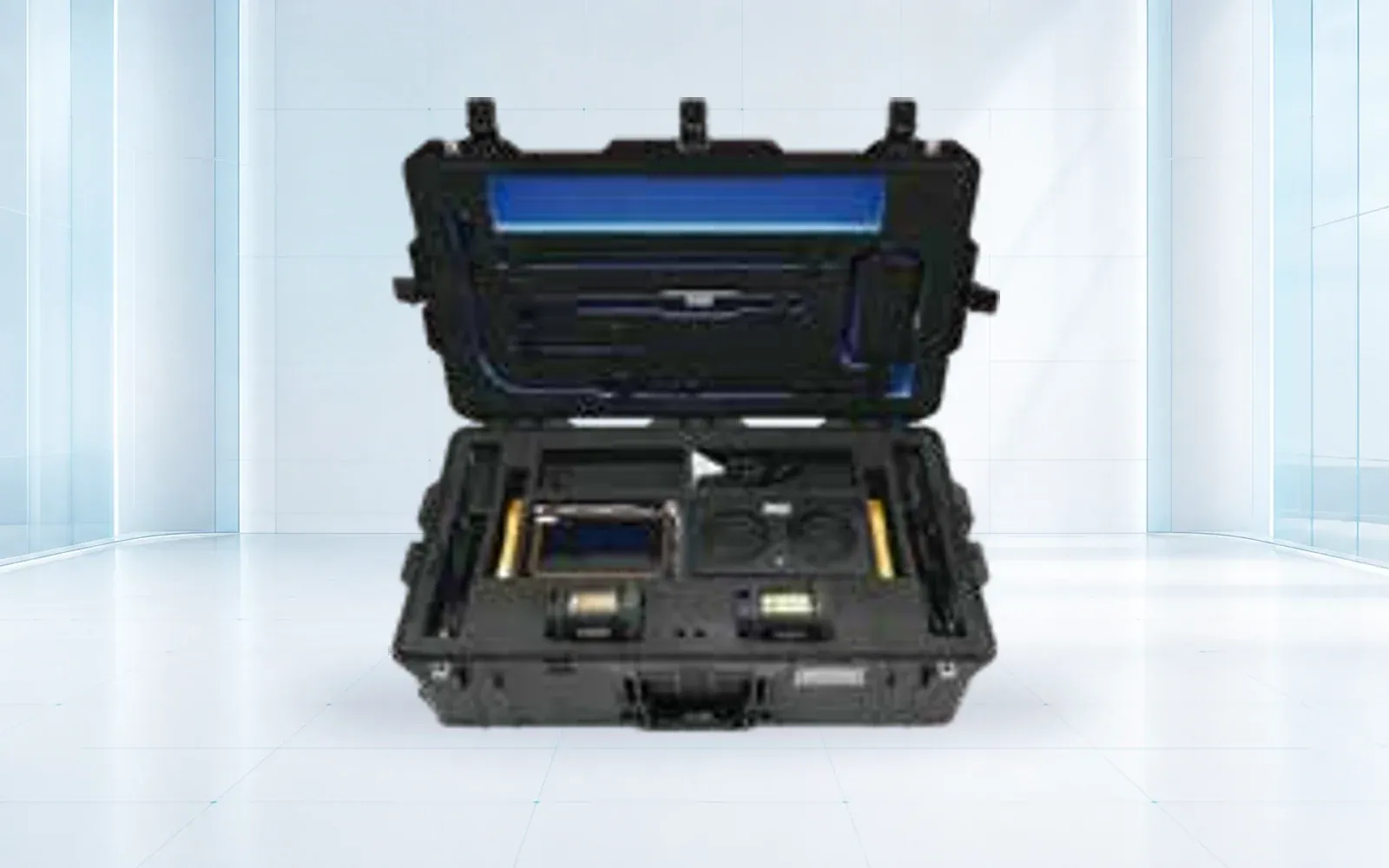
Cross-verified search
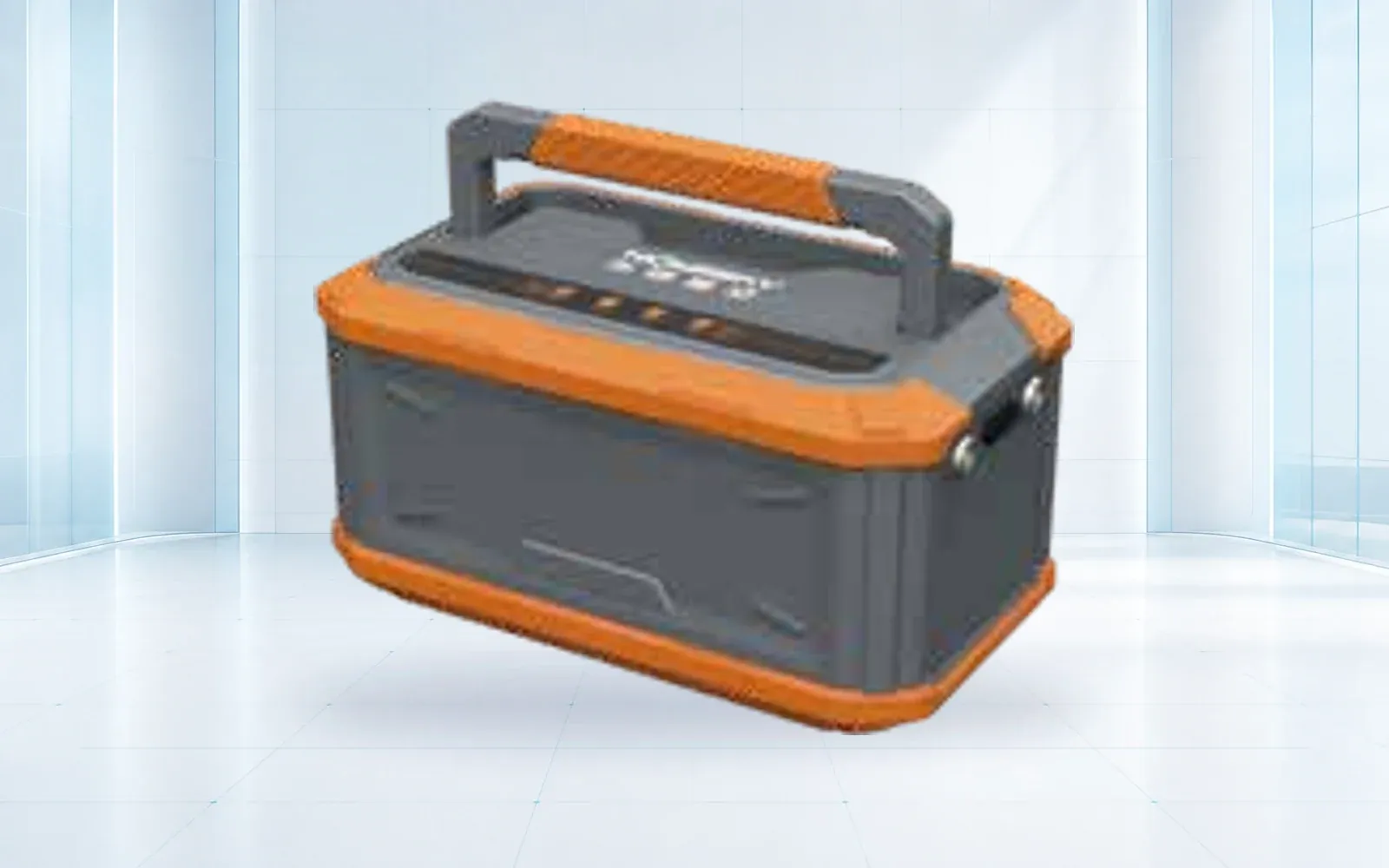
Compact search tool
Technology pillars
Compare OMNI UXV VTOL, multirotor and heavy-lift UAV reference configurations for inspection, mapping, logistics and public-safety missions.
Open category guide →Explore OMNI UXV radar, multimodal, airborne and through-wall life-detection systems for rescue and authorized tactical search.
Open category guide →No instrument should be treated as independent proof. Results require trained interpretation, repeat scanning and corroboration within the rescue plan.
It depends on access, hazards, crew, baseline control and device. OMNI UXV does not publish a universal scene-time promise without a defined exercise and acceptance method.
No. Availability depends on model, end user, destination, end use and applicable controls.
Evidence base
These sources provide public-sector or research context. The final project still requires destination-specific engineering, policy and legal review.
United Nations OCHA
Official reference for coordinated response to sudden-onset emergencies.
Share the mission, operating environment, existing systems, destination and required evidence. We will return a traceable architecture and configuration shortlist.
Start a technical inquiry