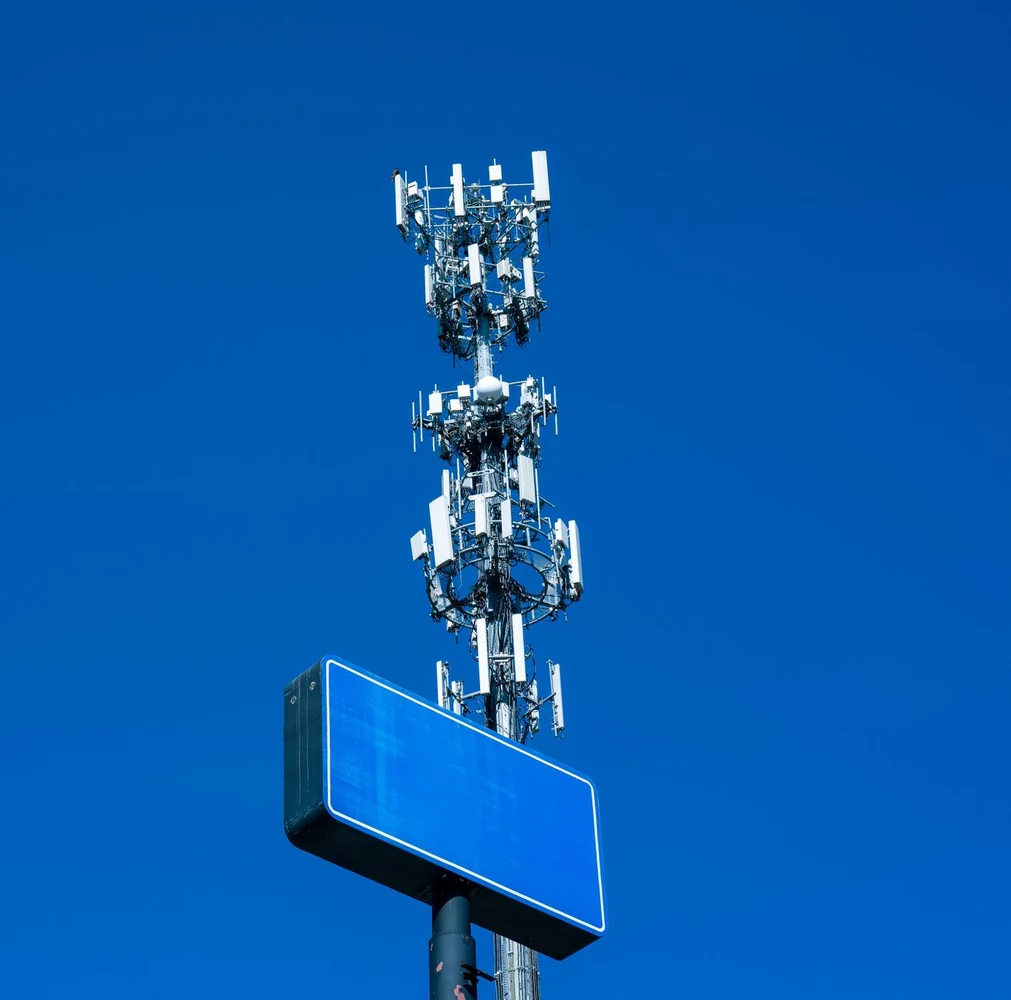
Remote ID decoding reads a cooperative broadcast; RF drone detection may recognize other radio activity; radar measures reflected energy. These inputs can complement one another, but they answer different questions. A receiver that displays a drone identifier does not establish complete coverage or permission to fly.
Table of Contents
Start with the information source
The FAA describes Remote ID as identification and location information transmitted by a drone through a broadcast signal. It distinguishes Standard Remote ID, an attached broadcast module and operations within a recognized identification area under the relevant conditions.
That distinction affects the receiver’s output. Standard Remote ID provides information about the drone and control station; a broadcast module includes the drone and takeoff location. A display should preserve that difference instead of relabeling every reported position as a moving pilot.
Remote ID drone detection is therefore a decoding and interpretation task, not a radar measurement. It reports what the broadcast says, which is different from an independently measured position.
RF detection is a broader term. Depending on the equipment, it can concern signal energy, a recognized protocol or decoded information. Remote ID itself uses radio, but a generic RF detector is not necessarily a Remote ID decoder.
A data-source comparison
A buyer evaluating a counter-UAS system should separate what is observed from what is inferred.
| Input | Direct observation | Interpretation that needs additional support |
|---|---|---|
| Remote ID broadcast | Received identification and location fields | Authenticity, current permission and completeness |
| RF signal classification | A signal matching defined features | Exact aircraft identity or payload |
| Direction finding | Direction estimates from radio reception | Position accuracy under the installed geometry |
| Radar track | A sequence of reflected-energy measurements | Visual identity or reason for flight |
| Camera observation | Visible or thermal scene detail | Legal authority and intent |
The comparison concerns information provenance. It does not rank every product in a sensor class. Actual outputs depend on the model, configuration, coverage and supported signals.

The existing RF detector evaluation guide covers field performance. A different question is how those observations should be represented in the receiving platform.
How should the platform combine conflicting positions?
Retain the original observations, their timestamps and their source identities. A fused display can show an association, but the operator should be able to distinguish a received broadcast position from an independently measured track.
For example, two inputs may disagree because they describe different times, use different reference conventions or have different uncertainties. Averaging coordinates without understanding those differences can create a precise-looking point with no defensible meaning.
A practical display can use three layers: the raw source observations, the current association, and the operator’s verified assessment. Each layer has its own age and confidence. If the association breaks, the raw observations should remain available rather than disappearing with the fused symbol.
A useful integration record contains source, observation time, receipt time, identifier type, coordinate reference and quality state. Correlation logic should also explain when an association expires. A stale broadcast should not continue to label a fresh track indefinitely.
Define the purchase around the operator’s decision
A cooperative fleet-monitoring task may primarily need identification reception and fleet matching. A critical infrastructure security task may need broader awareness, camera verification and incident handling. These are different purchase scopes, even when both displays show aircraft icons.
Use authorized controlled trials to inspect how the system handles known cooperative aircraft, missing input, lost association and ambiguous observations. Keep detection and any active countermeasure as separate capabilities with their own applicable authority.
The Remote ID fleet-compliance article remains the destination for operators preparing their own aircraft. For integrators, supplement the technical resources with a field dictionary and example exported events. An effective display answers “what did this sensor report, when, and with what interpretation?”—and keeps that answer visible after the fusion changes.
FAQs
Does a missing Remote ID message prove the aircraft is hostile?
No. Missing reception can have several explanations, and Remote ID compliance has defined operating pathways. Treat the observation as an information gap and use the authorized verification process.
Is a Remote ID location measured by the receiving sensor?
It is information transmitted in the broadcast, rather than an independent radar range measurement. Keep the origin of the location visible when correlating it with other observations.
Can one receiver be used as a complete drone detection system?
Only if the task is limited to the signals and area that receiver can observe. A broader site-awareness requirement needs assessment of silent, unsupported or unreceived targets and a verification workflow.
Should a fused track keep the original sensor data?
Yes, when the operator or incident record may need to explain the conclusion. Retain source, time, reference and quality with the fused state so a later review can reconstruct the association.