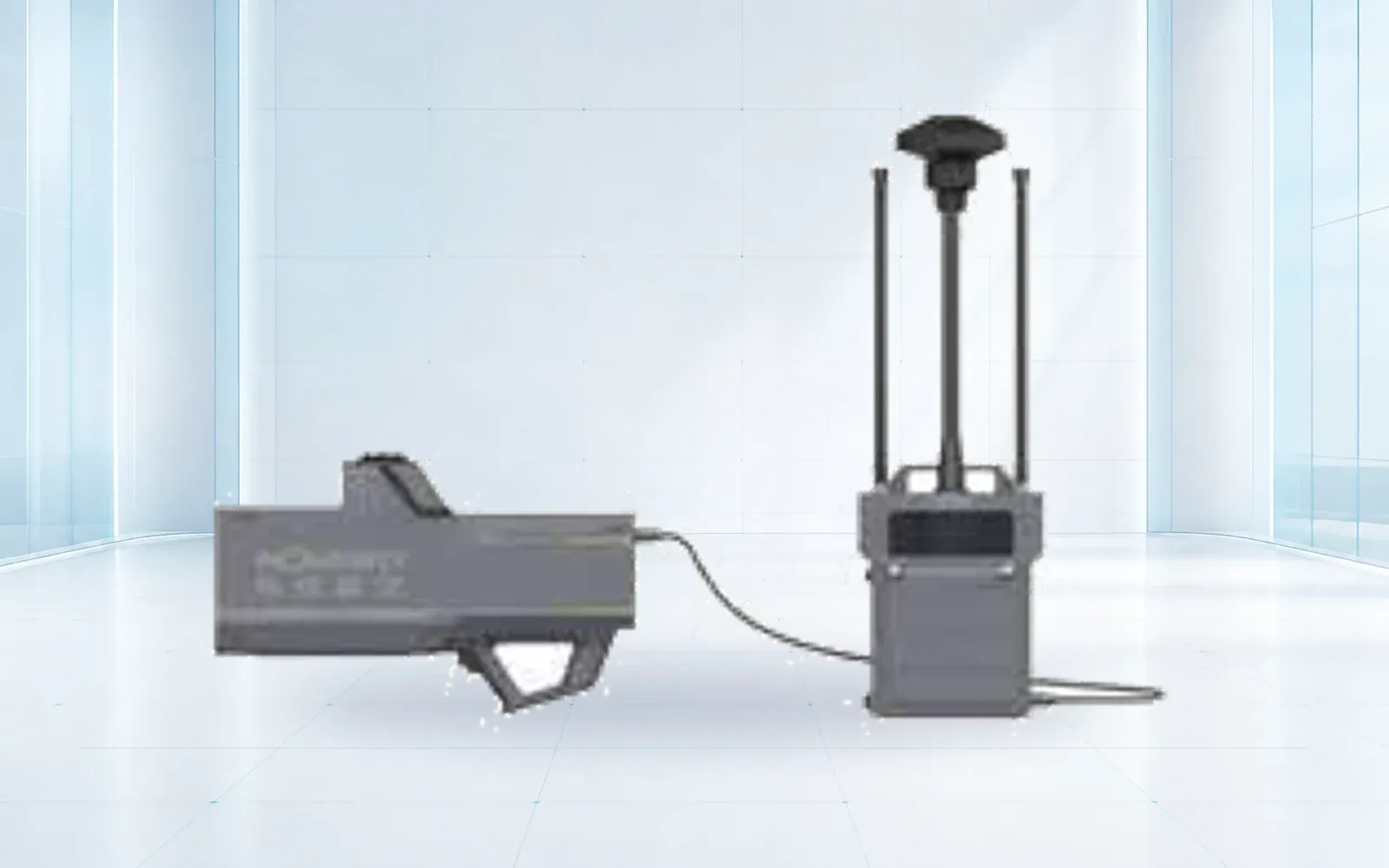
An RF drone detector can provide identity, protocol, direction or spectrum evidence without relying on the target's visual contrast. It still cannot observe a transmission that is absent, outside its coverage or indistinguishable from local radio traffic, so procurement must begin with signals and blind spots rather than a range headline.
Table of Contents
- Identify Which RF Signals the System Is Expected to Observe
- Separate Remote ID, Protocol Recognition, and Spectrum Detection
- Define the Blind Spots Before Discussing Detection Range
- Design Sensor Geometry for Direction Finding and Localization
- Integrate RF Alerts With Radar and EO/IR Verification
- Keep Passive Detection, Data Governance, and Mitigation Authority Separate
- Run a Field Evaluation That Includes Unknown and Silent Targets
- FAQs
Identify Which RF Signals the System Is Expected to Observe
List target aircraft, controllers, link modes, frequencies and mission states before discussing range. A consumer aircraft may emit command, telemetry, video and Remote ID signals. An enterprise platform may use a proprietary link, cellular service or an external modem. A preprogrammed aircraft can fly with little or no active command traffic.
Describe the detector’s intended output for each signal: energy event, protocol family, aircraft identity, controller identity, bearing, estimated position or a track over time. These outputs have different evidentiary value. A spectrum event near a known frequency is not equivalent to decoding a supported link.
Create a target-signal register and keep it configuration controlled. Aircraft firmware, controller mode and regional radio settings can change what is observable even when the airframe model is unchanged.
Separate Remote ID, Protocol Recognition, and Spectrum Detection
The FAA explains Remote ID as a broadcast capability that provides identification and location information for compliant operations in the United States; its current requirements and exceptions are maintained on the official Remote ID page. A receiver can decode that message, but a missing or invalid broadcast should not be treated as proof of hostile intent.
The operator’s responsibility is a separate workflow. The drone Remote ID fleet compliance guide connects declarations, serial numbers, registration and preflight checks without treating a broadcast receiver as an operating authorization.
Protocol-aware RF detection looks for supported command, telemetry or video behavior and may extract richer fields. Wideband spectrum monitoring looks for energy and signal characteristics without necessarily identifying a protocol. Direction finding adds an antenna and estimation layer to any signal the system can measure.
| RF approach | Typical output | Required condition | Acceptance question |
|---|---|---|---|
| Remote ID receiver | Cooperative identity and reported position | Valid broadcast within reception conditions | Does it decode, timestamp and mark invalid or duplicate messages correctly? |
| Protocol-aware detector | Supported link family and possible endpoint data | Recognized active protocol | Which firmware and link modes are in the maintained library? |
| Spectrum monitor | Frequency, time and signal features | Sufficient emitted energy in monitored band | Can operators separate relevant events from site traffic? |
| Direction-finding sensor | Bearing or bearing quality | Observable signal and suitable antenna geometry | What is the error distribution by bearing and environment? |
| Multi-site localization | Estimated emitter location | Multiple usable observations and timing or geometry | How does location uncertainty change across the protected area? |
Define the Blind Spots Before Discussing Detection Range
An RF-silent aircraft, an unsupported link, a frequency outside the installed configuration or a signal hidden by interference is a designed blind spot, not an unusual exception. Cellular and satellite paths may present different observability than direct controller links. Shielding, terrain, buildings and low antenna height also reduce received energy.
Range must identify the target signal, transmit state, antenna placement, propagation environment, probability of detection and alert definition. A brief energy detection at long distance is not the same as sustained protocol identification or a stable bearing.
The site still needs a non-RF layer for silent or ambiguous targets. The drone detection technology comparison explains how radar and EO/IR cover different observables without claiming that any one modality closes every gap.
Design Sensor Geometry for Direction Finding and Localization
A single direction-finding station produces a bearing with uncertainty, not a guaranteed point location. Reflections can rotate or split the apparent direction. Two or more sites can intersect bearings, but poor crossing angles, shared interference and inconsistent clocks can enlarge the location error.

Survey line of sight, mounting height, polarization, cable loss, grounding, nearby emitters and backhaul. Map the expected bearing quality and localization geometry across the protected volume. Include health monitoring for antennas, timing and network links so a failed station does not silently degrade the solution.
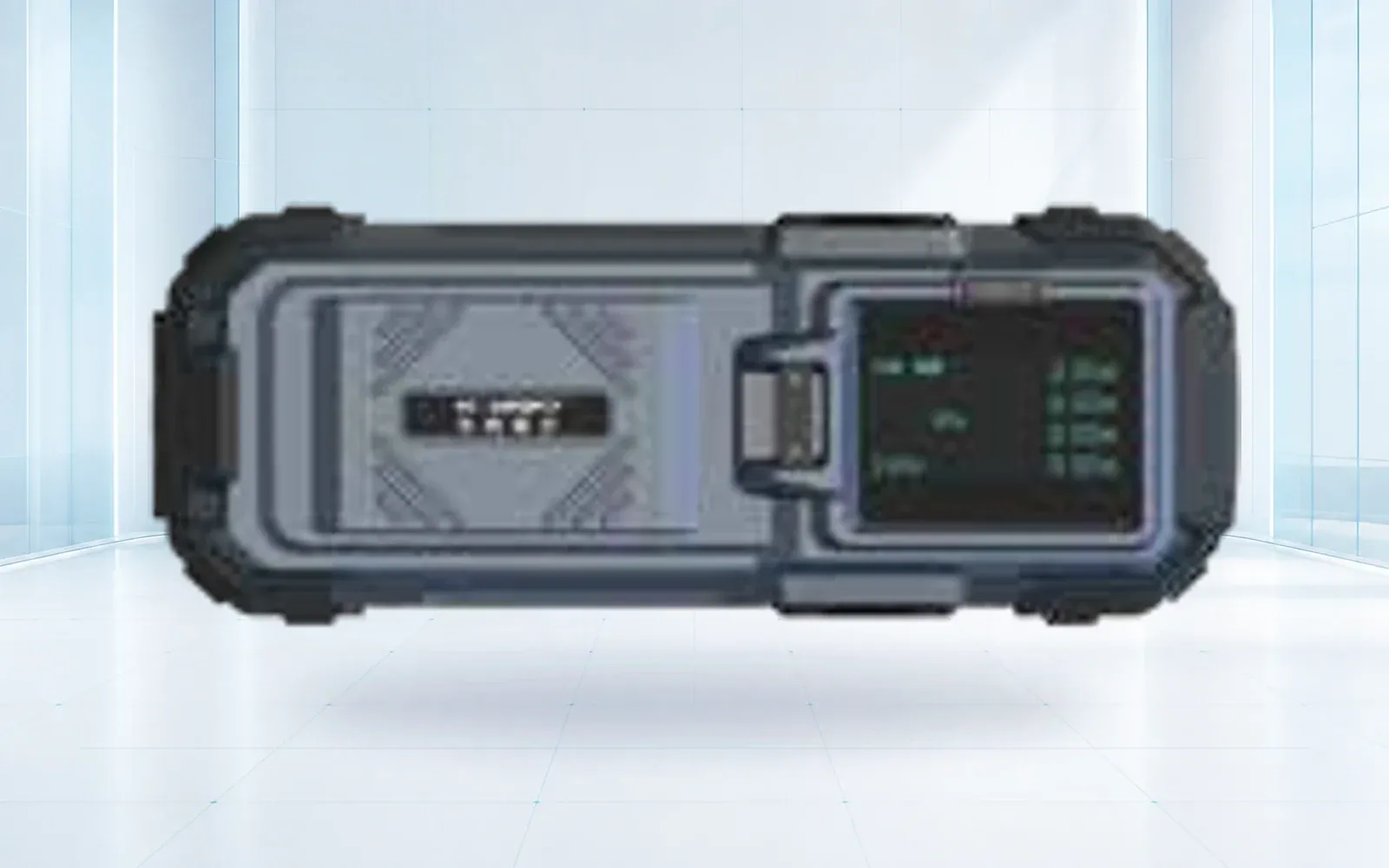
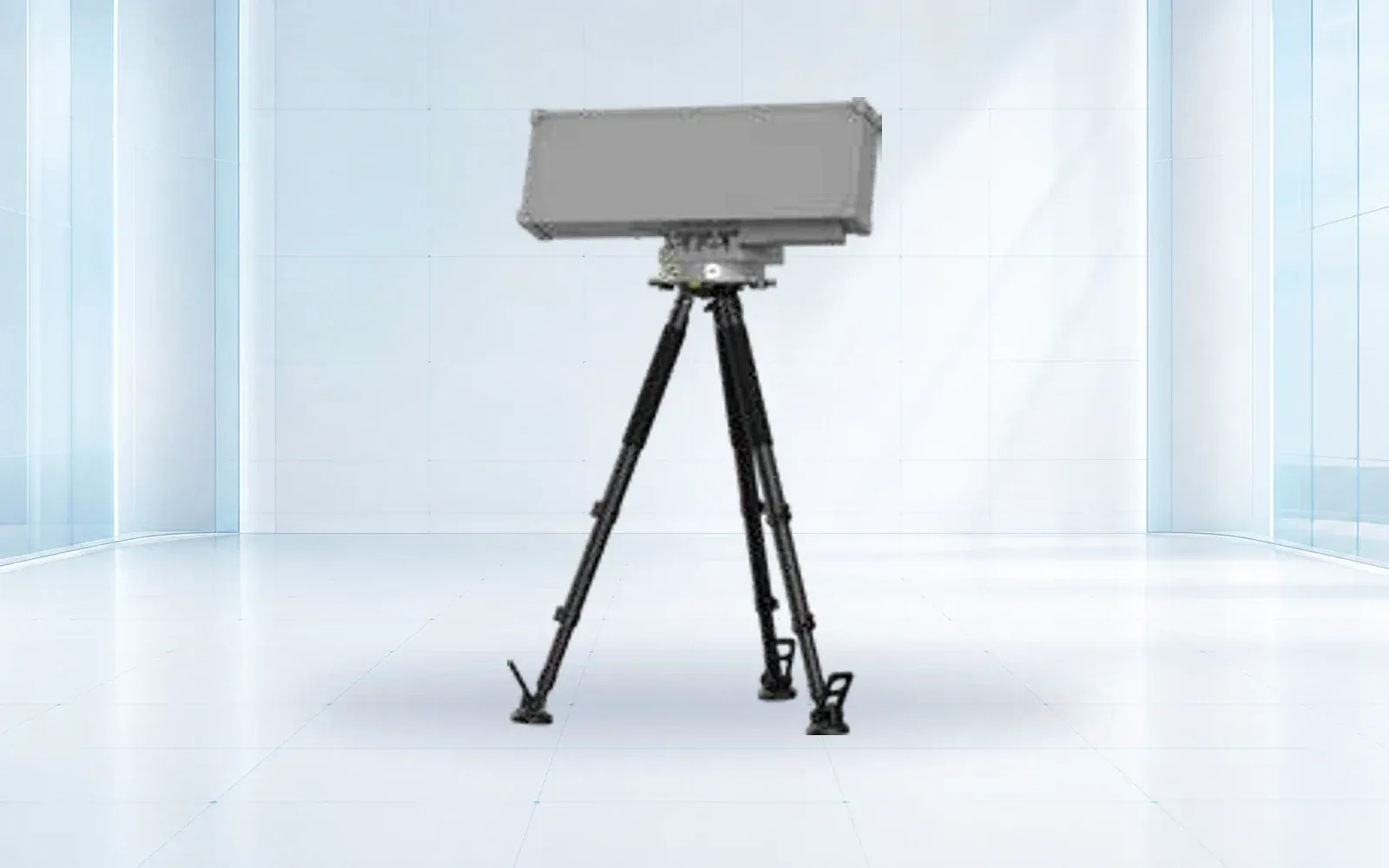
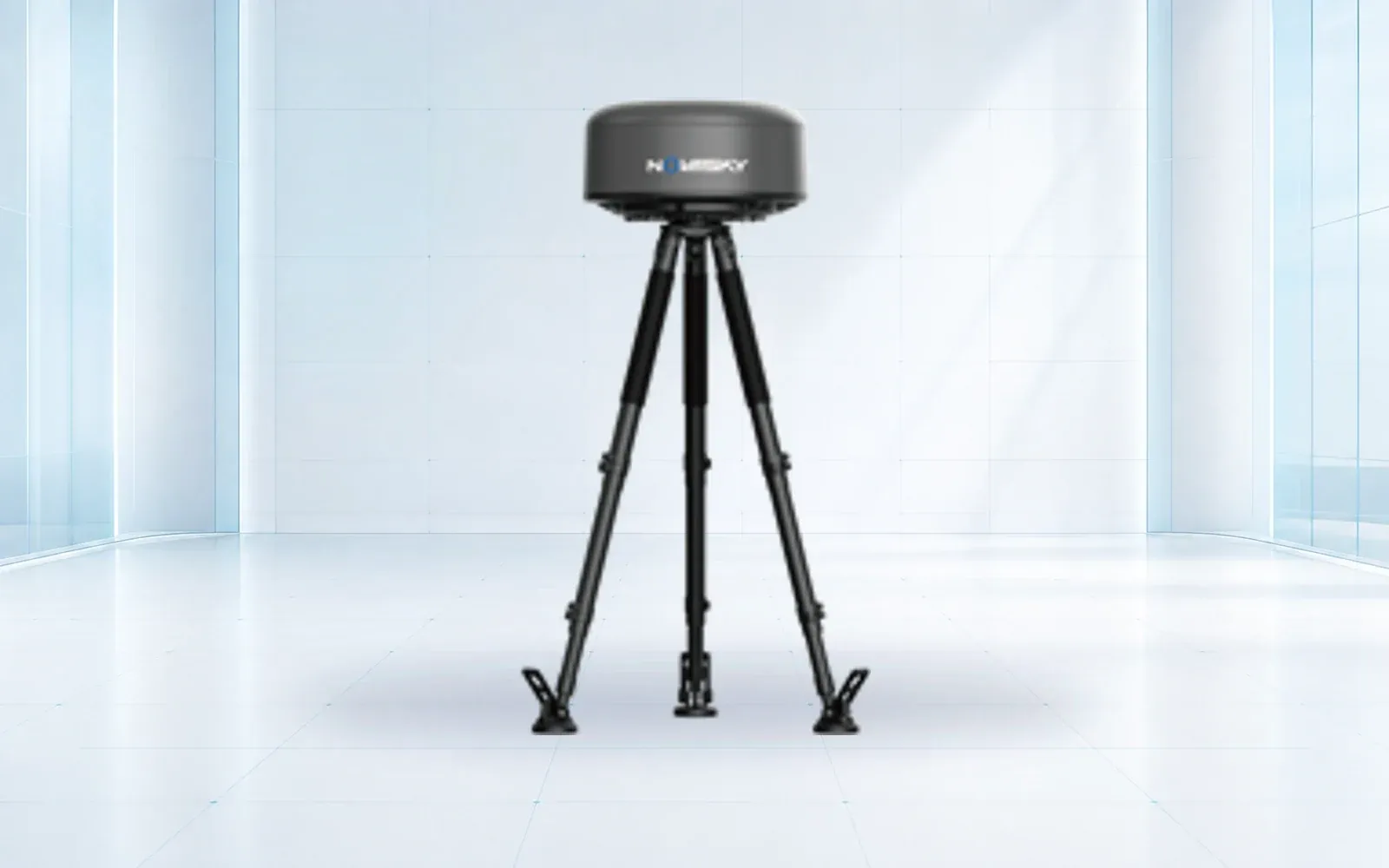
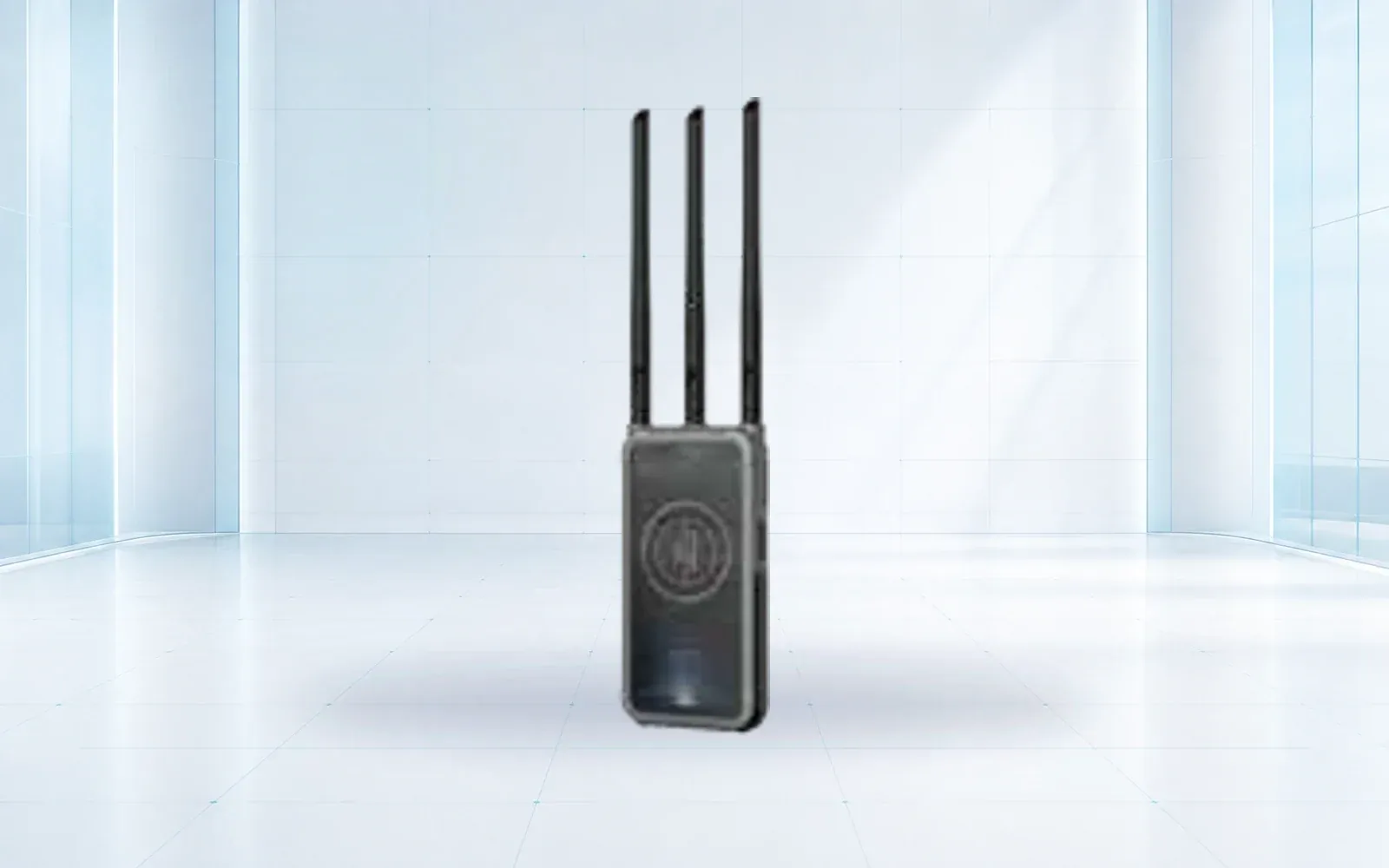
Fixed projects may start with an NI-S3000 RF detector; mobile tasks may consider an NI-S2000H handheld locator or NI-SJG2000B backpack system. Their exact bands, outputs and location methods must be verified for the offered configuration.
When the mission is specifically mobile, the portable drone detector buyer’s guide turns these RF limits into a handheld-versus-backpack specification, field-kit checklist, and acceptance-test plan.
Integrate RF Alerts With Radar and EO/IR Verification
Preserve the RF source event when combining sensors. Send time, frequency or protocol result, bearing or location with uncertainty, confidence, sensor health and the raw-event reference. Radar can test whether an airborne track is present; EO/IR can provide visual context when it receives a usable cue.
Fusion should allow disagreement. An RF event without a radar track may be a controller, a ground device, a masked aircraft or nuisance traffic. A radar track without RF may be an autonomous aircraft, bird or other object. The operator needs source-level evidence rather than a single unexplained red icon.
Use the counter-UAS selection guide to place this RF layer in the complete detect, verify, decide and respond workflow.
Keep Passive Detection, Data Governance, and Mitigation Authority Separate
Passive does not mean unregulated or consequence-free. RF systems can collect identifiers, location estimates and device behavior, so projects need a defined purpose, access roles, retention, audit, cybersecurity and disclosure rules. Confirm spectrum-monitoring and privacy obligations for the relevant jurisdiction.
Detection also does not grant interference or takeover authority. The U.S. Federal Register’s 2026 rulemaking on counter-UAS authority for eligible state, local, tribal and territorial agencies shows that authority is entity- and process-specific. Buyers should obtain legal review rather than infer permission from hardware capability.
DHS’s C-UAS purchasing tool is a useful U.S. procurement resource, not an endorsement of a particular supplier or a substitute for site authorization.
Run a Field Evaluation That Includes Unknown and Silent Targets
Build a blinded event schedule with supported and unsupported aircraft, several firmware and link modes, Remote ID present and absent, multiple simultaneous aircraft, controller-only events, non-drone emitters and approved silent-target cases. Fly from different bearings and behind representative obstructions.
Measure detection opportunity, classification, bearing and location error, time to alert, sustained observation, duplicates, false alerts by cause, operator workload, database version, outages and recovery. Preserve missed opportunities instead of removing them from the denominator.
Run the trial at the intended site and operating hours. The RF environment changes with events, shifts and seasonal activity. Require a retest plan for major library, antenna, site or software changes.
Use the critical infrastructure protection solution to define the protected volume and response workflow, and the compliance library to record the authority review. For a field-evaluation matrix, contact OMNI UXV with the target library, site spectrum, required outputs and verification sensors.
FAQs
Can an RF drone detector detect every drone?
No. Detection depends on whether the aircraft or controller emits an observable signal, whether its frequency and protocol fall inside the system's coverage, the received signal conditions and the detector's method and library. Autonomous or unsupported links may be missed.
Is Remote ID detection the same as RF drone detection?
No. Remote ID reception decodes a defined cooperative broadcast. RF detection can also search for control, telemetry or video links, recognize supported protocols or analyze wider spectrum activity without receiving a valid Remote ID message.
Can an RF detector locate both the drone and the operator?
Some systems can estimate bearing or location for particular signals, but results depend on antenna geometry, synchronization, propagation, protocol support and whether both endpoints transmit. Buyers should test aircraft and controller localization separately.
How should buyers test an RF drone detector?
Use known and unknown protocols, Remote ID present and absent, autonomous or silent cases, multiple aircraft, real site interference, several bearings and ranges, negative controls, approved sensor outages and complete alert and raw-event logging.