
Capability does not create authority
A sensor or response feature may be technically available without being lawful for the user, place or incident.
Authorized situational awareness · Reference architecture
A governed architecture for aerial observation, low-altitude alerts, restricted sensing and incident evidence with human authorization at every response step.
Operating context
Public-safety technology carries high evidentiary, privacy and proportionality requirements. Technical capability does not establish legal authority, and the most restrictive feature should not define the whole procurement.
The reference architecture emphasizes detection, verification and documented human decisions. Through-wall and active RF capabilities are separated and made conditional on qualified end users, destination law and approved procedures.
Problem definition
These challenge areas determine the architecture, operating model and acceptance evidence for the site.
A sensor or response feature may be technically available without being lawful for the user, place or incident.
Witness, radar, RF, camera and operator assessments carry different confidence and should not collapse into one label.
Location, imagery, identifiers and operator actions need a purpose, access rule, retention path and reviewable audit.
Layered architecture
Product references show a viable starting point. Interfaces, quantities, ranges and legal availability are confirmed during project engineering.
A rapidly deployable multirotor supports scene overview and targeted observation.
Radar, RF and visual systems detect and verify small aircraft around temporary or fixed sites.
Through-wall systems are evaluated only for authorized users, purposes and procedures.
A configured platform manages roles, maps, acknowledgements and evidence links.
Operating model
The operating model gives every sensing and platform layer a defined input, handoff and output.
Record report source, time, location, consequence and immediate safety information.
Output: Structured incident intake
Preserve each sensor observation and seek compatible visual or identity evidence.
Output: Confidence-based event state
Apply zone, consequence, policy and the permission of the responsible role.
Output: Documented escalation decision
Handoff to partner agencies and export a complete, attributable timeline.
Output: Reviewable incident package
Implementation sequence
The sequence is intentionally phased so that site facts, interfaces and operator behavior can change the design before broad deployment.
Map legal basis, permitted scenarios, approvals, privacy and disclosure requirements.
Practice false alarms, ambiguous results, denied actions and evidence export.
Review access, incidents, retention, complaints, configuration and policy changes.
These are design outcomes, not a claim that a specific result has already been achieved at an unnamed customer site. Project acceptance criteria are agreed for the configured system.
Acceptance matrix
| Area | Requirement | Evidence |
|---|---|---|
| Triage | Operators distinguish report, detection, classification, identification and escalation. | Scenario decision record |
| Authority control | Restricted actions are visible only to the appropriate role and procedure. | Role and denied-action test |
| Partner handoff | The responsible agency receives usable location, confidence and evidence. | Coordinated exercise timing |
| Evidence governance | Source records, access, export, retention and deletion are auditable. | Incident and audit package |
Equipment context
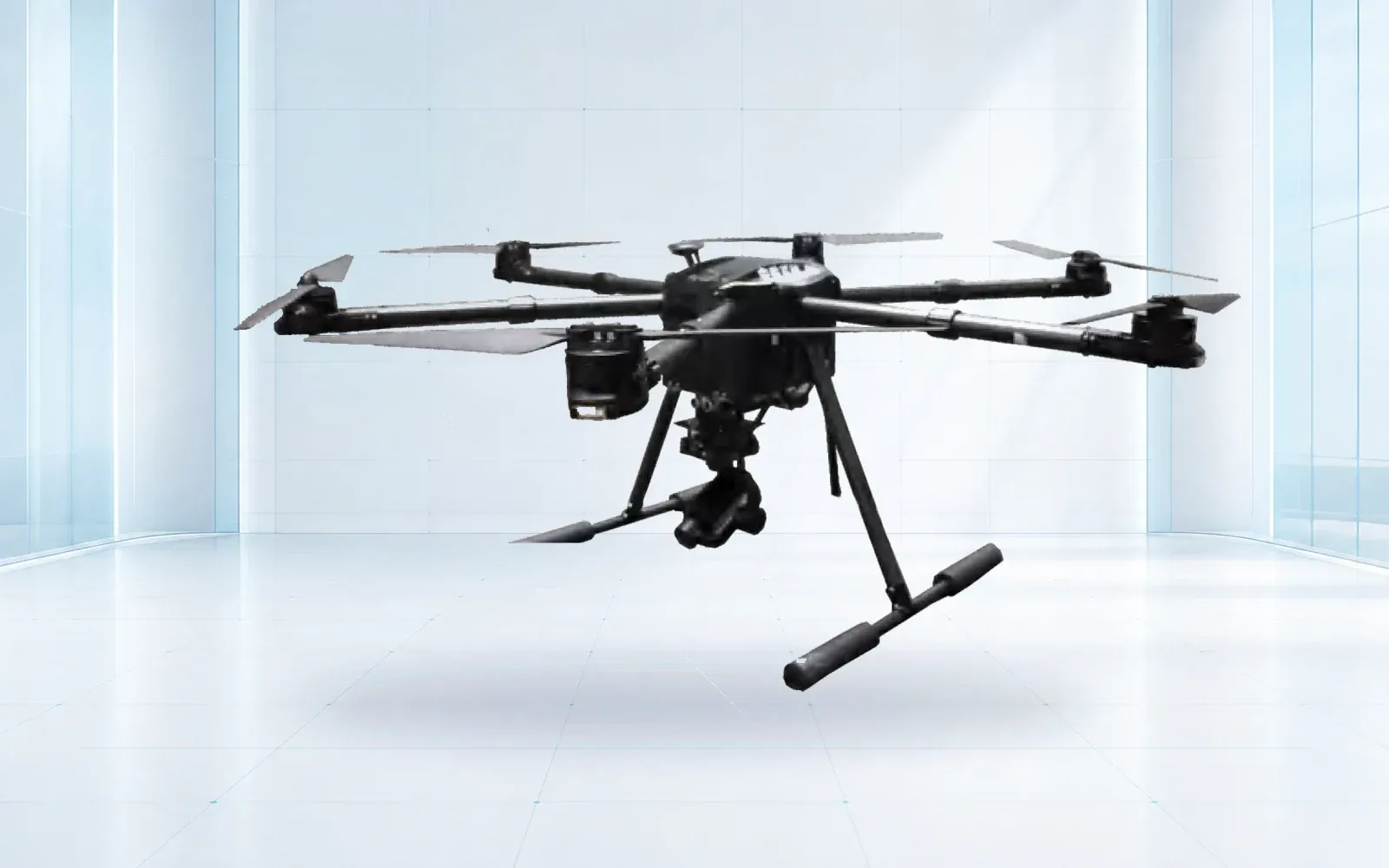
All-weather multirotor
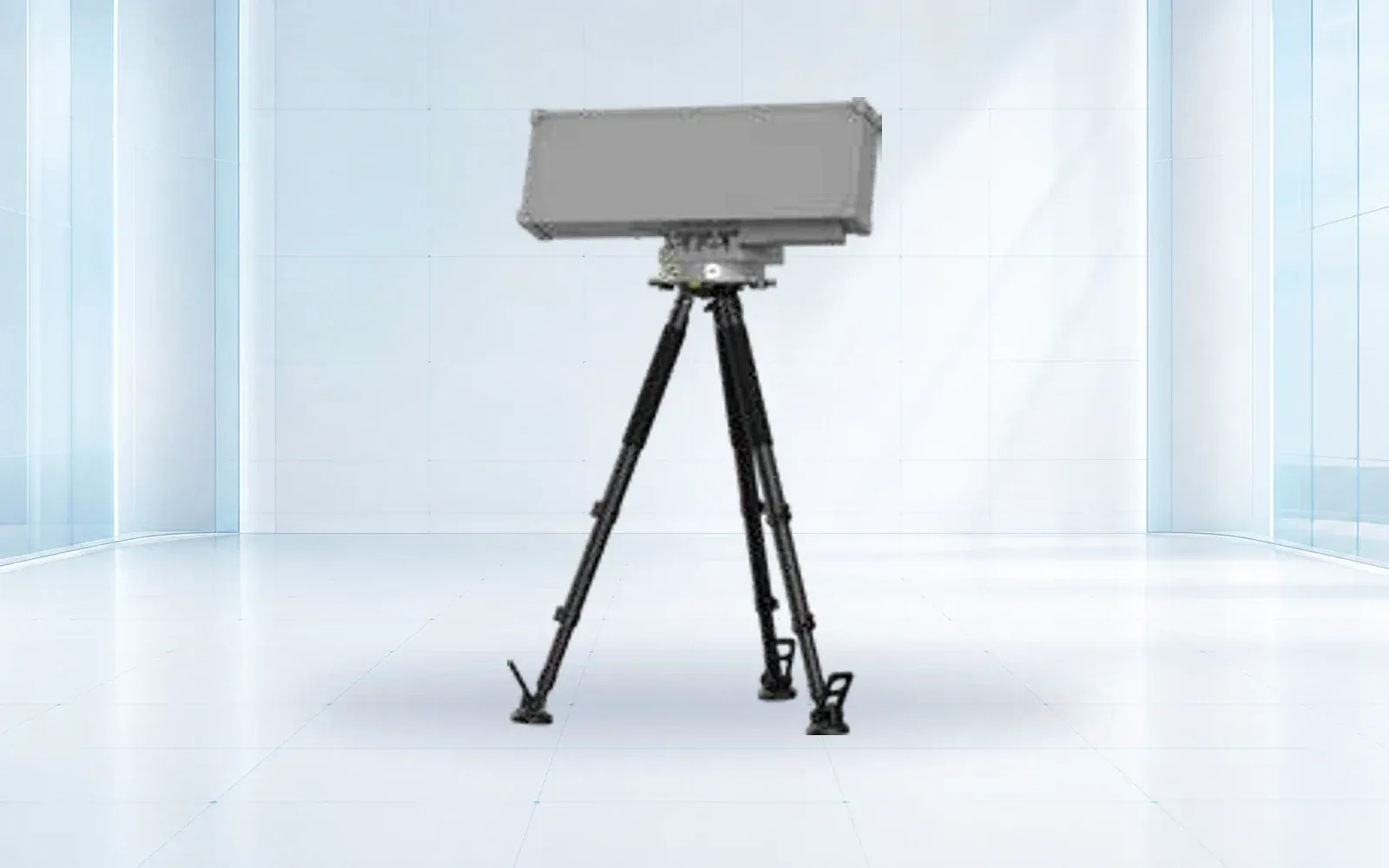
Low-altitude detection
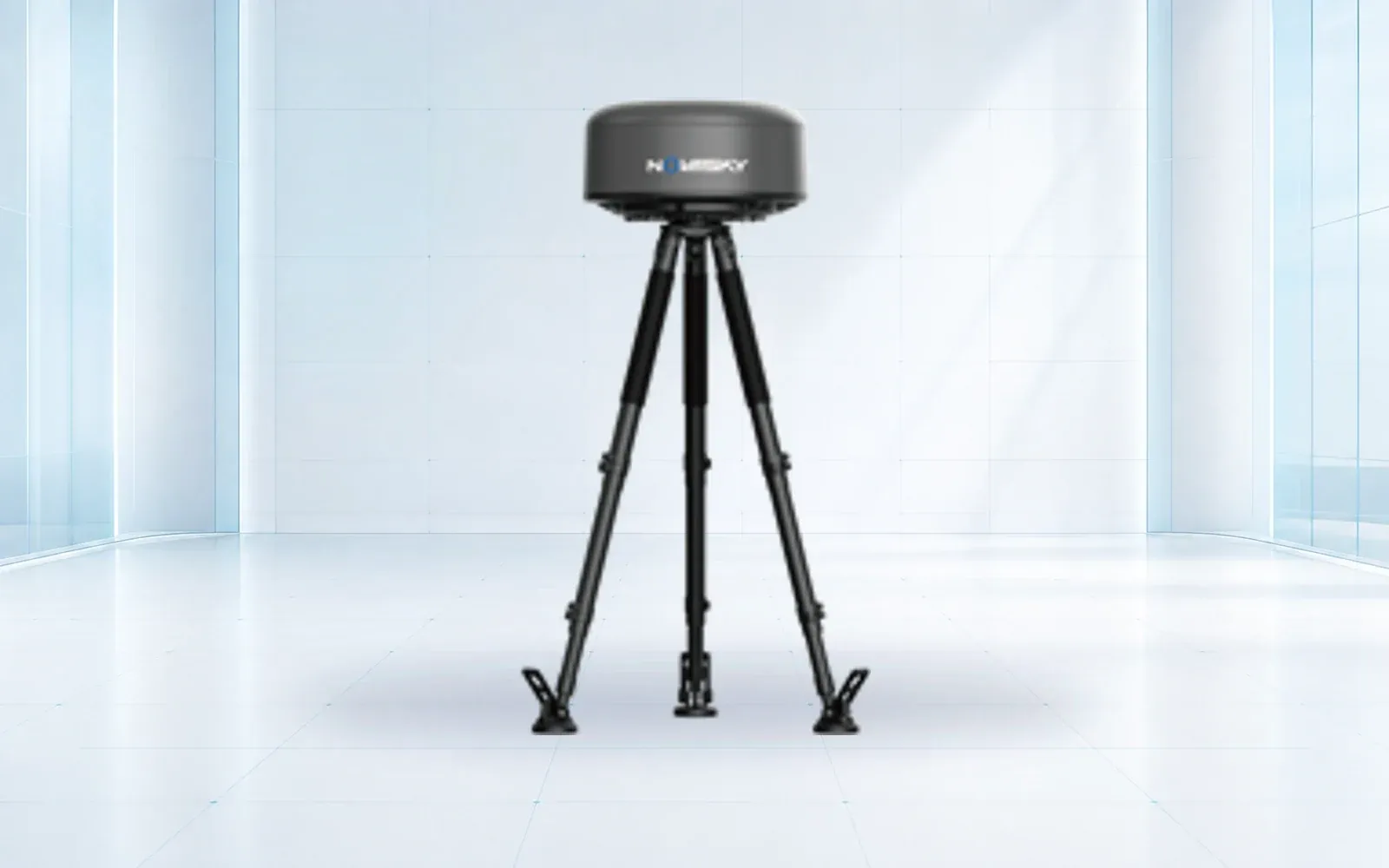
Passive spectrum awareness
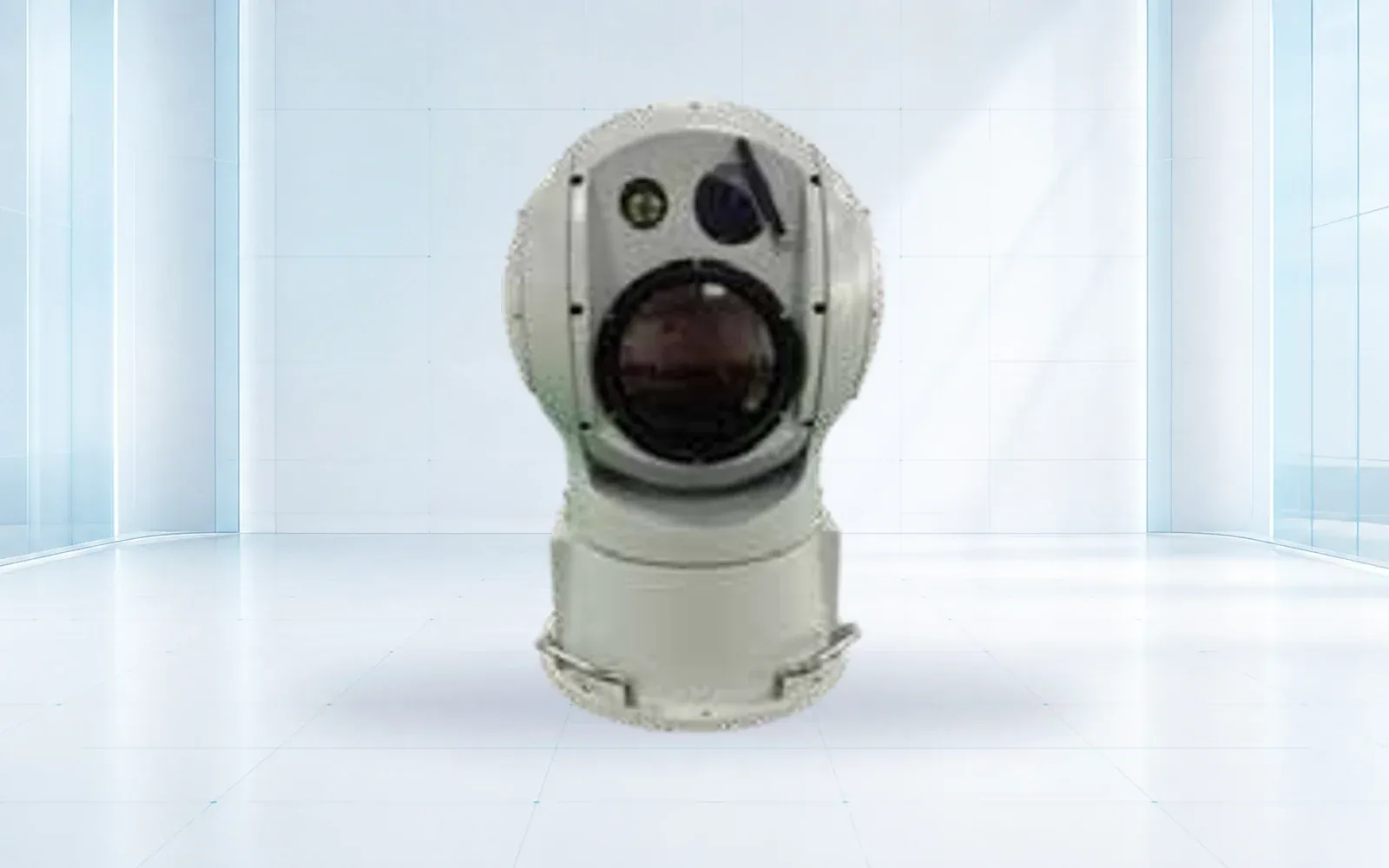
Visual confirmation
Tactical awareness
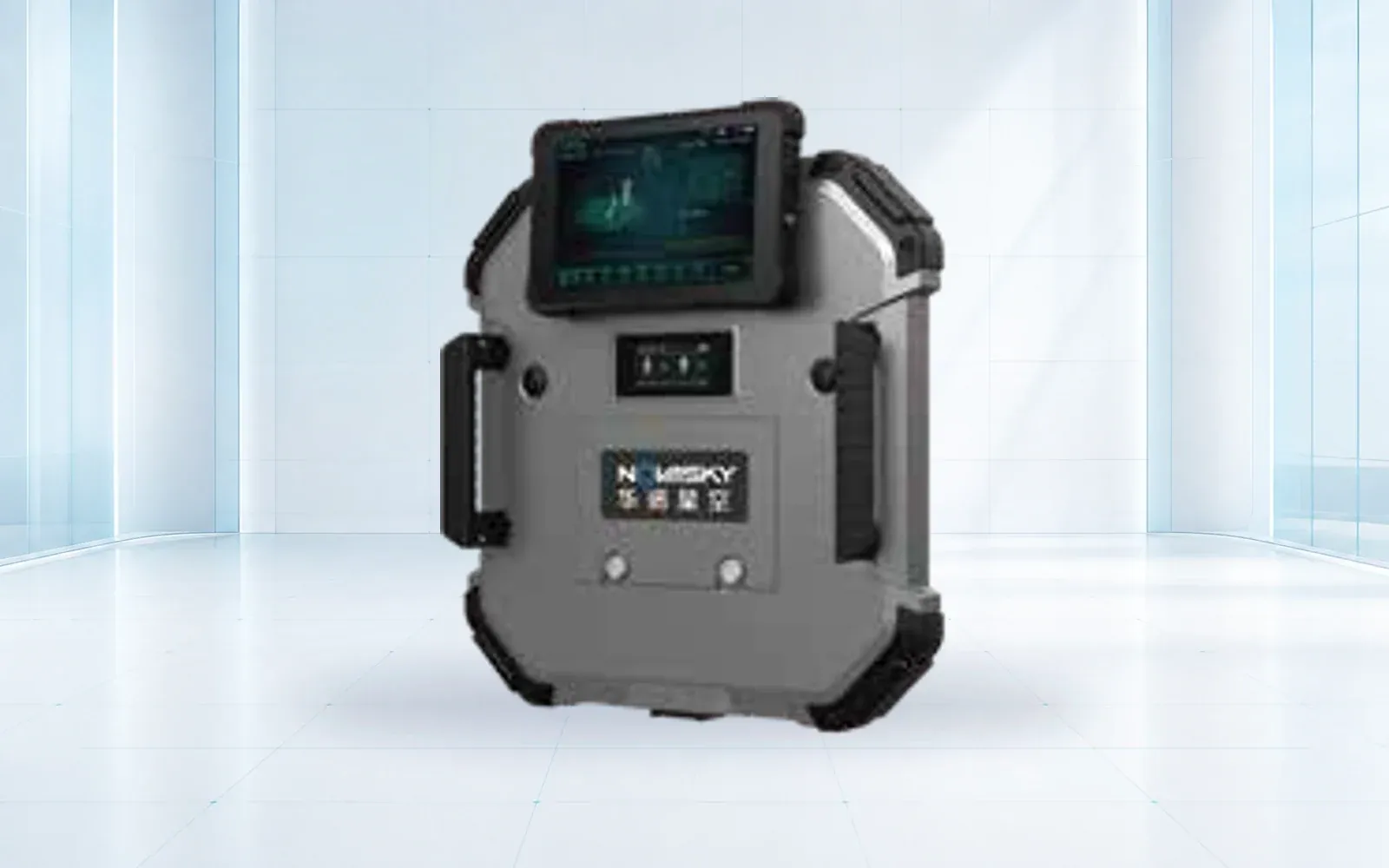
Spatial tactical sensing
Technology pillars
Compare OMNI UXV VTOL, multirotor and heavy-lift UAV reference configurations for inspection, mapping, logistics and public-safety missions.
Open category guide →Compare OMNI UXV radar, RF, electro-optical, jamming and navigation-response components for layered low-altitude security projects.
Open category guide →Explore OMNI UXV radar, multimodal, airborne and through-wall life-detection systems for rescue and authorized tactical search.
Open category guide →Explore OMNI UXV IRVMS command platforms for site-wide sensor integration, alert verification, mapping and coordinated incident workflows.
Open category guide →No. The buyer and end user must obtain qualified, jurisdiction-specific authority. OMNI UXV performs transaction and end-use review and may limit availability.
Yes. Detection, visual verification, evidence capture and physical response coordination can be deployed without active RF measures.
Retention should be purpose-limited, legally grounded, access-controlled and auditable, with a documented deletion and disclosure process.
Evidence base
These sources provide public-sector or research context. The final project still requires destination-specific engineering, policy and legal review.
U.S. Federal Aviation Administration
Current official public-safety guidance for drone programs, reports and authority.
U.S. Department of Homeland Security
Reference for privacy controls around multiple surveillance technologies.
Share the mission, operating environment, existing systems, destination and required evidence. We will return a traceable architecture and configuration shortlist.
Start a technical inquiry