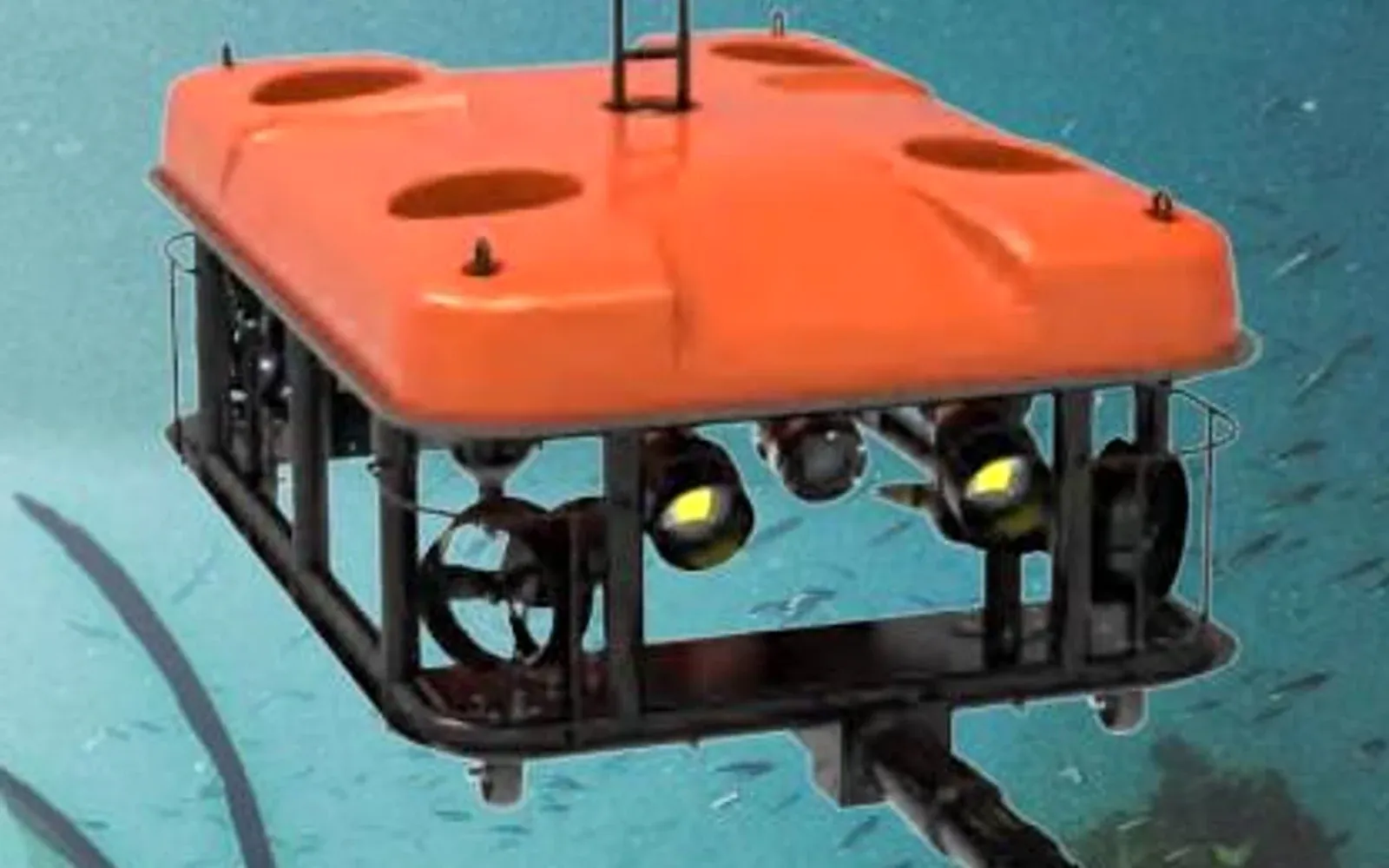
Underwater hull cleaning is a controlled removal and waste-management operation, not just a robot moving across steel. The selection depends on fouling condition, coating limits, access to niche areas, debris capture and permission at the intended port. A useful trial proves what was cleaned, what was released or collected, and what condition the coating was left in.
Table of Contents
Start with Fouling, Coating and Permission
A ship that needs light, frequent cleaning presents a different problem from one carrying established macrofouling. The coating may also differ in age, condition and permitted cleaning method. Treat those as selection inputs, not details to discover after a cleaning system arrives.
Collect the vessel’s relevant maintenance history, coating information, recent inspection images and the proposed port or anchorage. Establish who can approve the method, who represents the coating supplier and who is responsible for waste handling. If those responsibilities are unclear, a fast robot will not resolve the uncertainty.
The IMO biofouling guidance page connects the 2023 Biofouling Guidelines with the 2025 guidance on in-water cleaning. It also describes work toward a legally binding international framework. As reviewed in August 2026, that development should not be described as a completed new worldwide cleaning permit regime. Local requirements can already apply and must be checked separately.
The environmental question is what the operation removes and where that material goes. A visually cleaner surface can still be an unacceptable outcome if the method damages the coating or releases material contrary to the applicable permission.
Separate Grooming from Removal of Established Fouling
Do not write one cleaning specification for every condition. Light preventive work and removal of established fouling can place different demands on the tool, coating and waste system.
A proposal should identify the fouling conditions it is intended to treat, the supporting inspection method and the point at which the job must be reassessed. Avoid a universal brush pressure, speed or contact-force value. The permitted operating envelope depends on the equipment, surface, coating and agreed procedure.
Ask the supplier to distinguish normal performance from exclusions. A result on a flat, accessible test panel does not establish performance around an appendage or damaged coating. Include the difficult geometry in the qualification plan, but do not turn the vessel into an uncontrolled experiment.
The inspection baseline should identify existing coating defects. Without it, the operator cannot reliably separate pre-existing damage from damage associated with cleaning. Preserve the before-and-after evidence with location and time rather than presenting two unconnected photographs.
Treat Capture as a System, Not an Attachment
A capture arrangement includes more than a skirt around a cleaning head. The removal zone, containment, fluid transfer, separation, storage, discharge and disposal route all need to function together. Define how the operator knows that capture performance has degraded or a component has stopped working.
Review hose routing and pumping with the same care as the vehicle. Changes in head position, surface geometry or flow can alter how material enters the capture system. A successful demonstration should represent the intended range of conditions, not only the easiest surface orientation.
The public scope of ISO 20679:2025 concerns independent performance testing of in-water cleaning systems, including removal and, where applicable, capture and disposal. It does not set every authority’s acceptance criteria. Obtain the full applicable document and the actual test report when making a procurement decision.
Ask what the evidence measures
A percentage without a defined denominator is not useful. Clarify whether a report concerns material removed, material captured, treated discharge or another quantity. Check the test surface, fouling type, operating conditions, sampling method and limitations.
For a vessel job, agree on what will be monitored during operation and what records will demonstrate that the permitted method was followed. Do not replace those records with a supplier’s general environmental statement.
Match the ROV to Hull Geometry
The cleaning path crosses flat plating, curved surfaces, welds and transitions. Niche areas may be inaccessible to the main vehicle or cleaning head. Make a coverage map that distinguishes planned treatment, separately treated areas and exclusions.
Evaluate attachment or adhesion, maneuvering, cable and hose loads, tool contact, visibility and recovery. Navigation aids can help document a path, but a track alone does not prove that every part of the footprint received effective treatment.
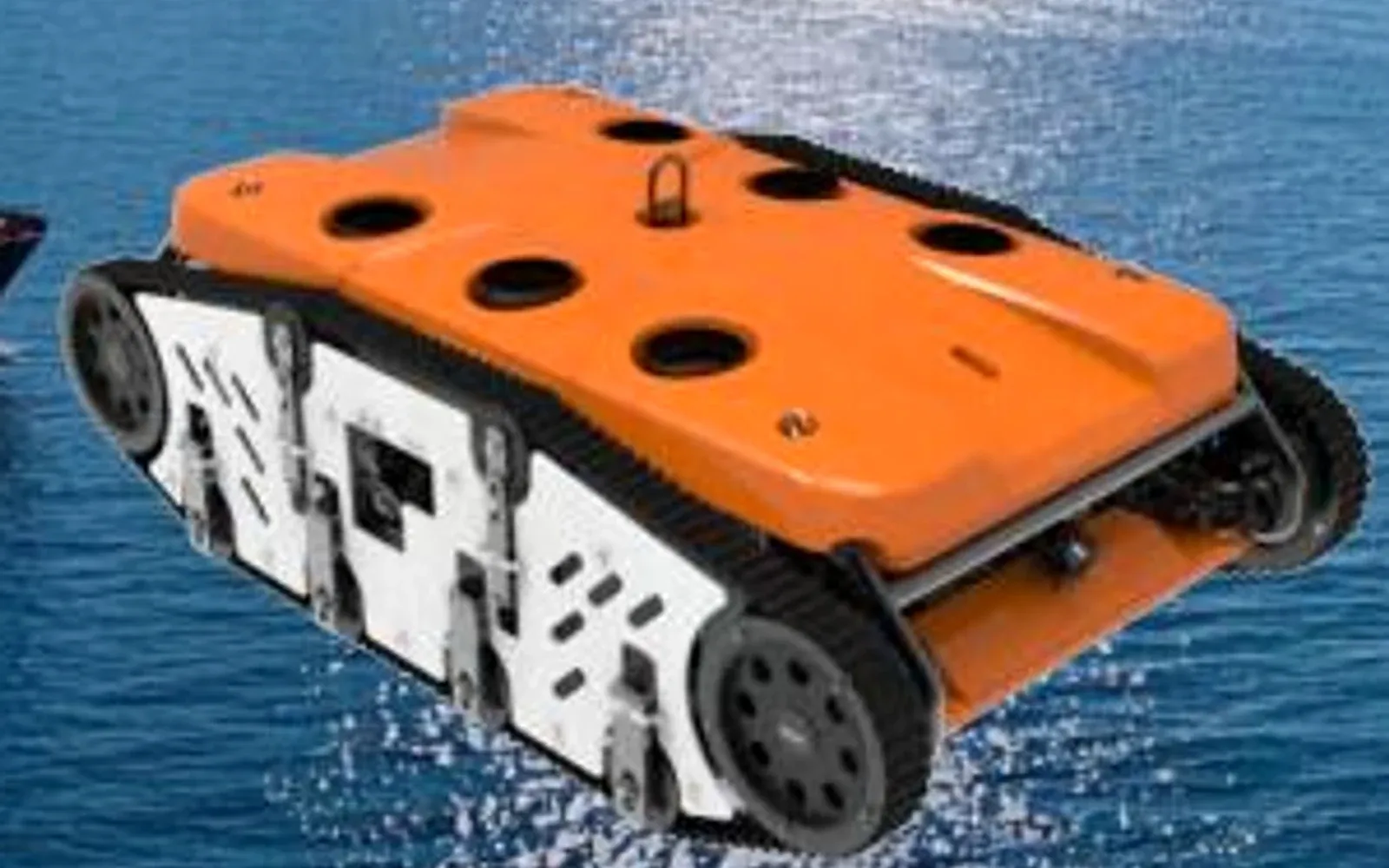
The Q180 hull and dam cleaning ROV is described in the current catalog with an adaptive cleaning disc, wheel odometry and optional positioning. Those features make it a configuration candidate. They do not establish an independently verified capture rate, permission to clean a particular coating or compliance with a named port’s rules.
Request configuration-specific answers. Identify which equipment is included, what remains an integration task and which claims require a representative trial.
Run a Representative Cleaning Trial
Agree on the acceptance method before starting. A useful trial is small enough to control yet representative enough to expose the constraints that will govern the job.
| Acceptance area | Evidence to collect | Reason to withhold acceptance |
|---|---|---|
| Removal effectiveness | Location-linked pre/post inspection and untreated-area record | Claimed coverage cannot be verified |
| Coating condition | Baseline and post-cleaning assessment under the agreed method | New damage or an unresolved coating concern |
| Capture and discharge | Applicable measurements, system-state records and disposal evidence | Capture interruption or unverified discharge arrangement |
| Difficult geometry | Recorded performance at approved transitions and niche areas | A flat-panel result is used to claim inaccessible coverage |
| Position and coverage | Traceable route tied to the vessel inspection map | Duplicate passes are counted as unique treated area |
| Recovery and interruption | Demonstrated approved stopping and recovery procedure | A fault leaves no safe, documented response |
These are procurement questions, not substitute pass/fail limits for a regulator or coating authority. Define the actual thresholds with the responsible parties and retain the basis for them.
Measure productive work separately from setup, repositioning, blockage management, inspection and recovery. A headline area-per-hour value may describe only ideal cleaning motion. The commercial schedule needs the complete operation.
Hand Back a Traceable Cleaning Record
ISO 6319:2026, published in March 2026, addresses planning, conducting and documenting in-water cleaning. Its role differs from a performance-testing standard. For a buyer, the useful distinction is between evidence that a system can perform and evidence of what happened during this vessel’s job.
The handover should identify the vessel, location, permissions, equipment configuration, coating and fouling baseline, treated areas, exclusions, interruptions and post-cleaning findings. Include the relevant capture, discharge and waste records. Keep the record usable for the next port call and the next inspection, not only for invoice approval.
The port asset evidence-lifecycle guide explains how inspection records remain connected over time. Cleaning adds an intervention to that chain; the record should preserve what changed and why.
Use the underwater systems category and port and water solution to define the wider equipment and operational interfaces. The product catalog can support a configuration schedule, but it cannot replace local permission or coating approval.
For a scoped equipment review, send OMNI UXV the vessel geometry, fouling baseline, coating constraints and required capture arrangement.
FAQs
Does a hull-cleaning ROV automatically include debris capture?
No. Capture depends on the supplied cleaning head, containment, pumps, separation, discharge and waste-handling arrangement. Ask for the complete configuration and independent evidence; do not infer capture capability from the presence of a cleaning disc.
Does ISO testing allow hull cleaning in every port?
No. Test evidence and standards can support an application, but local port, environmental and operational requirements remain applicable. Obtain permission for the specific method, vessel condition and waste arrangement before work begins.
Can one cleaning head treat the whole hull?
Not necessarily. Curvature, appendages, welds, sea chests and other niche areas may need different tools or may remain outside the approved scope. The cleaning record should identify exclusions rather than imply complete coverage.
What changed in the standards used for hull-cleaning procurement?
ISO 6319:2026 covers conducting and documenting in-water cleaning, while ISO 20679:2025 addresses independent performance testing. They have different roles and should be specified with the applicable edition and local requirements.