Water systems · 5 configurations

Underwater ROV, Sonar & Cleaning Systems

Explore OMNI UXV observation and work-class ROVs, hull-cleaning platforms, side-scan sonar and underwater imaging instruments.

Category brief

Start with the operating problem

Underwater systems must be matched to depth, current, visibility, tether length, payload, launch method and the work the vehicle is expected to perform. A sonar that excels at search is not automatically the best tool for close inspection.

OMNI UXV combines vehicle, sensing and operator-workflow selection. The reference portfolio spans ROV inspection and cleaning, side-scan search, multibeam bathymetry and close-range acoustic imaging.

Product line

Underwater ROV products

Technology guide

How to choose an underwater ROV and sonar system by evidence need

Underwater inspection systems should be selected by the evidence the mission must produce: broad seabed search, a bathymetric surface, close acoustic awareness, visual inspection, measurement, cleaning or intervention. An underwater ROV and sonar supplier should be able to explain how the vehicle, sensor, positioning, tether, topside power and crew form one operating system.

Depth rating alone is not a practical working envelope. Current, turbidity, obstructions, launch height, deck space, tether drag and the ability to relocate a finding often determine whether a technically capable instrument can complete the job.

Last reviewed: July 2026

01Efficient corridor and seabed search

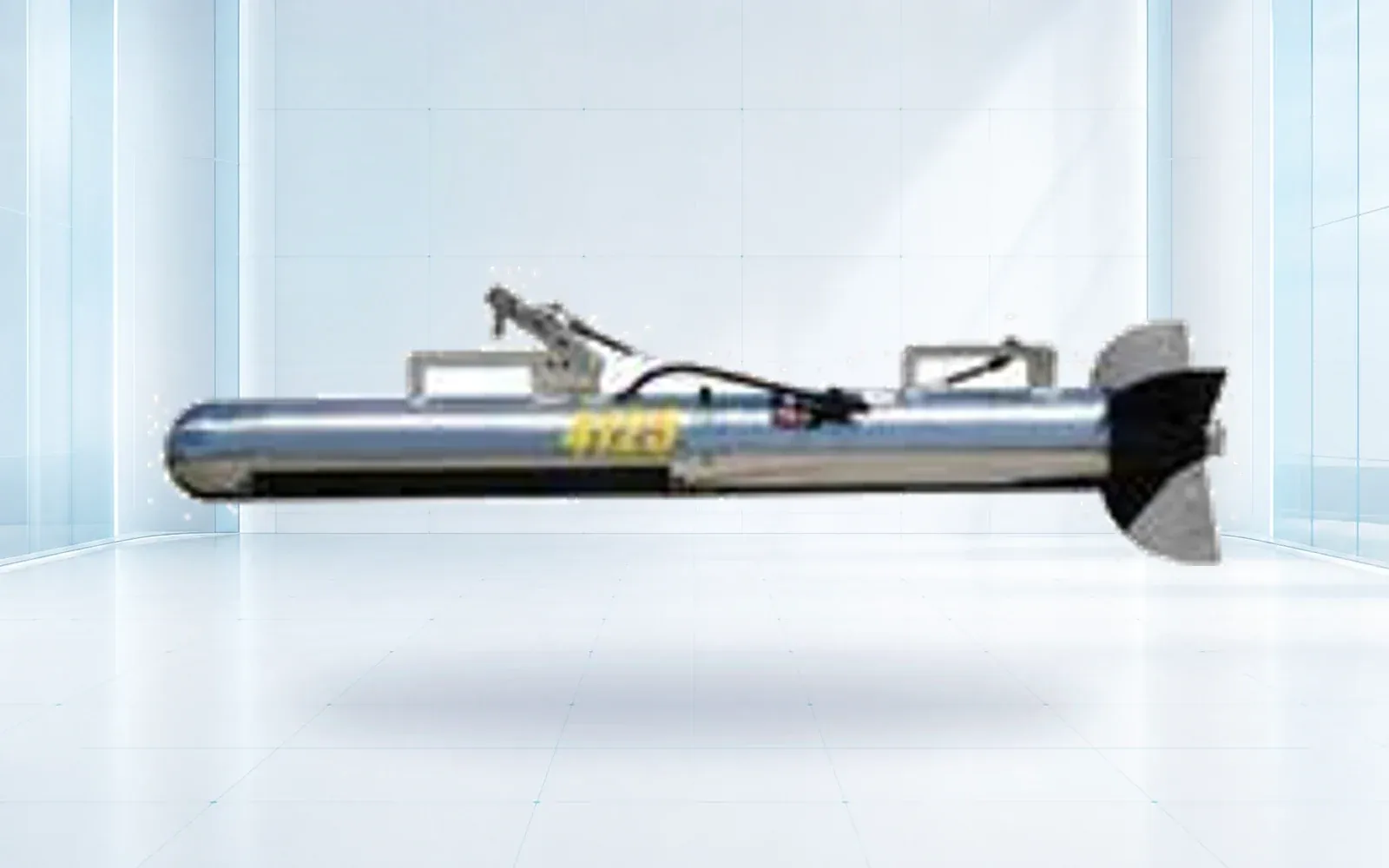
Side-scan sonar

Side-scan sonar creates acoustic imagery across a swath and is useful for locating anomalies for later classification.

Selection note: Plan tow or vehicle stability, altitude, overlap, positioning and a target-reacquisition method.

02Bathymetry, depth surfaces and coverage measurement

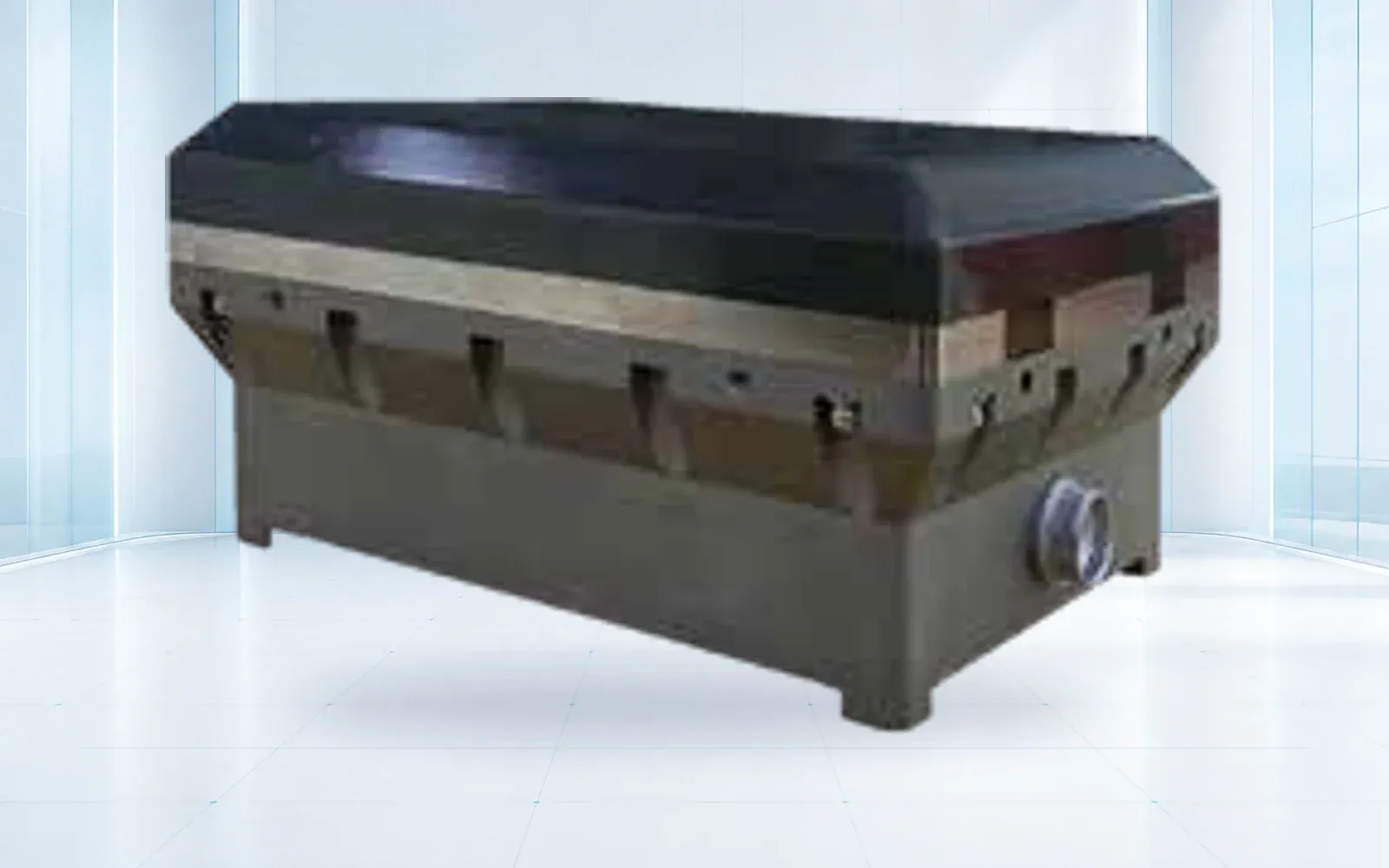
Multibeam echo sounder

Multibeam systems measure depth across a swath and require disciplined calibration, positioning and sound-velocity control.

Selection note: Specify vertical and horizontal uncertainty, coverage, datum and deliverable format rather than beam count alone.

03Close navigation and structure awareness in low visibility

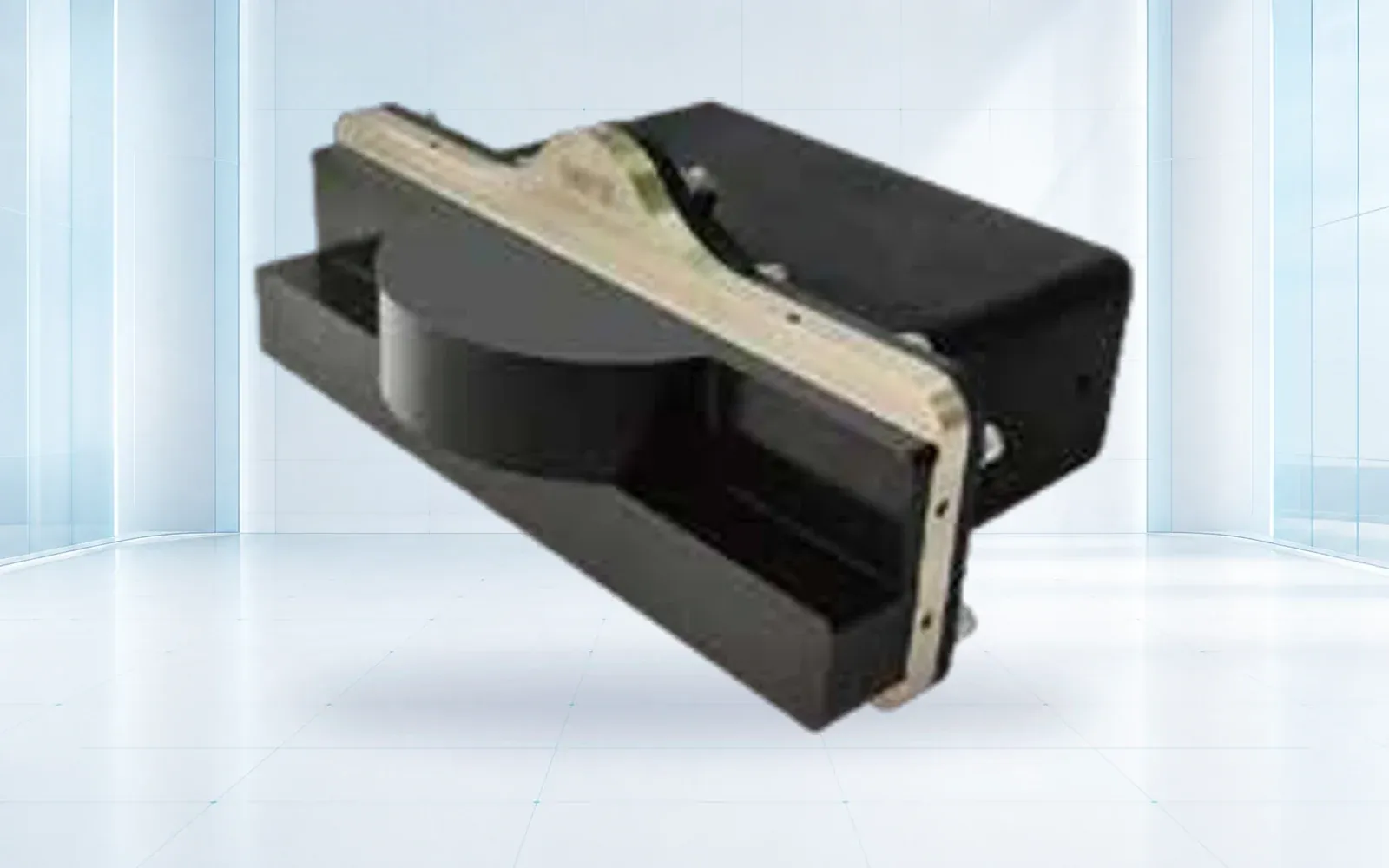
Imaging sonar

Forward-looking acoustic imagery helps an operator approach and inspect an object when cameras provide limited range.

Selection note: Match frequency, range, field of view, stand-off and update rate to the target and vehicle workflow.

04Visual confirmation, measurement, tooling, cleaning and intervention

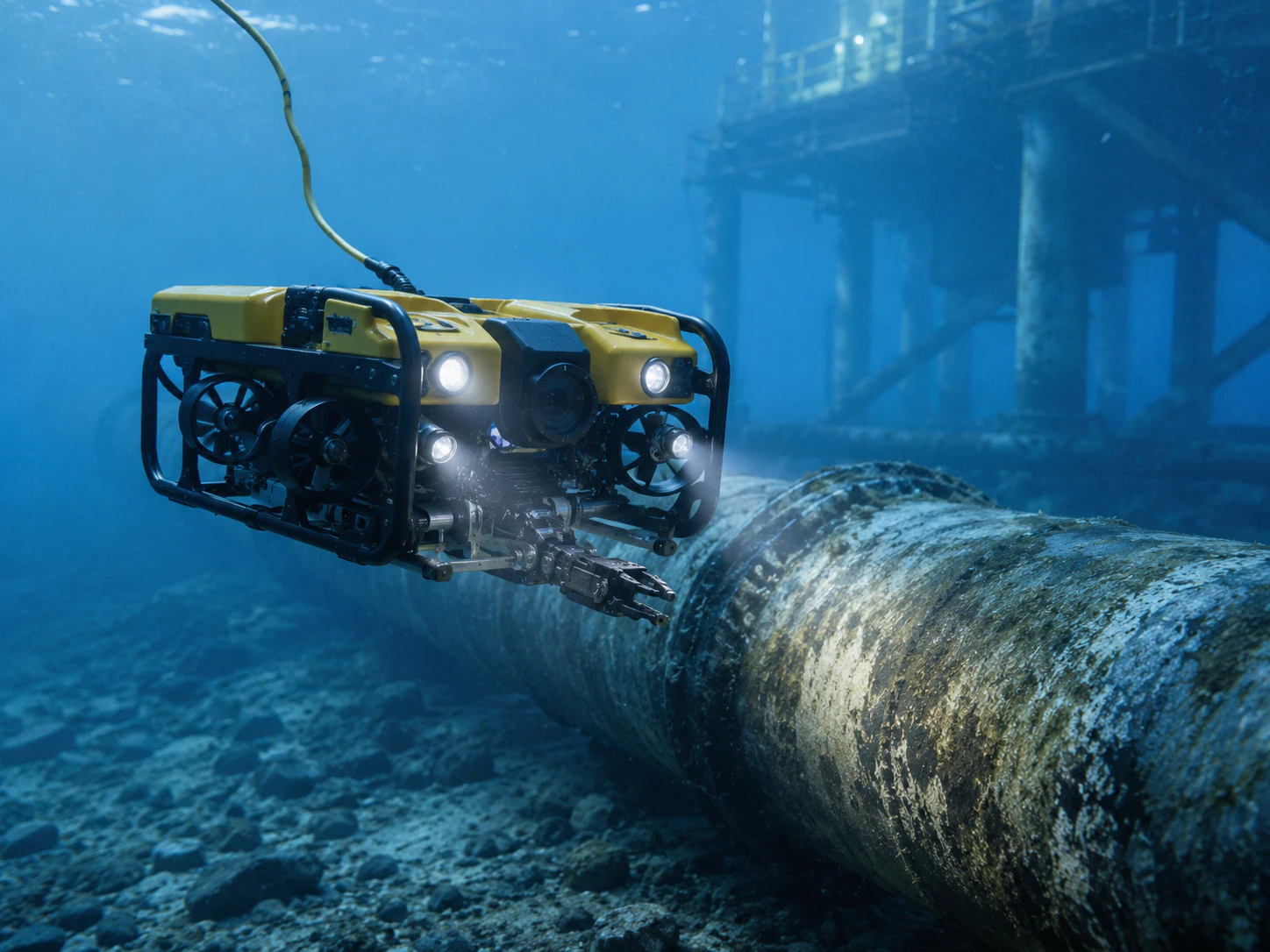
Inspection or work-class ROV

An ROV carries cameras, sonar and tools to a known point of interest while the tether provides power or communications.

Selection note: Evaluate thrust, payload, tether, surface system, launch and recovery and the forces created by tooling or contact.

01

Water conditions

Define depth, current, salinity, turbidity, temperature and expected obstructions.

02

Evidence requirement

Determine whether the mission needs video, acoustic imagery, bathymetry or georeferenced targets.

03

Launch and recovery

Plan crew, deck space, power, tether management and safe recovery before selecting vehicle size.

Quick comparison

Underwater ROV product comparison
ModelPrimary roleSelected specificationsDetails
SNR900USeabed imagingFrequency options: 400/900 kHz or 600/1600 kHz · Reference range: 150 m at 400 kHz; 75 m at 900 kHzOpen →
SNR600CHigh-resolution bathymetryOperating frequency: 600 kHz · Depth range: 0.1–100 mOpen →
SNR-C400Underwater perceptionOperating frequency: 400 kHz · Maximum reference range: 200 mOpen →
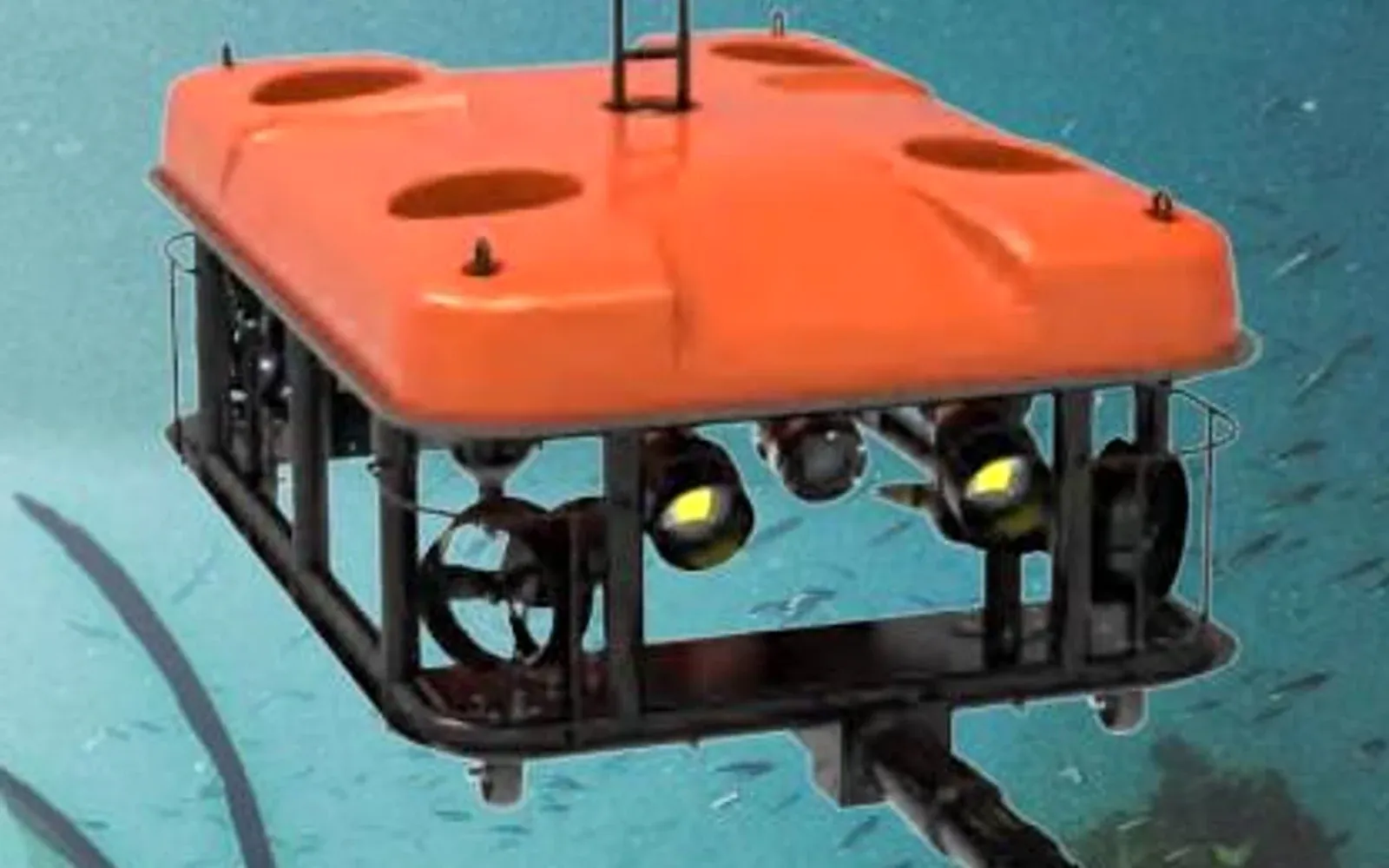
G70Modular underwater robotWeight in air: 70 kg · Operating depth: 0–300 mOpen →
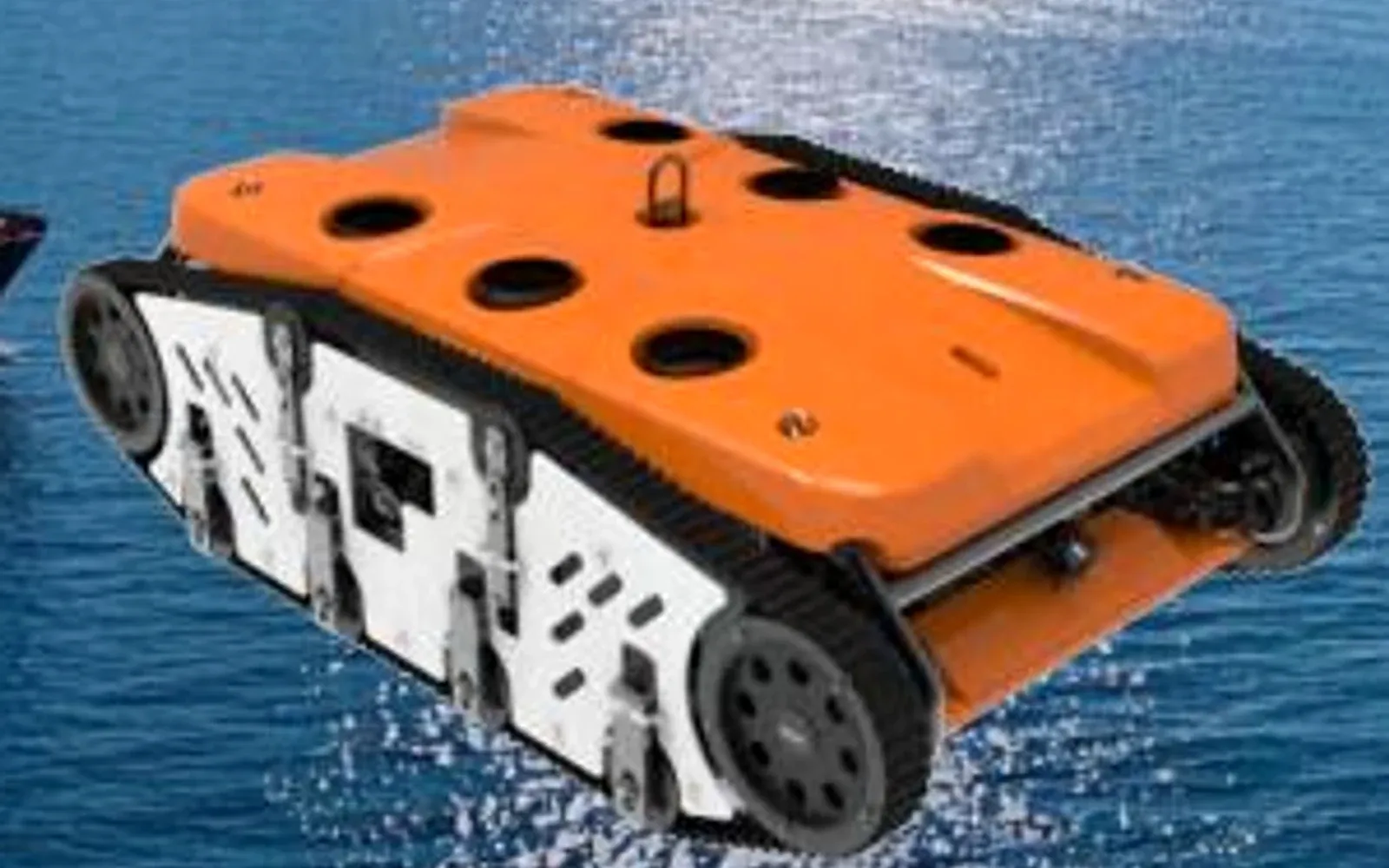
Q180Underwater cleaning systemWeight in air: 180 kg · Operating depth: 0–100 mOpen →

Buyer workflow

From requirement to accepted configuration

Use the same decision sequence for every shortlisted product so that published specifications, project assumptions and delivered evidence remain comparable.

  1. STEP 01

    Define the evidence chain

    Separate search, target marking, reacquisition, close inspection and reporting.

    Output: Stage-by-stage mission plan

  2. STEP 02

    Survey water and access

    Record depth, current, visibility, obstructions, launch position, power and deck limits.

    Output: Environmental and mobilization envelope

  3. STEP 03

    Design positioning and records

    Choose coordinate, time, asset, target and file conventions before collection.

    Output: Survey control and evidence structure

  4. STEP 04

    Shakedown the complete crew

    Use a known target to test launch, search, marking, repeat approach and data transfer.

    Output: Representative system acceptance record

Acceptance evidence

What the project should verify before handover

Acceptance areaRequirementEvidence
CoverageThe required search or measurement area is completed without unexplained gaps.Track plot, coverage map and raw files
ReacquisitionA second pass or crew can relocate a marked target within the agreed uncertainty.Repeat approach and position record
Close evidenceAcoustic or visual data resolves the feature needed for the asset decision.Accepted image, video or measurement set
Crew operationLaunch, tether handling, recovery and file handoff work under representative conditions.Shakedown checklist and incident log

Before requesting a quotation

Questions a serious buyer should resolve

  1. 01Is the primary mission search, measurement, inspection, cleaning or intervention?
  2. 02How will the target or defect be positioned and found again?
  3. 03Which current, tether and launch limits define the real working envelope?
  4. 04What topside power, control, positioning and recording equipment is included?
  5. 05Can another crew reproduce a finding using the delivered report and raw evidence?

Selection questions

What is the difference between side-scan and imaging sonar?
Side-scan sonar is efficient for searching wider seabed corridors. Imaging sonar supports close-range awareness and inspection, especially when optical visibility is poor.
What determines practical ROV operating depth?
Vehicle rating is only one limit. Tether, connector, camera, payload, surface power, current, launch method and operational reserve all affect the safe working envelope.
Can a cleaning ROV be used on every hull coating?
Brush and operating parameters must be reviewed for the coating, fouling level and environmental rules. A site trial is recommended before production cleaning.
ENGINEERING & CONSULTATION

Configure a Underwater ROV system

Share the site, mission, payload, performance target and destination country. Our team will return a traceable configuration rather than a generic product list.

Start a technical inquiry