The first stage of the August 13, 2026 U.S. action on unmanned aircraft took effect on September 3. A headline tariff rate is still not enough to price an order: buyers must match the entered aircraft, payload, docking equipment, components, origin and entry date to the proclamation, annexes and current implementation instructions.
Table of Contents
What Took Effect After August 13, 2026
The White House proclamation and its Federal Register publication established new Section 232 treatment for specified unmanned aircraft systems, docking stations and components. It followed the Commerce Department investigation announced in the Federal Register in July 2025.
The proclamation uses two principal duty tiers—100% and 25%—with different treatment for defined product groups and certain origins. The first covered entries became subject to the new treatment on September 3, 2026. Specified Annex III components follow on February 9, 2027. Clause 7 also provides delayed treatment for precisely defined products tied to named government lists as of September 2; buyers should not extend that provision to a supplier, family or later listing without confirming the clause’s conditions. These dates concern customs entry, not purchase-order signature or factory departure.
| Procurement checkpoint | Relevant date | Why it matters |
|---|---|---|
| Proclamation issued | August 13, 2026 | Establishes the new framework and annexes |
| First covered entries | September 3, 2026 | New treatment is in force for specified UAS and related goods |
| Clause 7 qualifying cohort | February 9, 2027 | Delayed date applies only to products that meet the stated list and product conditions |
| Annex III component entries | February 9, 2027 | Starts the delayed component stage |
The announcement is only the starting document. Buyers should also monitor the current HTSUS, CBP entry instructions and Commerce notices because implementation details can change how a line item is declared.
Classify the Configuration, Not the Product Name
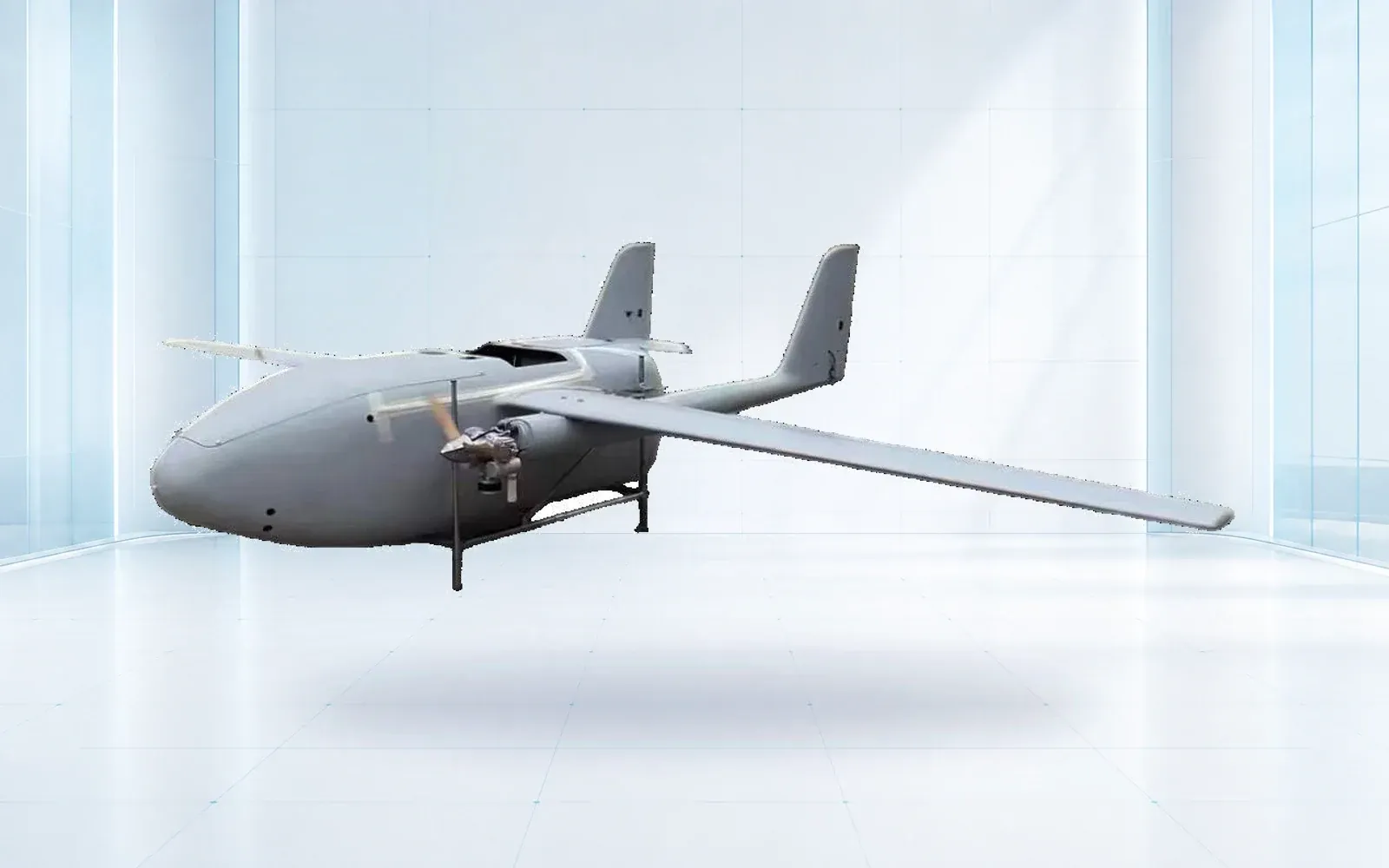
A model name does not determine a duty rate. Maximum takeoff weight, integrated payloads, docking equipment, imported components and the annex description can move configurations from the same family into different categories.
Build a classification packet for every quoted configuration:
- model and configuration identifier;
- maximum takeoff weight and whether the value is a limit or a test condition;
- installed imaging and sensing payloads;
- docking or charging equipment shipped with the aircraft;
- bill of materials for separately imported components;
- proposed HTS classification and annex mapping;
- manufacturer and country-of-origin evidence.
For example, a heavy-lift multirotor and a lighter VTOL platform should not inherit one tariff assumption simply because both are industrial UAVs. The importer of record remains responsible for the declaration. Where the annex description and configuration do not align cleanly, request a binding ruling or qualified classification advice before the commercial commitment.
Country Caps Require Genuine Origin Evidence
The proclamation provides capped treatment for specified trading partners, including a 15% ceiling for listed partners and a 10% ceiling for the United Kingdom. The cap is inclusive of the ordinary Column 1 rate; it is not automatically an additional duty and it is not a zero-rate exemption.
Origin therefore becomes a configuration and supply-chain fact. A reseller address, invoice location or transit port does not establish it. When an aircraft combines an airframe, flight controller, payload and final assembly from different countries, document the manufacturing steps that support the claimed origin. Substantial-transformation analysis is fact-specific, so ambiguous cases need customs advice rather than a supplier assurance.
| Evidence | Procurement use | Common gap |
|---|---|---|
| Manufacturer declaration | Identifies production entity and location | States shipping origin only |
| Bill of materials | Shows major assemblies and source countries | Omits software or payload origin |
| Manufacturing process record | Supports transformation analysis | Describes final assembly too generally |
| Classification or customs ruling | Provides configuration-specific treatment | Assumed to cover a different variant |
Rebuild Landed Cost Line by Line
Landed cost should be calculated for each line item rather than applying one percentage to the purchase order. The model needs product value, applicable duty treatment, ordinary customs duty, freight, insurance, brokerage, any other trade remedies and the commercial responsibility assigned in the Incoterm and contract.
An illustrative $120,000 entered value would add $120,000 at a 100% rate, $30,000 at 25%, $18,000 at a 15% ceiling, or $12,000 at a 10% ceiling. Those examples demonstrate arithmetic only; they do not classify a product or determine which duties stack.
Keep at least three scenarios in the approval record:
- the rate supported by the current classification packet;
- a higher-rate case if the product moves to another annex category;
- a delivery-delay case that crosses an effective date.
This makes bid comparisons auditable and shows whether a lower equipment price still wins after compliance and timing risk. The 2026 drone procurement checklist can hold the same assumptions alongside performance and supplier evidence.
Use Relief Mechanisms Only After Approval
The proclamation describes mechanisms connected to approved U.S. onshoring plans and addresses foreign-trade-zone treatment. These are controlled processes, not automatic exemptions that a sales quotation can promise.
For a proposed onshoring route, ask for the approval instrument, covered entities, eligible product scope, quantity or value limits and reporting conditions. For foreign-trade-zone inventory, confirm the required status and the duty treatment at entry for consumption. Existing inventory also needs an entry record; physical presence in the United States does not by itself prove it entered before the new effective date.
Lawful sourcing changes may reduce exposure, but routing goods through another country without a qualifying origin change creates customs risk rather than tariff relief. Keep origin, classification and value evidence together in the procurement file.
Rewrite Quotes and Contracts Around Verifiable Assumptions
New quotations should state:
- the exact configuration and included accessories;
- assumed classification and annex category;
- country of origin and supporting evidence;
- expected customs-entry date;
- assumed duty rate and whether it is included;
- importer of record;
- the process for a ruling, delay or rate change;
- responsibility for additional duties, storage and re-export.
Avoid language that guarantees a rate without identifying the underlying facts. A supplier can warrant the accuracy of its configuration and origin documents; customs authorities determine treatment. Contract language should be reviewed by qualified counsel for the transaction rather than copied from a general article.

A 30-Day Buyer Response
First, reconcile entries made since September 3, 2026 against the declared configuration, annex treatment, origin evidence and paid duties. Next, identify open orders and obtain a configuration-level classification and origin packet from each supplier. Recalculate landed cost, flag ambiguous variants for a ruling, and update contract responsibility before shipment. Then repeat the process for Annex III components and any clause 7 products scheduled around February 9, 2027.
Assign one owner to monitor White House, Commerce, CBP and HTSUS updates. Record the source and review date beside every rate assumption so the procurement team can distinguish a current rule from an earlier quotation.
OMNI UXV can provide configuration and product documentation for the industrial UAV portfolio, but customs treatment remains configuration- and entry-specific. Use the compliance library to organize due diligence, then contact the team when a sourcing review requires a documented equipment configuration.
FAQs
Does one Section 232 rate apply to every imported drone?
No. Treatment depends on how the imported item is described in the proclamation and annexes, its configuration and classification, country of origin, and the date it enters for consumption. A catalog family may contain products with different treatment.
Does shipping a drone through another country change its origin?
No. Routing is not the same as a qualifying change in origin. Importers need evidence supporting the applicable country-of-origin rule and should obtain a customs ruling when assembly or component sourcing makes origin uncertain.
Should a supplier quote include the new drone tariff?
The quote should state the assumed HTS classification, annex category, origin, entry date, tariff rate, importer of record, and who bears later changes. A total price without those assumptions is not a reliable landed-cost comparison.
Can buyers rely on this article for a customs classification?
No. This article is a procurement framework, not a customs ruling or legal opinion. Verify the current proclamation, annexes, HTSUS treatment, CBP instructions, and configuration-specific facts with qualified customs counsel or a broker.
Did signing a drone order before September 3 avoid the new duty?
Not by itself. The proclamation ties the first stage to customs entry on or after the effective time, so purchase-order, payment, shipment, and entry dates must not be treated as interchangeable. Confirm treatment for the actual entry with a customs professional.