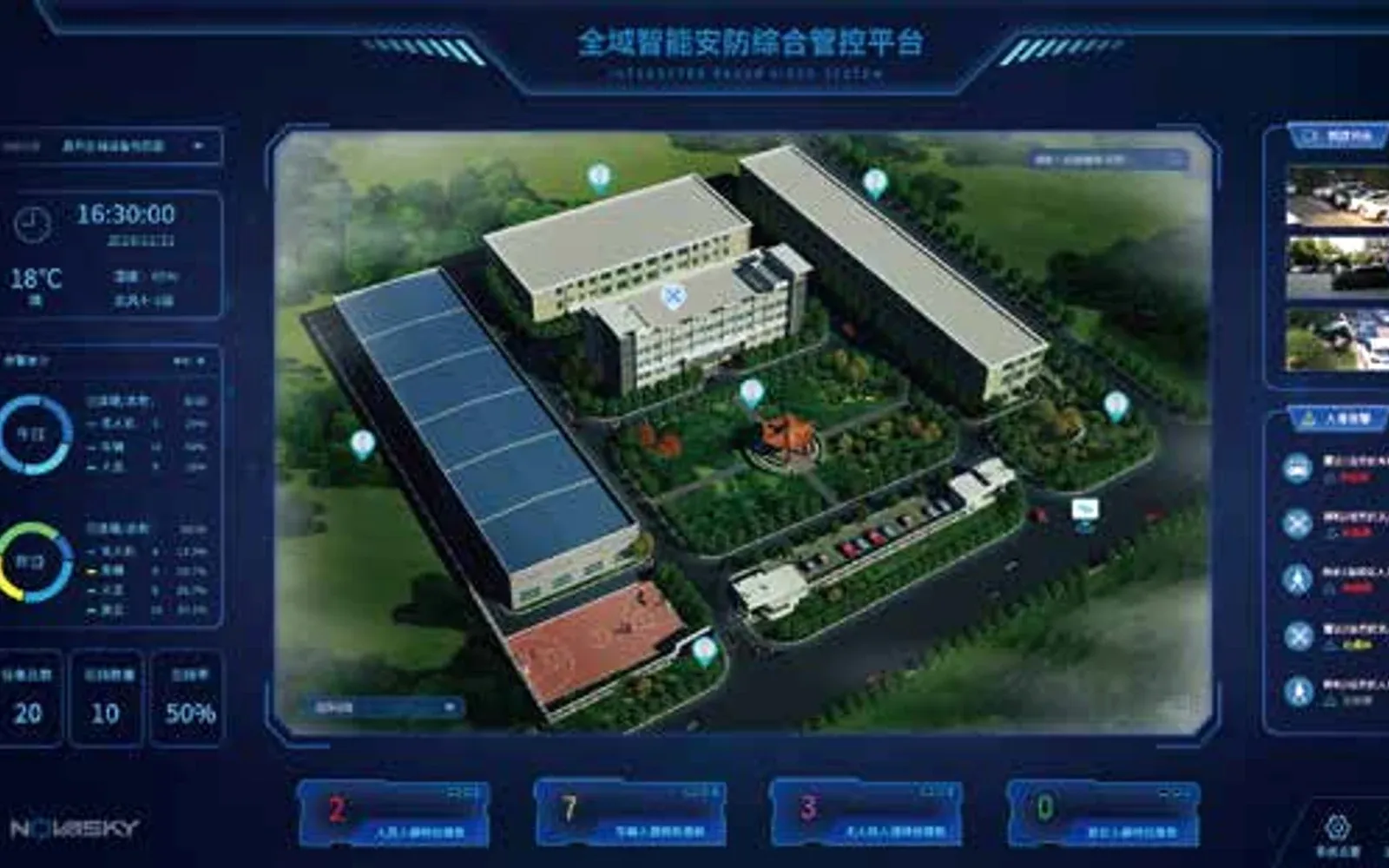
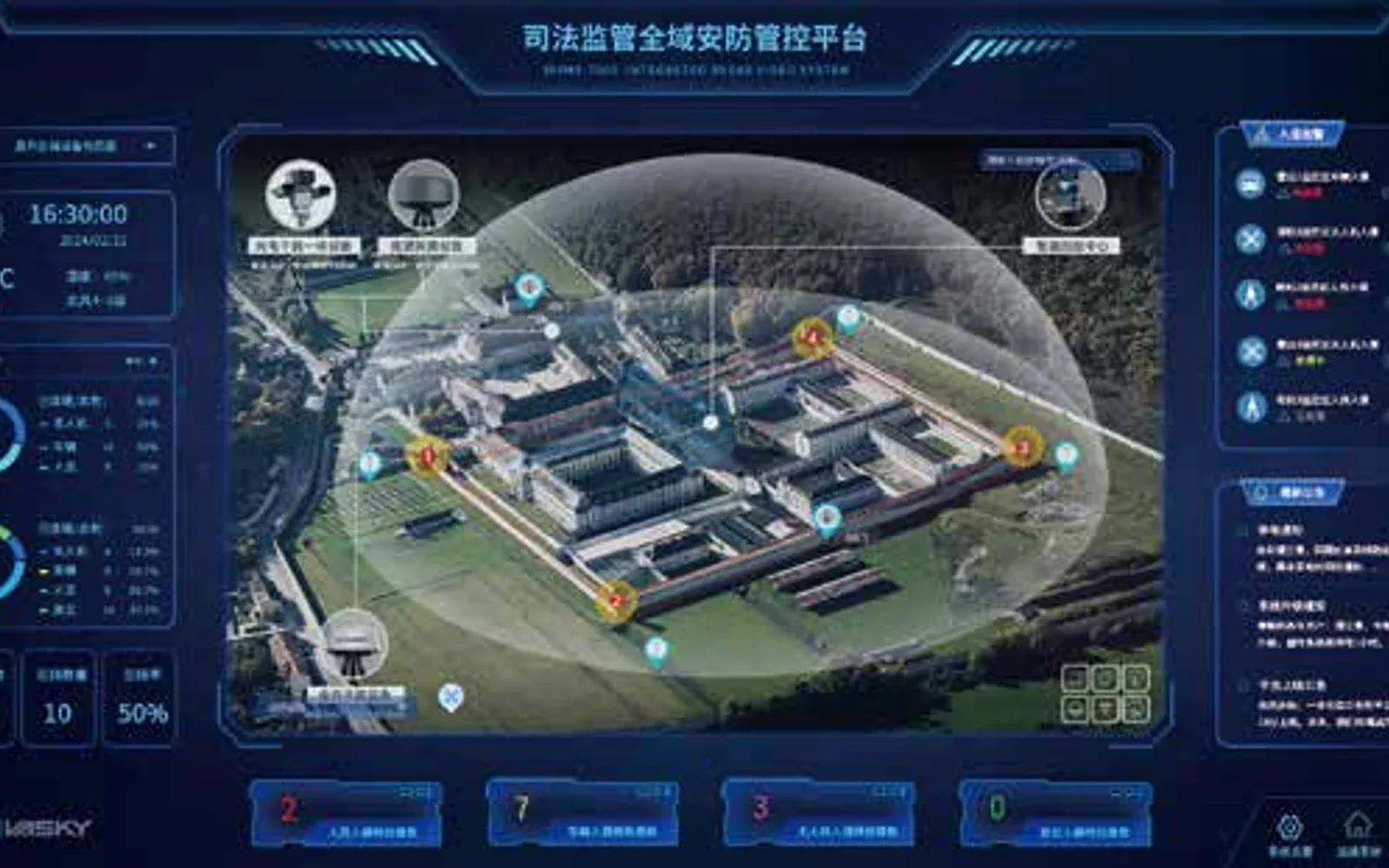
Command and control · 3 configurations

Integrated Security Management Platforms

Explore OMNI UXV IRVMS command platforms for site-wide sensor integration, alert verification, mapping and coordinated incident workflows.

Category brief

Start with the operating problem

A security platform creates value when it turns independent sensors into a consistent operating picture. Integration quality, identity and access control, event rules, evidence handling and operator workflow matter as much as the dashboard.

IRVMS reference configurations are adapted to the protected site, its sensor estate and its procedures. Interfaces and cybersecurity controls are confirmed during solution design rather than assumed from a generic product list.

Technology guide

How to procure an integrated security management platform as an operating system

An integrated security management platform connects sensors, video, maps, identities, event rules, evidence and operator procedures. A useful platform does more than display independent alarms: it preserves source meaning, shows degraded awareness and supports a traceable incident from observation to closure.

Buyers comparing a multi-sensor fusion platform should evaluate connectors, event semantics, access control, network zones, storage, recovery and lifecycle ownership. A polished dashboard cannot compensate for shared accounts, drifting clocks or an integration that silently drops events after an update.

Last reviewed: July 2026

01Correlation of radar, RF, video, access and site events

Multi-sensor command platform

The platform provides a common map and workflow while preserving the observations contributed by each source.

Selection note: Create an event dictionary with source, type, confidence, severity, time, location, owner and evidence.

02Alarm verification, clip retrieval and controlled incident records

Video and evidence operations

Video integration connects live or recorded imagery to an event, asset and authorized user.

Selection note: Define stream compatibility, evidence identifiers, retention, export, redaction and audit requirements.

03Acknowledgement, dispatch, escalation, closure and reporting

Site and asset workflow

Configured rules turn a sensor observation into an owned operational task with a visible status.

Selection note: Test real shifts, duplicate alarms, conflicting evidence, unavailable contacts and manual overrides.

04On-premises or controlled hybrid operation with defined recovery

Resilient deployment architecture

Servers, connectors, storage, maps and identity services are arranged around availability and security boundaries.

Selection note: Agree redundancy, backup, restore, time, offline behavior, patching and recovery objectives.

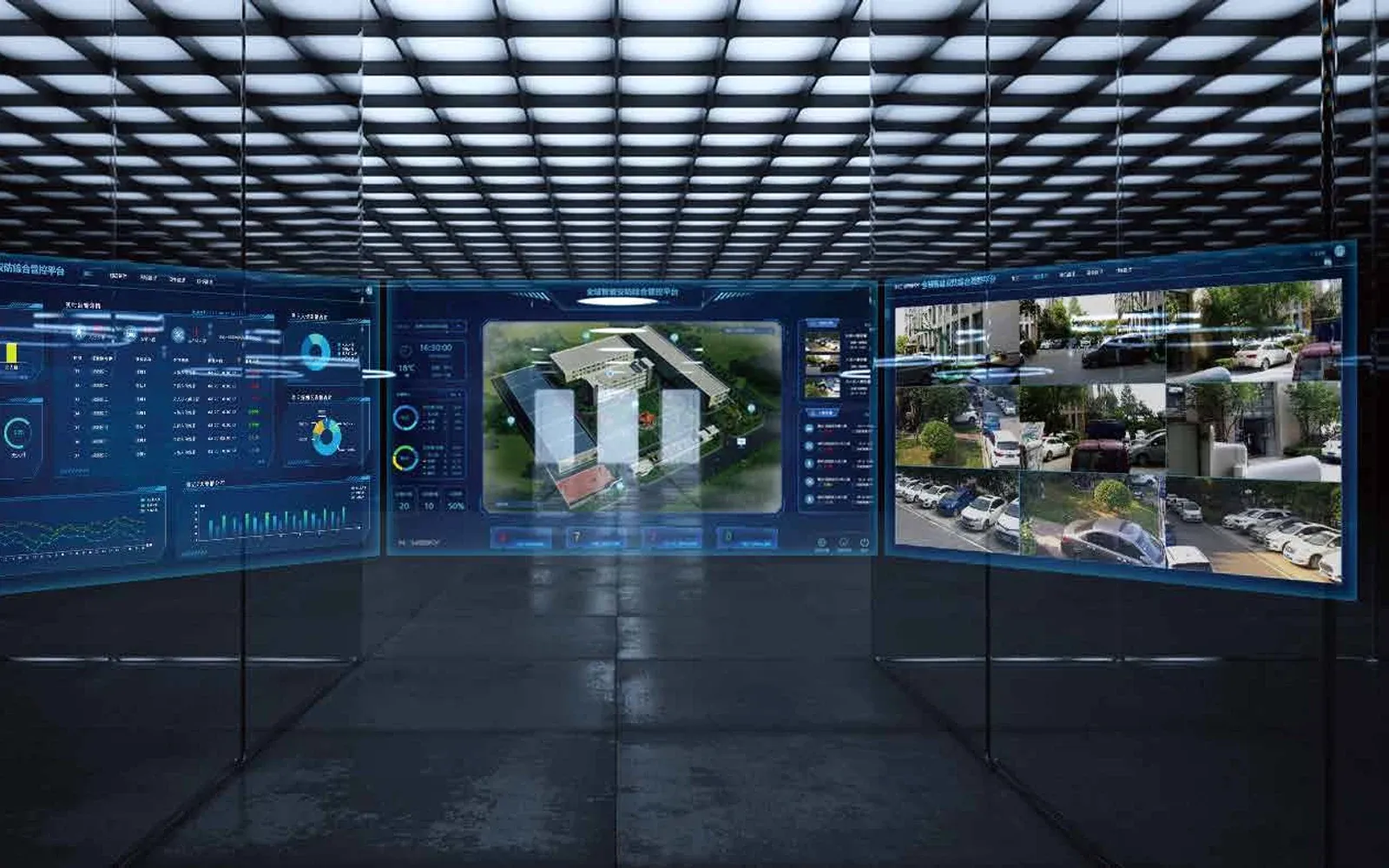
01

Integration inventory

List sensors, protocols, video systems, GIS data, identities and upstream business systems.

02

Incident workflow

Define verification, escalation, acknowledgement, dispatch and evidence-retention steps.

03

Security architecture

Plan network zones, least privilege, logging, backups, patching and recovery objectives.

Quick comparison

Security Platform product comparison
ModelPrimary roleSelected specificationsDetails
IRVMS-5000Multi-domain command platformPlatform role: Base integrated security management · Sensor domains: Land, water and low altitudeOpen →
IRVMS-6000High-security site integrationPlatform role: Critical-site command and control · Domains: Perimeter, access, low altitude and patrolOpen →
IRVMS-6100Port and waterfront commandPlatform role: Water-area security command and control · Domains: Surface, underwater, shoreline and accessOpen →

Buyer workflow

From requirement to accepted configuration

Use the same decision sequence for every shortlisted product so that published specifications, project assumptions and delivered evidence remain comparable.

  1. STEP 01

    Inventory systems and owners

    List devices, protocols, accounts, networks, maps, evidence and responsible teams.

    Output: Integration and ownership register

  2. STEP 02

    Freeze event and identity models

    Define stable identifiers, time, confidence, severity, roles and access decisions.

    Output: Event dictionary and role matrix

  3. STEP 03

    Build through controlled environments

    Test connector mappings and failure behavior before production deployment.

    Output: Verified integration baseline and rollback

  4. STEP 04

    Commission complete workflows

    Run incidents, high volume, outages, evidence export, backup and user removal.

    Output: Site acceptance and recovery record

Acceptance evidence

What the project should verify before handover

Acceptance areaRequirementEvidence
Event integritySource events arrive once, retain meaning and correlate to the correct asset.End-to-end event test set
Identity and auditEvery privileged, operational and evidence action is attributable.Role and audit-log review
Degraded operationOperators see connector, sensor, map, network and storage failures.Fault matrix and workaround test
RecoveryConfiguration and evidence services can be restored within agreed objectives.Backup, restore and rollback exercise

Before requesting a quotation

Questions a serious buyer should resolve

  1. 01Which event fields and confidence meanings differ between the existing systems?
  2. 02Who owns each connector, service account, certificate and upgrade decision?
  3. 03What can operators still see and do when a sensor, network or central service is unavailable?
  4. 04How are evidence access, export, retention and deletion controlled?
  5. 05Can the delivered team restore the platform and explain the resulting audit record?

Selection questions

Is IRVMS a fixed off-the-shelf package?
It is delivered as a configured platform. Connectors, dashboards, rules, maps, roles and deployment topology are defined for the project.
Can an existing VMS or access-control system remain in place?
Potentially. The integration review evaluates available APIs, supported protocols, licensing, event semantics and cybersecurity boundaries.
How should platform resilience be designed?
Availability targets, server redundancy, network paths, backup, time synchronization, offline behavior and recovery testing should be agreed before deployment.
ENGINEERING & CONSULTATION

Configure a Security Platform system

Share the site, mission, payload, performance target and destination country. Our team will return a traceable configuration rather than a generic product list.

Start a technical inquiry