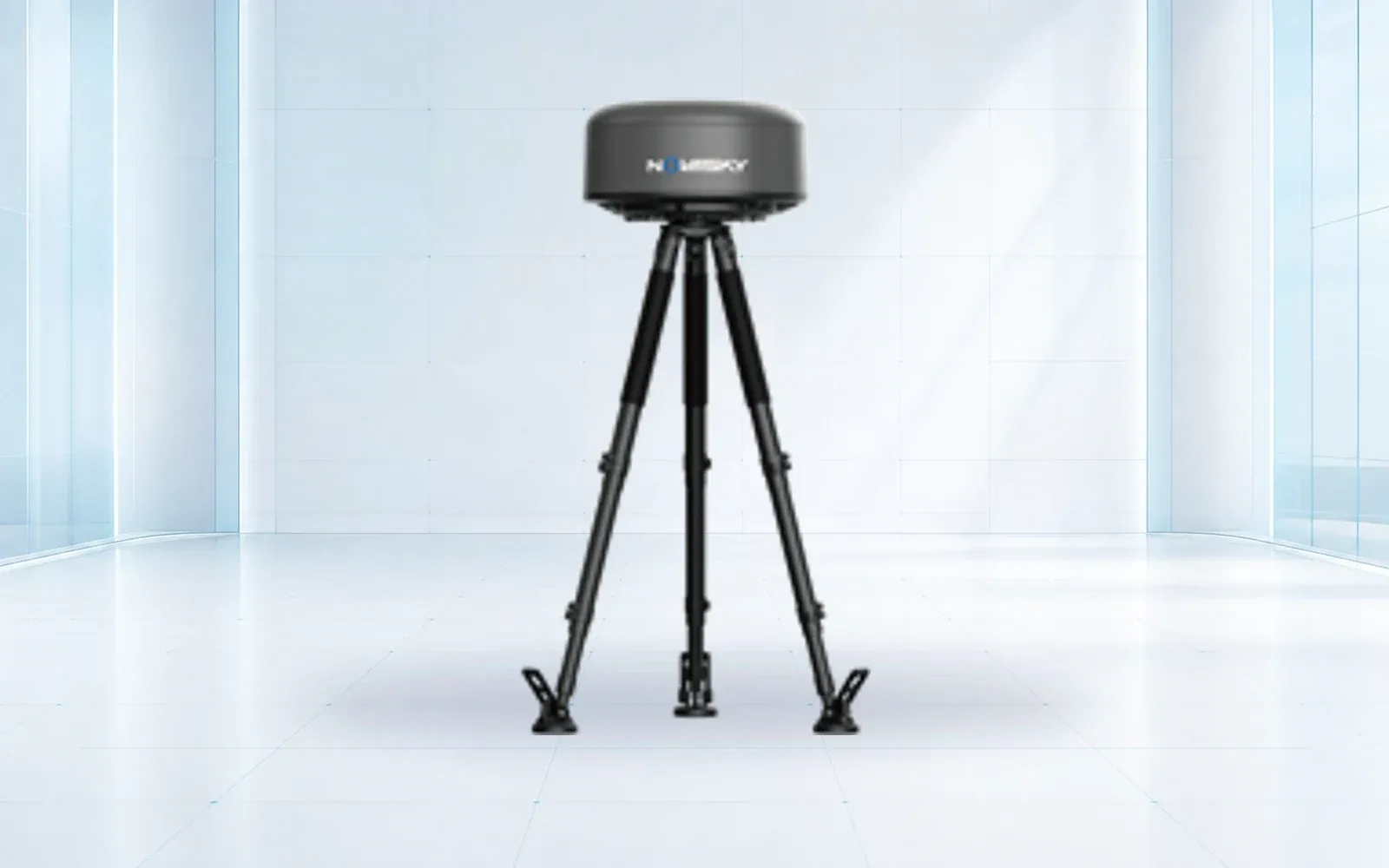
Prison drone detection is useful when an alert reaches the right staff member with enough context for an authorized response. Define the observation-to-incident workflow before selecting equipment. Detection, identification and any active countermeasure have different technical and legal boundaries.
Table of Contents
Design the receiving workflow first
The first procurement question is what the duty team must do with an observation. A map icon, radio classification and camera image have different meanings. The receiving screen should show the source, time, location and uncertainty needed to interpret the alert.
CISA’s UAS security resources encourage integration with existing security and emergency-response planning. For a correctional facility, that means fitting the detection service to established command, communication and incident-record responsibilities.
The public-safety evidence workflow explains the broader record chain. The prison-specific purchasing task is to make the handoff work with the facility’s staffing, controlled access and incident-management structure.
Separate four purchasing scopes
A supplier’s use of “counter-drone” can cover very different functions. Keep each function visible in the request for information.
| Scope | Useful output | Boundary to preserve |
|---|---|---|
| Detection | Observation with time and source | An alert is not a confirmed incident |
| Verification | Additional imagery or corroborating input | Classification and identity remain distinct |
| Incident management | Acknowledgement, assignment and record | Staff authority controls response |
| Active countermeasure | Separately defined action | Requires its own applicable authorization |
A product marketed for prisons does not establish permission for every facility or every function. Applicable rules can depend on the jurisdiction, operator and technology. The procurement owner should obtain the legal assessment for the exact proposed deployment before adding an active function.

Make the alarm understandable
An effective event packet can contain a stable event ID, source time, receiving time, source type, location reference, available imagery and a record of subsequent updates. The operator should see when information is old or when an association between sensors is uncertain.
Avoid presenting a decoded identifier as a final judgment about intent. Likewise, a missing identification field is an information gap, not an automatic conclusion about the aircraft or its operator. The Remote ID comparison explains these distinctions.
Alarm priority should reflect the facility’s authorized procedure and the quality of available information. A system that produces a large volume of repetitive notifications can consume attention without improving awareness. Measure the workload during a representative observation period and preserve ambiguous events for adjudication.
Keep the event record proportionate. A prison does not need to retain every raw sensor frame indefinitely; it needs the evidence required by its incident, legal-hold and oversight obligations. Define who can view, export and delete the record, and test that access with a role that should be denied.
Evaluate the handoff with the people who receive it
A controlled exercise should examine acknowledgement, transfer between duty roles, loss of a data source and recovery of historical records. Use authorized scenarios and avoid exposing sensitive coverage arrangements in public-facing documents.
The acceptance question is whether personnel can understand, assign and close an incident consistently. A technically correct alert that arrives in an unfamiliar console without a responsible receiving role is an integration failure.
Link the counter-UAS equipment scope to the law-enforcement and public-safety architecture. Include training, shift handover, access control and record export in the project resource package.
The resulting purchase should leave the facility with an accountable process: what was observed, who interpreted it, what authorized action followed and what record remains. If the process cannot answer those four questions without the vendor present, the integration is incomplete.
FAQs
Should every received drone alert trigger the same response?
No. A facility should define its own triage and escalation policy using the available observations and operational context. The sensor supplies information; authorized staff apply the response procedure.
Can a detection supplier determine a prison's mitigation authority?
A supplier can describe the equipment's functions, but the responsible authority must establish the legal basis for the proposed use. Procurement should keep detection and active countermeasure scope separate.
Why include staffing in a detection-system purchase?
Unacknowledged or poorly explained alerts do not produce a reliable operational handoff. The purchase should include training, interface design and realistic workload evaluation for the receiving team.
What should the incident record contain?
The alert source and time, the observation and its uncertainty, the staff member who reviewed it, the action taken, the outcome and the retained evidence. Keep the record proportionate to the facility's policy and applicable retention rules.