A drone jammer should never be purchased from a product listing alone. The first requirement is written authority for the buyer, technology, location, purpose, possession, import, testing, and operation; only then should a procurement team specify effects, collateral controls, documentation, support, and acceptance.
Table of Contents
- Stop at the Authority Gate
- Define the Approved Effect and Decision Chain
- Specify RF Scope Without Marketing Shortcuts
- Assess Collateral Effects and Fail-Safe Behavior
- Audit the Supplier, Documentation, and Supply Chain
- Normalize Price and Support on an Authorized Configuration
- Test Only Under Written Authorization
- FAQs
Stop at the Authority Gate
This is an authorized-buyer verification guide, not a consumer shopping guide. A commercial listing, product demonstration or public-safety mission does not establish authority to possess, import, test or operate an active device. The procurement record should cite the applicable authority instrument, responsible counsel or regulator, permitted users, location, effect and test conditions before a price comparison begins.
If the requirement is awareness rather than an authorized active effect, start with the portable drone detector guide. Detection and incident documentation are a different acquisition path; buying a detector does not create mitigation authority, and buying a jammer does not remove the need for independent detection and confirmation.
Before asking for price or range, identify the buying entity, operator, protected facility or event, jurisdiction, technology, purpose, possession and import path, test site, and intended operational effect. Obtain written advice and approvals that apply to that exact combination. If the authority is absent or uncertain, keep the project in detection, assessment, and coordination work; do not procure an active device on the assumption that approval will follow.
U.S. authority changed in 2026. The Department of Justice UAS policy hub links the current rule and guidance for qualified state, local, tribal, and territorial law-enforcement and correctional programs. Eligibility is conditional on the statutory and program requirements; it is not a general exemption for every public agency, contractor, venue, or infrastructure owner.
The FCC’s July 2026 declaratory ruling on authorized C-UAS jammer testing clarifies a limited test pathway pursuant to FCC authorization. It explicitly concerns testing, not a retail right to import, market, possess, or operate jammers broadly. Treat the authorization letter, operating plan, frequencies, site, dates, personnel, and reporting obligations as configuration items.
Define the Approved Effect and Decision Chain
Describe the threat scenario, protected zone, trigger, authorized decision maker, approved effect, boundaries, duration, stop conditions, and recovery. “Defeat the drone” is not an engineering requirement. Depending on the lawful authority and technology, the requested effect may involve disruption, denial, control, navigation influence, or another action, each with different aircraft behavior and collateral risks.
Separate detection and confirmation from mitigation. Require sufficient track quality and operator evidence before the authorized action, and state when the team must hold. Design for human authorization, two-person confirmation where policy requires it, positive device state, clear countdown, immediate abort, and post-action tracking.
The FAA’s airport UAS detection and mitigation guidance stresses aviation safety, electromagnetic interference, coordination, and response planning. Even outside airports, the same systems discipline is useful: mitigation can create a second hazard if the aircraft’s path and affected services are not considered.
| Procurement gate | Required buyer evidence | Required supplier evidence | If missing |
|---|---|---|---|
| Entity authority | Applicable statute, designation and counsel review | Supported authorized-user scope | Stop active procurement |
| Site and test approval | Coordinates, time, spectrum/aviation coordination and safety plan | Configured operating limits | Do not energize |
| Approved effect | Scenario, trigger, decision owner and abort | Effect description and control logic | Return to concept design |
| Collateral control | Protected-service list and monitoring plan | Emissions data, boundaries and logs | Require independent assessment |
| Chain of custody | Authorized storage, issue and operator records | Serial, firmware and access controls | Reject delivery process |
Specify RF Scope Without Marketing Shortcuts
An authorized requirement should identify the frequency bands and signal environments relevant to the approved scenarios, but avoid the vague “full band” label. Ask how channels are selected, generated, limited, logged, and inhibited; how antennas shape energy; how output is verified; and how software prevents an unapproved configuration.
Range is not a standalone product property. It depends on effective radiated power, antenna pattern and orientation, propagation, terrain, structures, target link margin, target autonomy, receiver behavior, geometry, and the lawful boundary. Require a link-budget rationale and field evidence for the authorized scenario, with uncertainty and failure conditions.
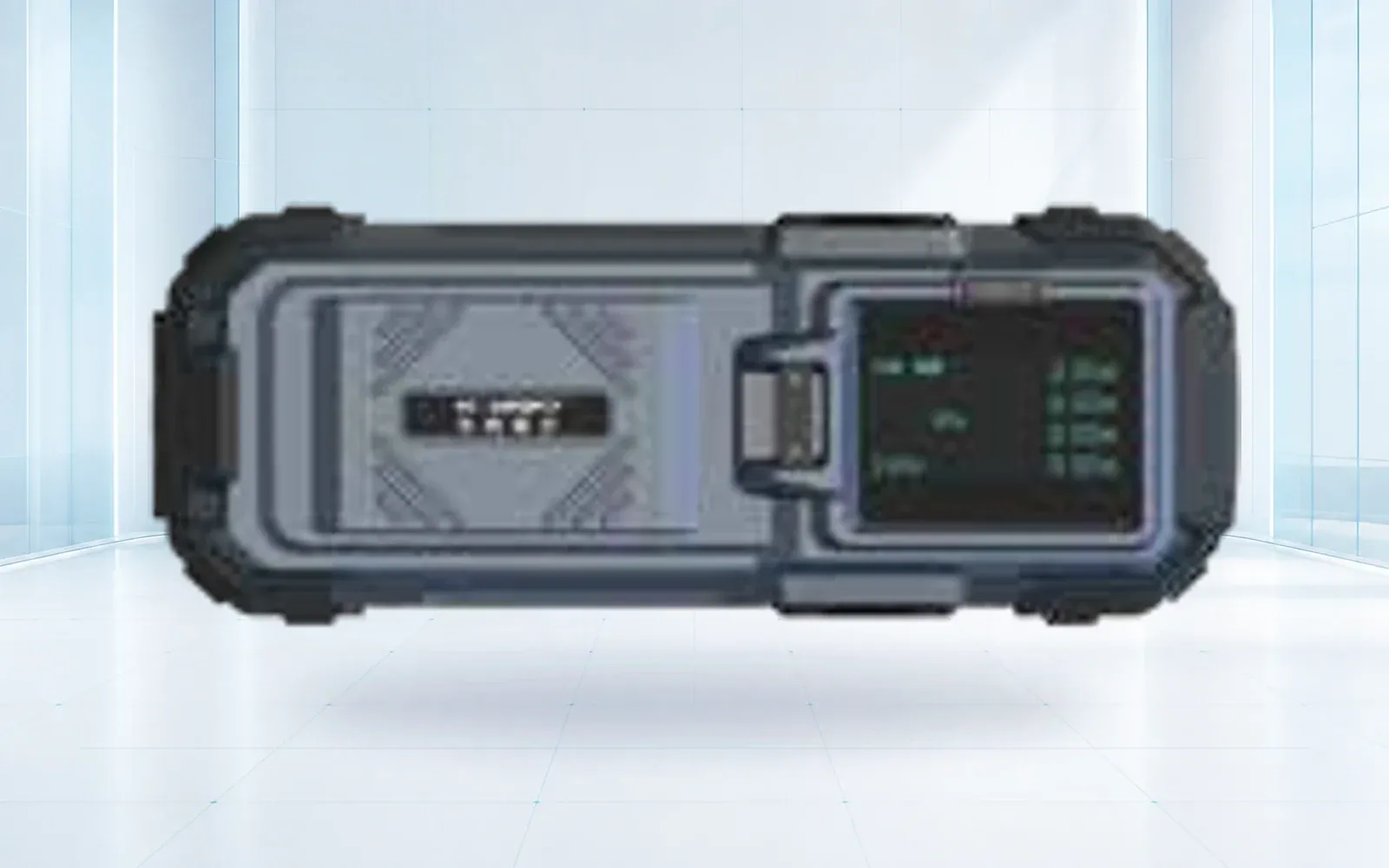
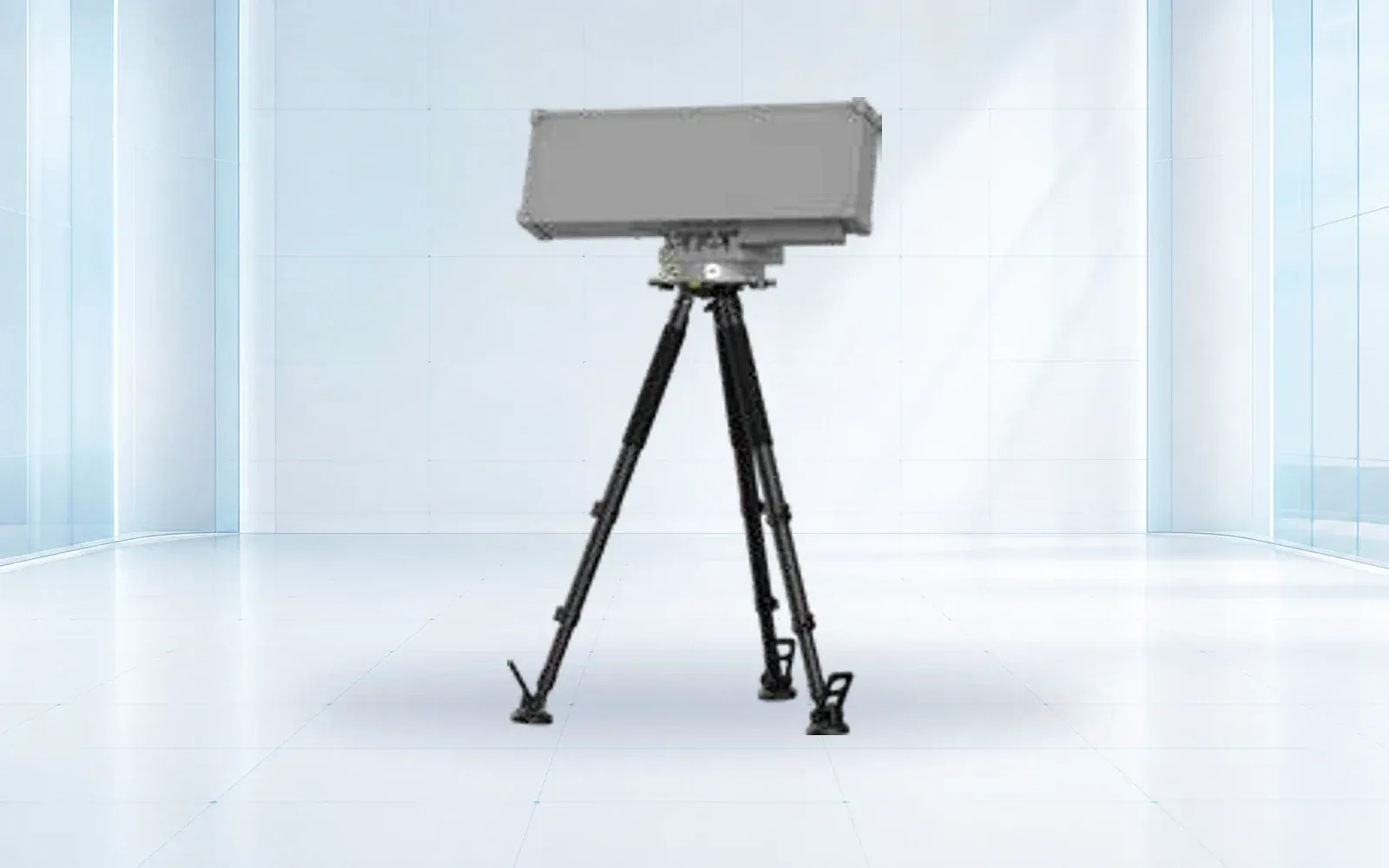
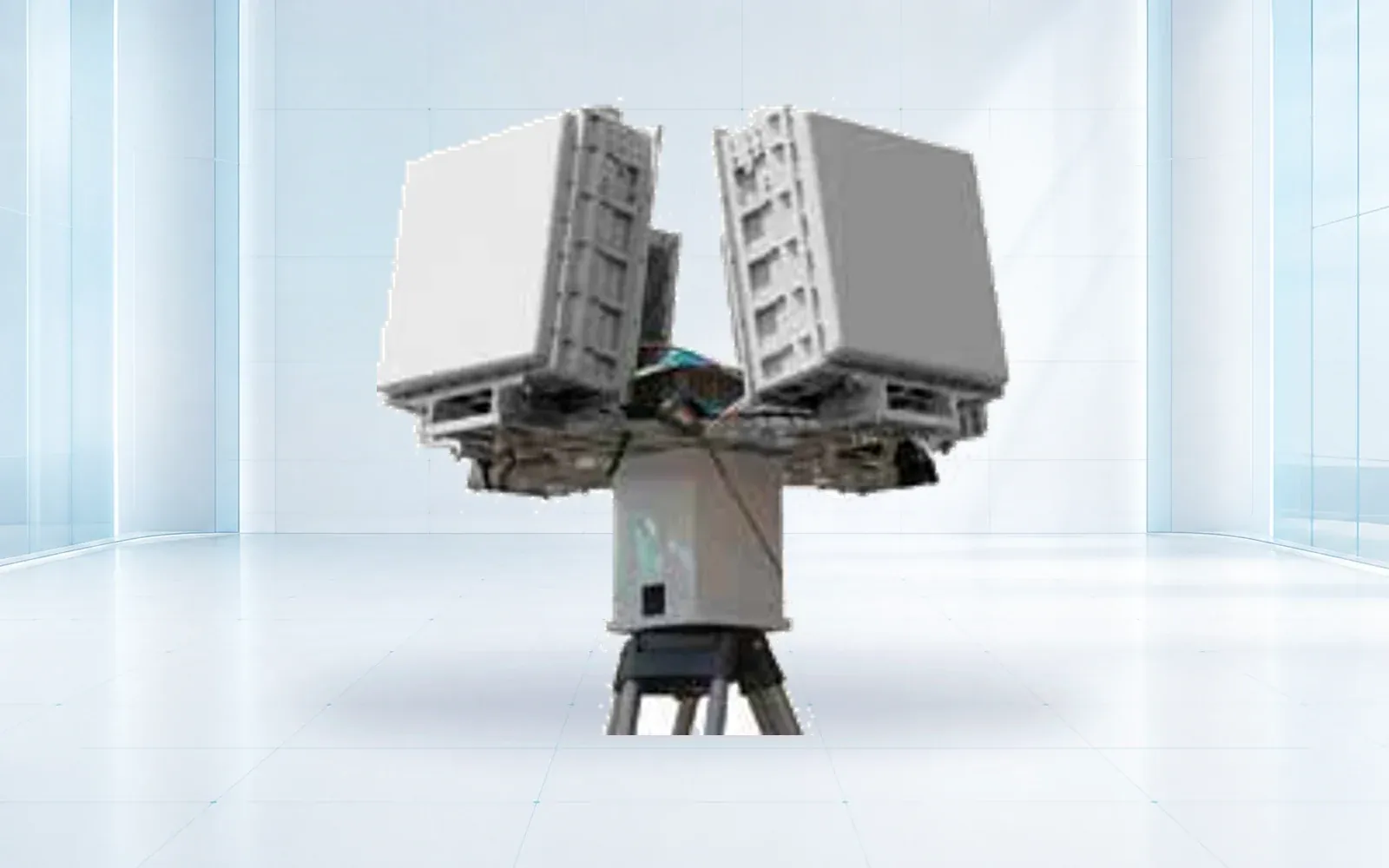
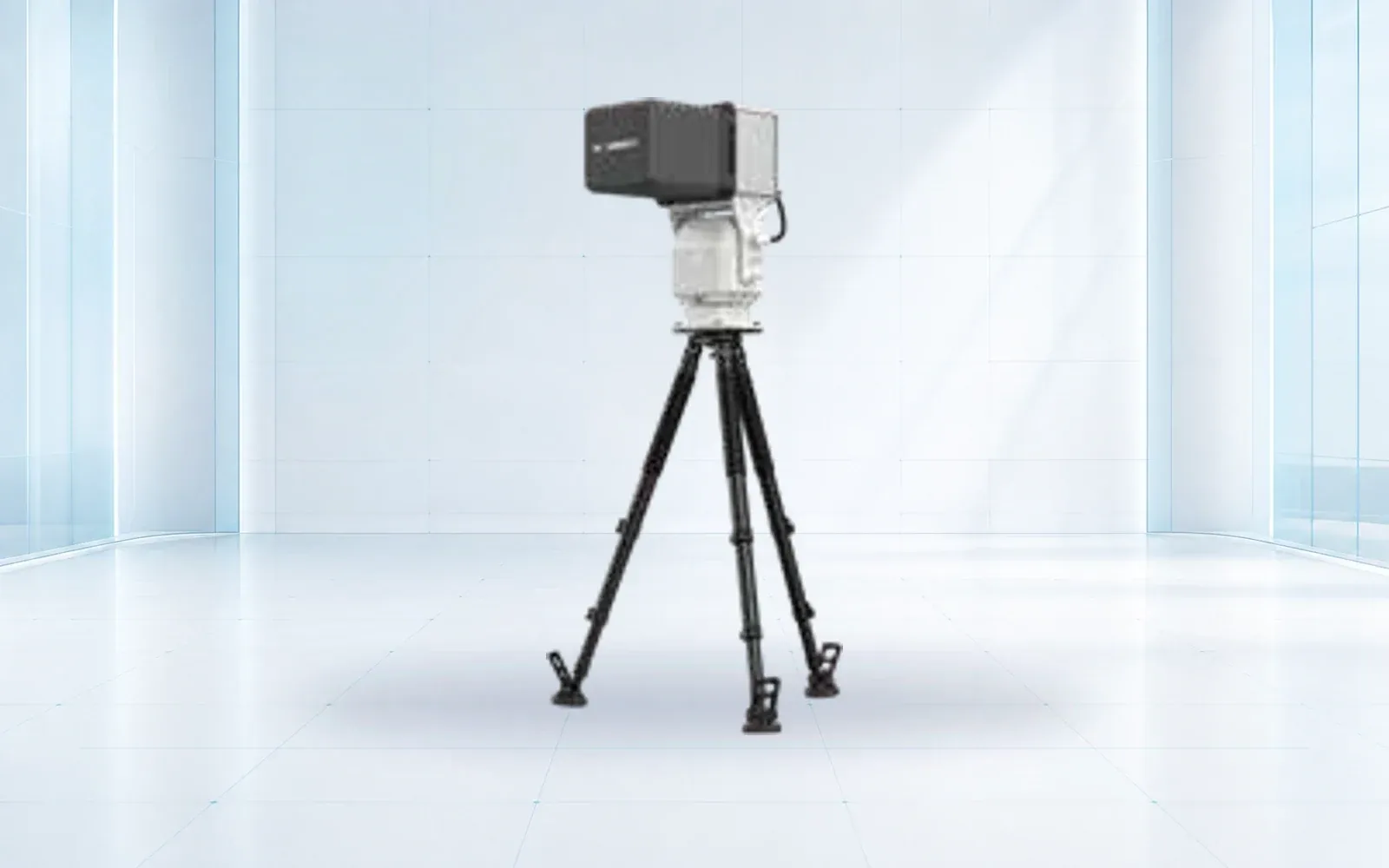
Review the NI-J3000 system and NI-JG5000 integrated system only as configuration starting points for authorized programs. The applicable authority and approved effect must control which functions are enabled, supplied, tested, and documented.
Assess Collateral Effects and Fail-Safe Behavior
Create a protected-services register covering aviation, public safety, cellular, satellite navigation, industrial control, emergency communications, telemetry, medical, and other site-specific systems. Decide what must remain available, how it will be monitored, who can stop the test or operation, and how a suspected interference event is investigated.
Model energy beyond the intended zone in three dimensions. Include antenna sidelobes, reflections, elevation, moving platforms, maintenance misalignment, wrong configuration, software error, and operator placement. Where authorization permits, validate with independent monitoring rather than the jammer’s own status display.
Specify safe boot, authenticated enable, role-based access, key control, hardware and software inhibits, timeout, watchdog, emergency stop, loss-of-command behavior, geofencing where approved, event logs, tamper evidence, and controlled firmware. A device should fail silent unless the authorized safety case requires and approves another state.
Audit the Supplier, Documentation, and Supply Chain
Require manufacturer identity, serial traceability, bill of materials at the necessary level, country of origin, export/import documentation, authorized-user screening, firmware provenance, vulnerability handling, support location, spares, calibration, repair, end-of-life policy, and secure return or disposal. Do not accept a reseller’s screenshot as technical or legal evidence.
The delivered documentation should include controlled manuals, RF and antenna characteristics, configuration limits, software and firmware versions, cybersecurity information, health checks, maintenance, calibration, training, test procedures, logs, failure modes, and approved-user restrictions. Contract language should prohibit feature changes that bypass the authority basis.
Price storage, transport, issue, inventory, operator certification, refresher training, exercises, maintenance, monitoring equipment, independent test support, and retesting. A low hardware price can hide a large compliance and sustainment burden.
Normalize Price and Support on an Authorized Configuration
Make every commercial line traceable to the authority and test plan. A useful normalization sheet includes:
| Quote field | Buyer verification | Reject or hold when |
|---|---|---|
| Device and configuration identity | Serial/version control, enabled bands, antennas and power settings | The quoted model cannot be tied to the approved configuration |
| Authority-dependent functions | Written mapping from permitted effect to enabled capability | “Full capability” is offered without a lawful operating boundary |
| Integration and monitoring | Named detection cue, command interface and protected-service monitors | Integration is described only as an unspecified allowance |
| Controlled acceptance | Approved site, target, instrumentation, personnel, records and aborts | The price assumes an unlawful or undefined live demonstration |
| Sustainment | Secure updates, calibration, spares, repair, recertification and end-of-life | Support could change RF behavior without controlled retest |
| Exclusions and contingencies | Permits, agency labor, aviation coordination, travel and delay rates | Material buyer-supplied work is hidden outside the comparison |
Compare only the functions and bands the authority permits. Require separate lines for hardware, antennas, mounts, command equipment, secure storage, test instrumentation, integration, training, documentation, site survey, controlled acceptance, support, software, calibration, spares, travel, and recurring approvals.
State who supplies the detection cue, confirmation, command platform, network, maps, time source, logging, protected-service monitoring, target aircraft, aviation coordination, spectrum authorization, test site, and safety personnel. Assign interface ownership rather than leaving “integration included” undefined.
The public-safety counter-UAS workflow describes observation, reporting, and coordinated response. Use it before active procurement so the device does not become a disconnected action without validated decision and recovery paths.

Test Only Under Written Authorization
Build a test card for each approved scenario: target, route, altitude, target control or autonomy state, detection cue, authorization step, device configuration, effect window, boundary, protected-service monitors, expected aircraft response, aborts, recovery, and records. Brief every participant and airspace stakeholder required by the approval.
Test correct inhibit and no-effect states as seriously as active effect. Exercise wrong role, expired authorization, out-of-area position, corrupted configuration, failed monitor, lost command, emergency stop, and incomplete detection evidence. Confirm that logs reconstruct who enabled what, where, why, and for how long.
Measure the authorized effect and timing, aircraft response, boundary behavior, collateral-service observations, operator errors, false engagements, recovery, and evidence completeness. Stop and investigate any unexpected interference or aircraft behavior; do not tune around it informally.
For an authorized procurement, review the counter-UAS portfolio, law-enforcement and public-safety solution, and technical resources, then contact OMNI UXV with written authority, the approved scenario and effect, site constraints, protected services, and acceptance governance.
FAQs
Can a private company legally operate a drone jammer in the United States?
A private-company product listing or private-property right is not general operating authority. U.S. buyers need current counsel and express authorization applicable to the entity, technology, place, test or operation, and governing communications and aviation rules.
Can state or local police buy and use counter-drone mitigation equipment?
Some qualified agencies may operate under 2026 federal authority after required training, certification, designation, coordination, and other conditions. The authority is conditional, not automatic for every department or device.
Did the FCC’s 2026 ruling make drone jammers generally legal?
No. The ruling addresses limited non-federal testing conducted pursuant to an FCC authorization; it does not create general operational authority or remove other legal requirements.
What should an authorized buyer test?
Under an approved plan, test the specified effect, boundaries, timing, command and aborts, monitoring, collateral communications, aircraft behavior, logs, operator decisions, and recovery across authorized scenarios.