Underwater security succeeds only when a site can detect a contact, classify it, delay its approach, and deliver an authorized response before it reaches the protected asset. Sonar range alone cannot prove that chain; current, depth, clutter, vessel traffic, communications, launch access, and rehearsed handoffs determine the real protection window.
Table of Contents
1. Define the Protection Timeline
Map the earliest point where a target can be detected, the protected boundary, and the last point where an authorized response remains useful. The difference is the available decision time.
That time is consumed by classification, operator review, agency or facility authorization, launch, transit and reacquisition. A long nominal sonar range can still produce an unworkable system if false alarms slow classification or the ROV launch point is too far away.
| Stage | Required output | Acceptance measure |
|---|---|---|
| Detect | Contact with time, bearing, range and confidence | Probability of detection and nuisance-alarm rate |
| Classify | Diver, vehicle, debris, marine life or unknown | Correct classification and review time |
| Delay | Barrier, exclusion zone or controlled access | Time gained without creating navigation hazards |
| Respond | Authorized surface, ROV or dive action | Launch, transit and reacquisition time |
| Document | Reconstructable event record | Synchronized export and custody trail |
2. Select Sonar by Operational Role
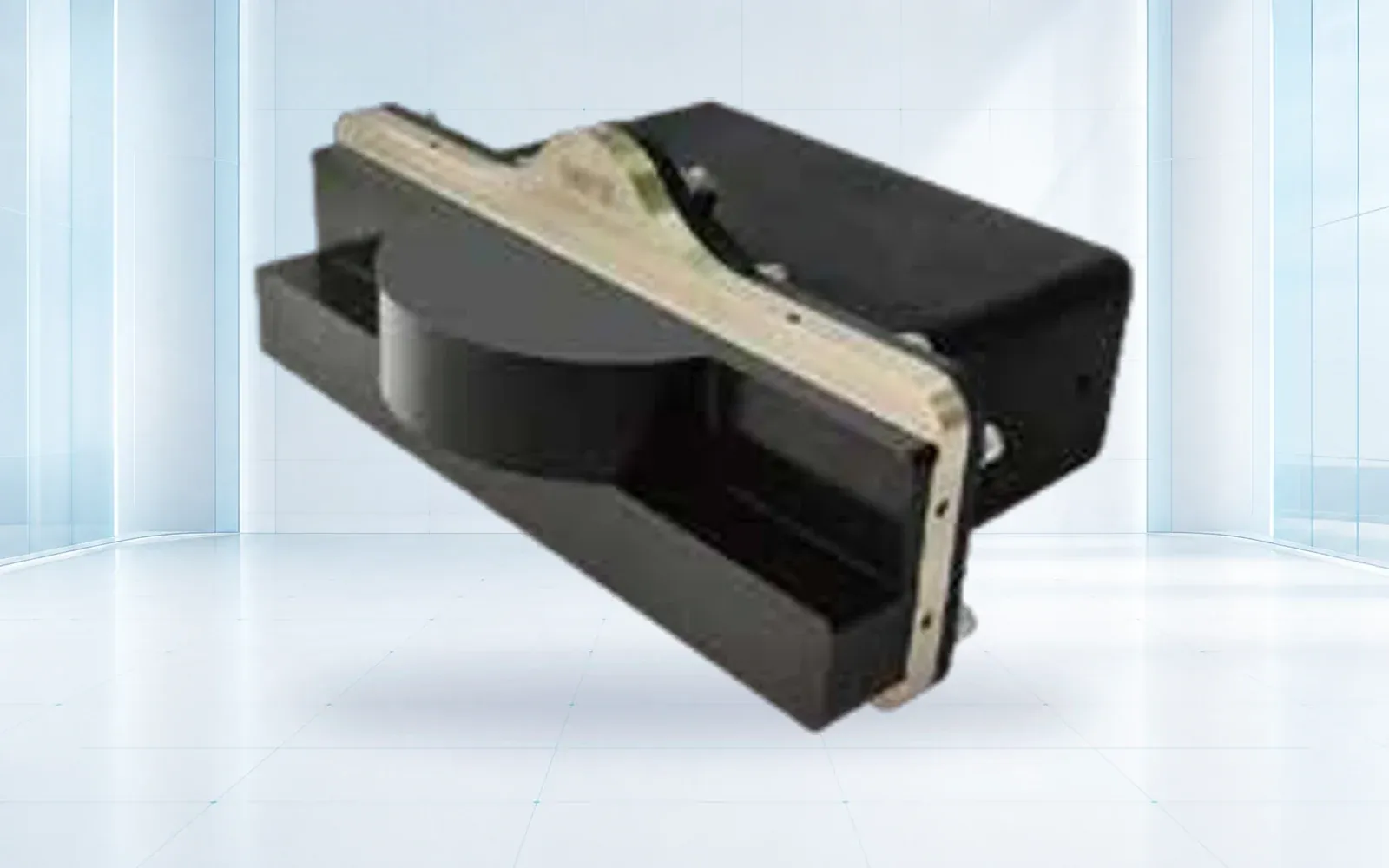
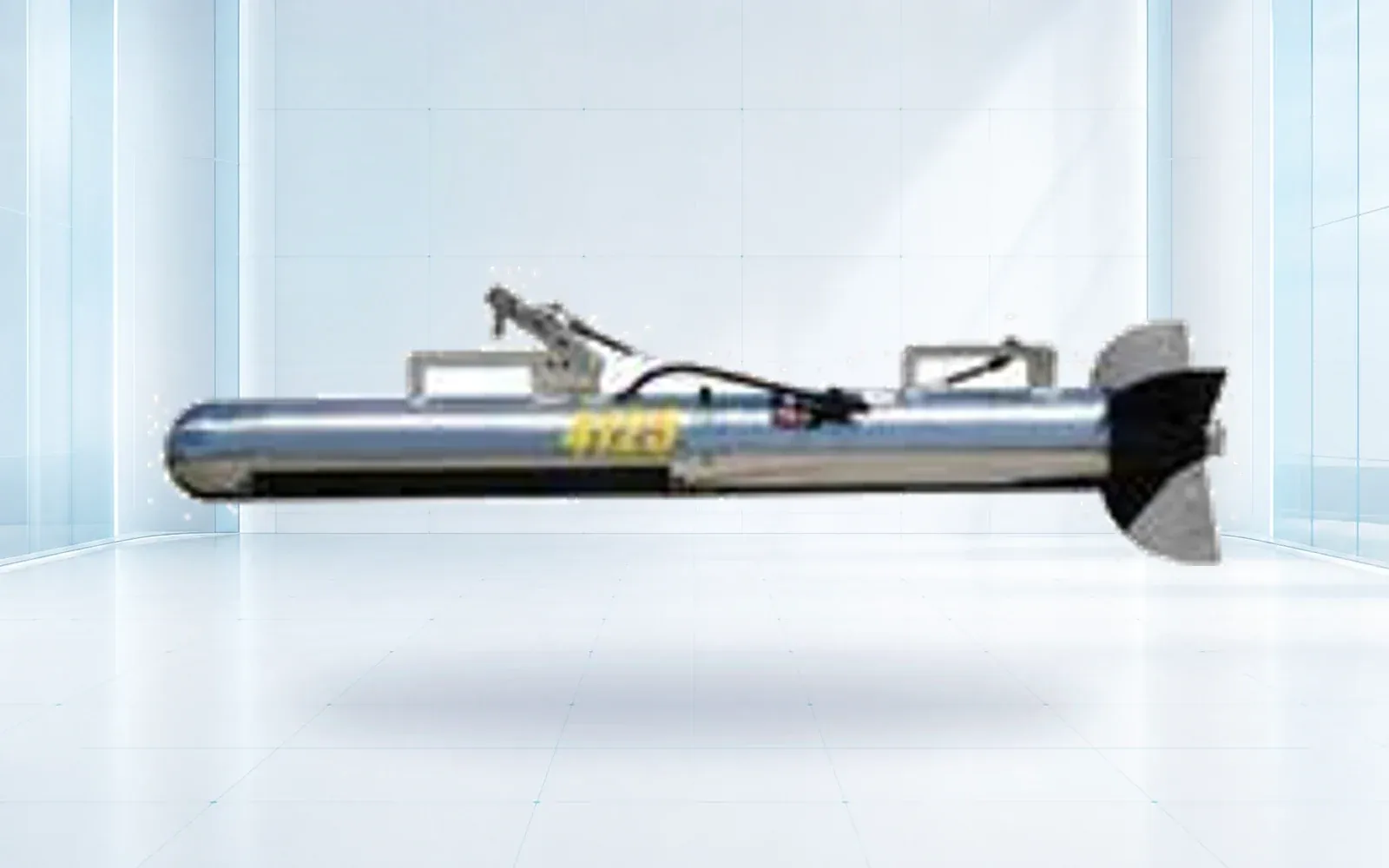
Persistent intruder detection, wide-area seabed search and close-range ROV imaging are different sonar jobs. A diver-detection system needs continuous updates and tracking in the water column. Side-scan sonar such as the SNR900U maps seabed and infrastructure for baseline surveys or searches. Imaging sonar on an ROV supports close-range confirmation when water visibility is poor.
Do not transfer a range figure between these roles. The target strength of a diver, a compact vehicle and a seabed object differs, as do the geometry and processing assumptions. Ask for performance against the target class, speed, depth and site clutter that the security plan defines.
3. Build the Baseline Before Alarm Tuning
Survey seabed, walls, piles, chains, moorings, intakes, outfalls and normal vessel routes. Record tides, current, sound velocity, seasonal biofouling and recurring acoustic activity. This baseline explains which returns are stationary and where shadowing or multipath is unavoidable.
Commissioning should expose known targets across representative approach paths. Review every alert during the initial tuning period and document rule changes. Nuisance alarms are a system-performance issue: if operators regularly mute a zone, the protected coverage no longer matches the drawing.
Repeat baseline checks after construction, dredging, storm damage or major changes in berth use.
4. Delay Must Be Safe and Maintainable
Barriers, nets, grilles and controlled stand-off zones can extend response time, but they also interact with navigation, debris, wildlife, current and emergency access. Their design requires local engineering and authority approval.
Treat delay as a measured component. Document the area protected, inspection interval, fouling and debris load, failure mode and how legitimate vessels or maintenance teams pass safely. A barrier that cannot be inspected after poor weather should not be assumed available.
Security design should also consider operational delay: lighting, staffed launch points, pre-rigged tethers and clear authorization can save more time than a small increase in sensor range.
5. ROV Response Is a Mission, Not a Product Feature
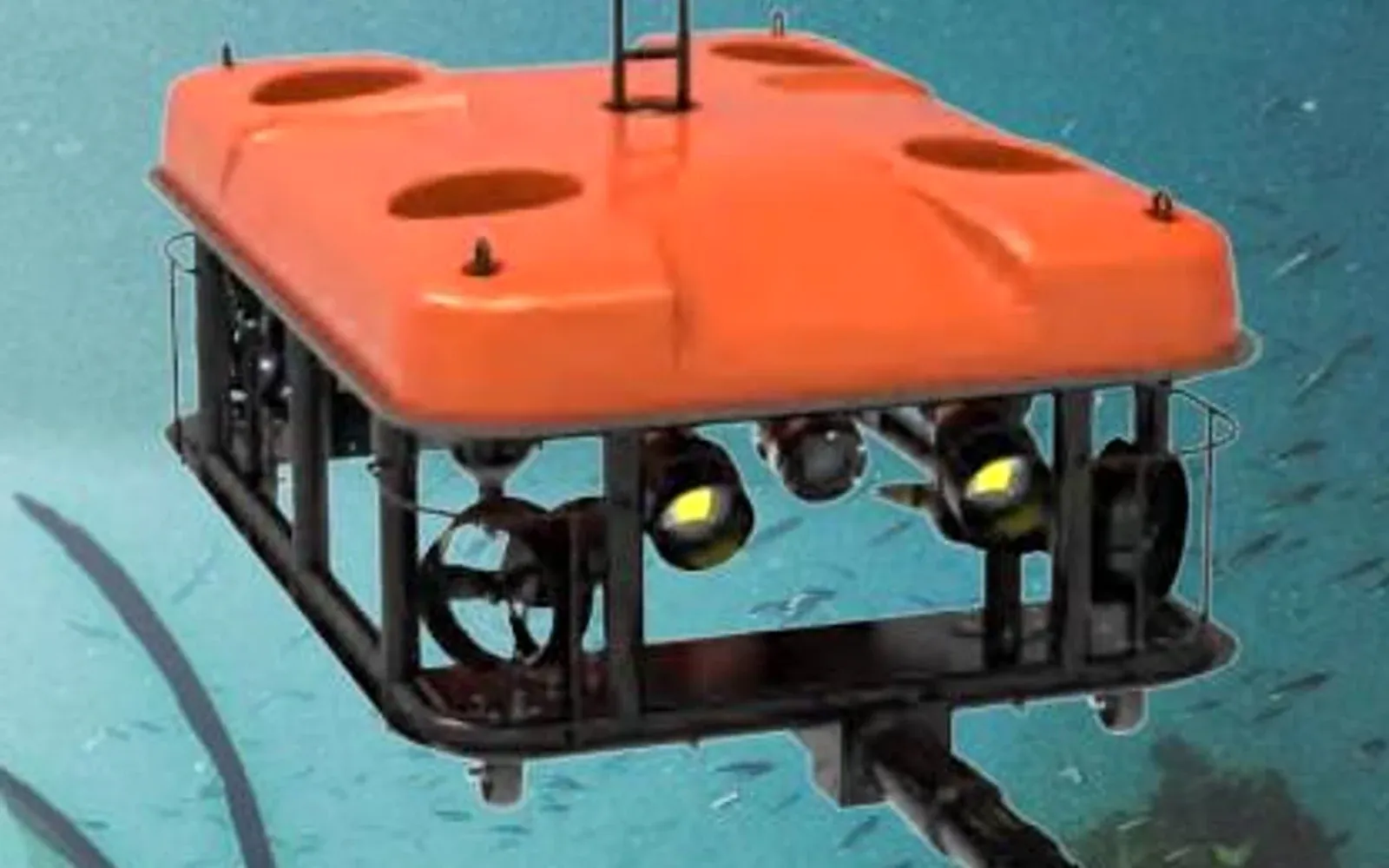
An ROV must launch, travel, reacquire and observe the contact in the site’s current and depth. Specify free-swimming thrust and station keeping, tether length and management, imaging sonar, camera and lighting, position reference, data recording and recovery plan.
The G70 work-class ROV is an example of a free-swimming platform class suitable for configured inspection and response work. By contrast, the Q180 in the OMNI UXV catalog is a 180 kg tracked hull-and-dam cleaning ROV; it should not be treated as a compact patrol vehicle.
Rehearse handoffs with surface security and port operations. The ROV operator may confirm a contact, but the security authority determines the response.
6. Evidence, Legal Scope, and Safety
Underwater surveillance and intervention authority depends on jurisdiction, facility status, navigational rules, environmental obligations and agency responsibilities. The security plan should state who may classify, close an area, launch assets, approach a person or vehicle, and preserve evidence.
Use one incident identifier across sonar, ROV media and operator logs. Preserve original measurements separately from assessments. Coordinate clocks and position references so a contact can be reconstructed later. Retention, access and disclosure need an approved policy before live operation.
The port and water security solution should connect the underwater chain to surface dispatch and facility incident management rather than operate as an isolated sonar console.
7. Acceptance and Lifecycle Cost
Acceptance should cover known targets, nuisance sources, current and visibility conditions, alarm review, barrier inspection, launch, transit, contact reacquisition, data export and a communications outage. Record the complete timeline and repeat weak stages until they meet the response objective.
Lifecycle cost includes bathymetric and clutter surveys, mounts, power and network, barrier maintenance, fouling removal, ROV crew and launch support, training, spares, software and periodic exercises. Allocate budget to the weakest stage of the chain instead of dividing it by an arbitrary percentage.
Use the resource library to prepare the survey and acceptance records and compare the underwater vehicle and sonar portfolio. For a site-specific detection-delay-response review, contact OMNI UXV with the protected boundary, target classes and operating conditions.
8. FAQs
Can side-scan sonar provide continuous diver detection in a harbor?
Side-scan sonar is primarily a survey and search tool, not automatically a continuous diver-detection system. Persistent protection normally requires a sonar and processing mode designed for live contact detection and tracking in the site's depth, clutter, and traffic.
Which ROV is appropriate for underwater security response?
Select an inspection or work-class ROV that can reach the contact with the required current, depth, tether, imaging sonar, camera, lighting, and station-keeping margin. A tracked hull-cleaning ROV should not be described as a compact free-swimming response vehicle.
How should a port measure underwater-security response time?
Measure from first detectable contact through classification, authorization, asset launch, transit, reacquisition, and surface-team action. Repeat the test in representative current, visibility, traffic, and staffing conditions.