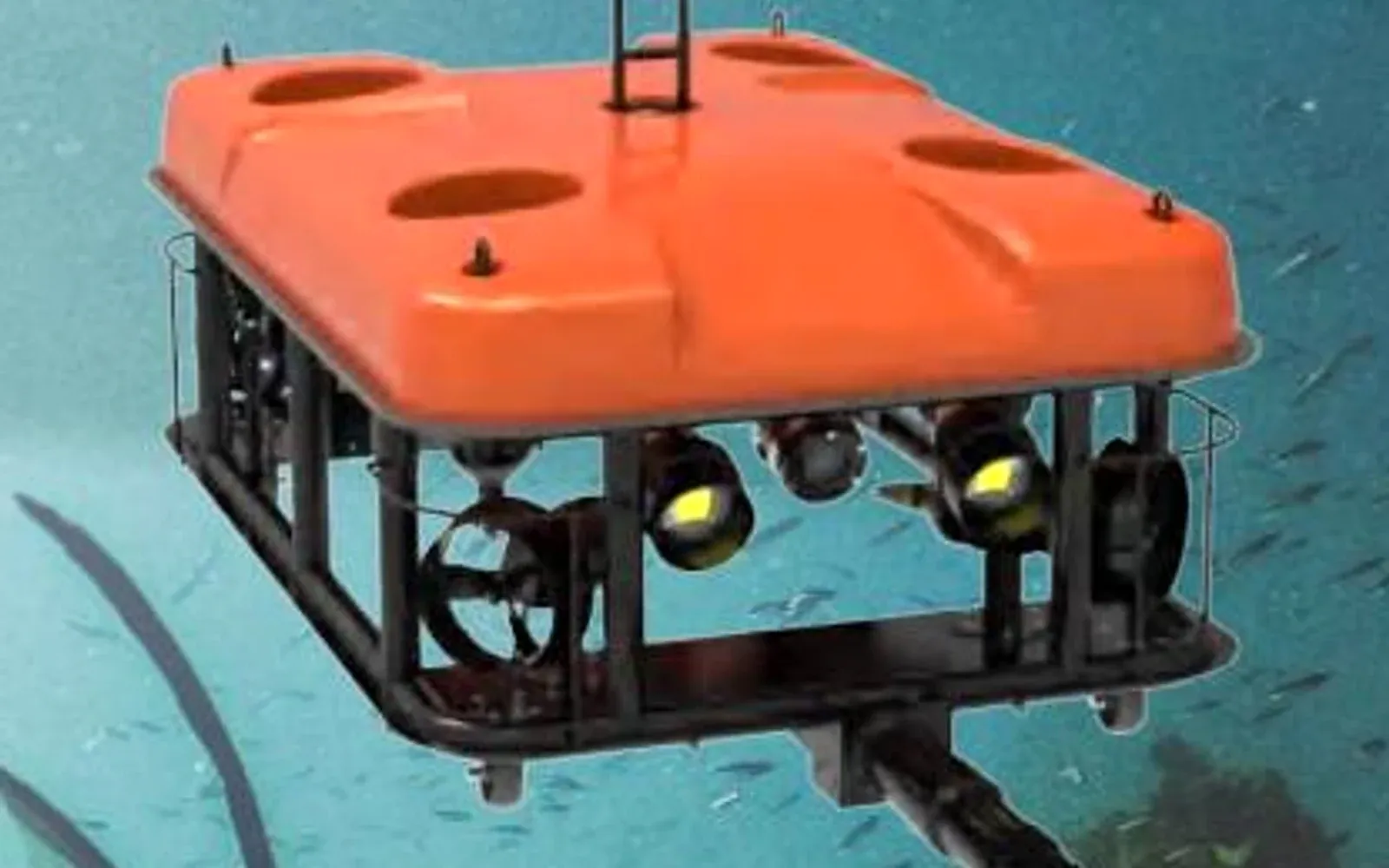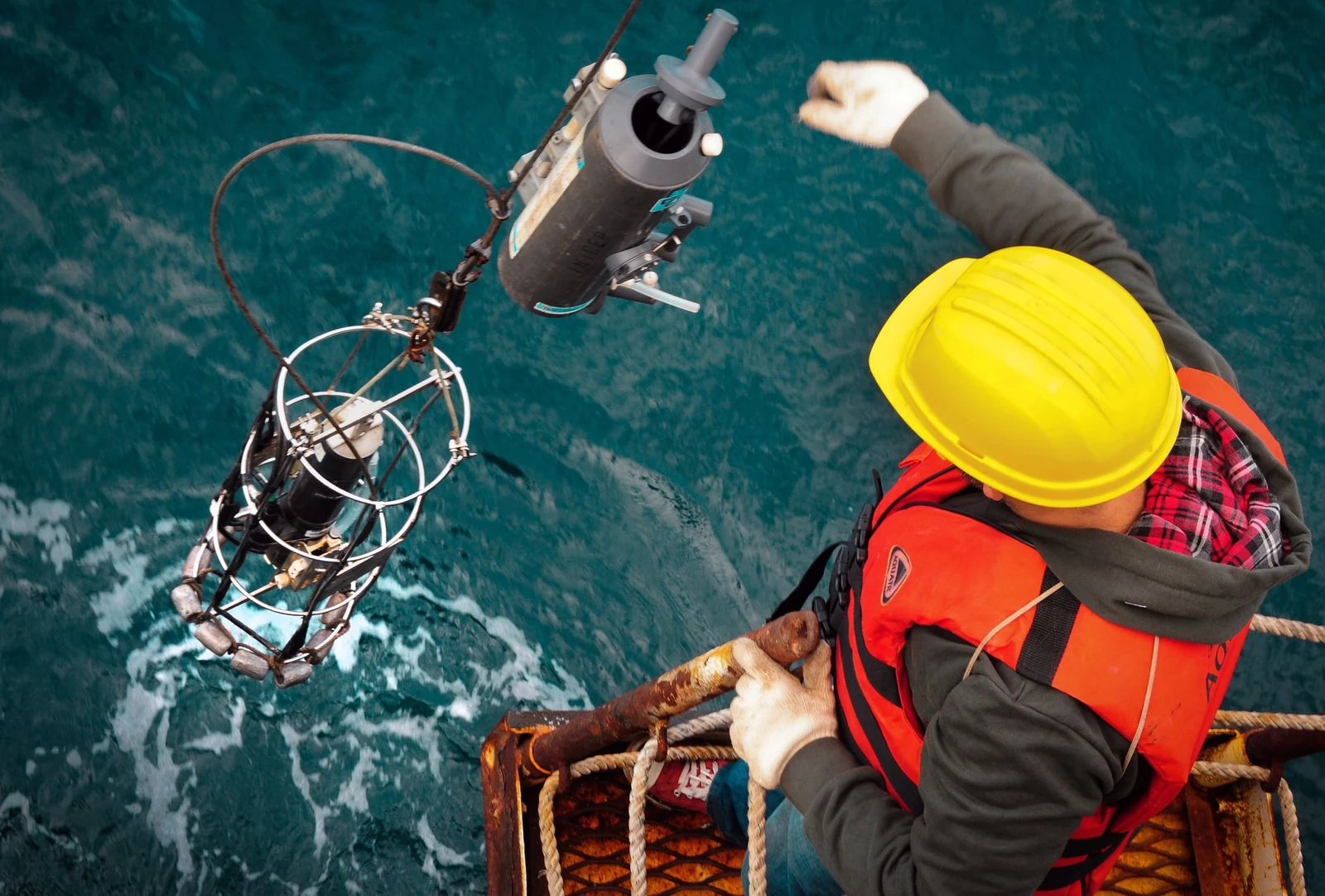
Resident subsea robotics changes inspection economics when repeated visits justify permanent underwater support infrastructure. The vehicle is only one part of the purchase: docking, power, navigation, communications and recovery determine whether residency produces useful availability. Evaluate the whole service cycle before comparing it with mobilized ROV work.
Table of Contents
The market signal is persistence
A 2026 resident-vehicle study reports deployment of a mini-class ROV and docking station at 90 m depth, including a 90% autonomous docking success rate in its experiments. The result is evidence for that research system and trial, rather than a universal reliability benchmark.
A separate industrial signal comes from Saipem’s Hydrone-R documentation, which describes a hybrid ROV/AUV system and distinguishes field-proven residence duration from its design goal. Research demonstrations and supplier operating records have different scopes, but both show why docking and persistent support have become procurement topics.
The forward-looking opportunity is shorter time between a question about an asset and a local inspection. Whether that is economical depends on how often the answer is needed and how difficult it is to mobilize a conventional survey.
Compare the complete service cycle
A resident system shifts some cost from repeated mobilization into fixed infrastructure and continuing support. It can also concentrate risk: a docking or power problem may affect every subsequent mission.
| Cost or capability | Mobilized ROV model | Resident model |
|---|---|---|
| Access to the asset | Arrange each campaign | Local vehicle availability within its envelope |
| Power and charging | Surface-supported deployment | Permanent or serviced underwater infrastructure |
| Navigation and return | Mission-specific setup | Repeatable return and docking capability |
| Tooling changes | Accessible between deployments | Limited by installed or subsea-changeable tooling |
| Maintenance | Recover equipment routinely | Planned service plus exceptional recovery |
| Data delivery | Campaign handover | Recurring transfer and review workflow |
The port asset inspection lifecycle guide explains why repeated observations must be comparable. Residency creates more opportunities to observe; it does not automatically make the datasets comparable.
Calculate the value of avoided mobilizations
A simple annual comparison can separate baseline cost into mobilization count multiplied by cost per mobilization, plus actual inspection work. The resident alternative includes annualized docking infrastructure, operations, servicing and expected recovery costs.
For infrequent tasks, the ROV rental vs purchase guide compares mobilization with ownership; residency is a different answer to the same frequency question.
For illustration, assume six conventional visits at $20,000 each, or $120,000 in mobilization alone. If a resident arrangement costs an assumed $70,000 per year for its incremental infrastructure and support, the apparent difference is $50,000 before differences in inspection labor, recovery and task capability. One expensive recovery or a required tool change can materially alter that result.
These inputs are hypothetical. The method exposes which costs the buyer must obtain, rather than implying a standard savings percentage.
A second scenario makes the risk visible. If two of the six conventional visits are replaced by resident tasks but one additional recovery is needed, the comparison must include the recovery vessel, access and lost availability. The resident option can still win, but it wins on avoided visits and response time, not on the $50,000 difference alone.
Make recovery a first-class requirement
Define what happens when the vehicle cannot dock, the base loses power, a communications path fails or the inspection payload becomes unavailable. A recovery procedure needs access, equipment and responsible personnel. A statement that the system is autonomous does not supply those resources.
Navigation also needs a configuration-linked validity model. The USBL positioning guide and DVL navigation guide explain different supporting measurements. Their roles should be specified for the resident system’s actual return and inspection tasks.
For port and water infrastructure, compare the proposed resident architecture with the practical ROV alternatives already capable of doing the work. A strong pilot demonstrates the full cycle repeatedly: task, depart, inspect, return, transfer data, recharge and recover from a defined fault.
Scale follows when the avoided mobilizations and improved response are worth the continuing infrastructure obligation. Keep supplier-specific performance records in the technical handover so that decision can be reviewed against the actual trial, not a concept video.
FAQs
Does a resident vehicle eliminate all vessel work?
No. Installation, maintenance, recovery and exceptional intervention can still require surface support. Model the visits avoided and the visits that remain.
Can a research docking success rate be used as a contract guarantee?
No. A result belongs to its specific vehicle, docking system, environment and trial definition. A purchase needs performance evidence for the delivered configuration and intended conditions.
When is a conventional mobilized ROV still a good fit?
It can be preferable for infrequent tasks, dispersed assets or work needing tools that are difficult to maintain underwater. Residency is most valuable when repeated local access offsets its infrastructure and recovery costs.
How should availability be measured for a resident system?
Define the task, the vehicle and dock state required, the acceptable weather and current envelope, and the recovery time after a fault. Measure successful task completions against scheduled opportunities, not just vehicle uptime.