A published flight-time value is not the time available for productive work. Mission endurance must include the installed payload, takeoff and transition, climb, transit, on-task maneuvering, wind, temperature, elevation, battery condition, diversion, landing, and the reserve required by the approved operating procedure.
Table of Contents
- 1. Separate Advertised, Demonstrated, and Usable Time
- 2. Draw the Mission as Energy-Bearing Segments
- 3. Carry the Installed Configuration Into the Budget
- 4. Add Environment, Battery Condition, and Data Quality
- 5. Make Reserve and Diversion a Decision Rule
- 6. Verify the Model With Repeatable Flights
- 7. FAQs
1. Separate Advertised, Demonstrated, and Usable Time
Advertised endurance is a configuration-dependent statement. Demonstrated endurance is what a specific aircraft achieved under stated conditions. Usable mission time is the portion an approved plan can allocate after all required segments, contingencies, and reserve.
Ask for the aircraft, payload, battery, firmware, takeoff mass, altitude, temperature, wind, speed, maneuver profile, landing criterion, and remaining energy associated with any claim. Without those fields, two flight-time numbers are not comparable.
FAA waiver guidance asks applicants to describe aircraft energy source, maximum flight time, range, speed, payload, and containment. Those questions are useful inputs for any mission budget even when a waiver is not involved.
2. Draw the Mission as Energy-Bearing Segments
Break the route into states that have different power or uncertainty: startup, takeoff, hover, transition, climb, outbound transit, turns, on-task collection, holding, inbound transit, descent, approach, landing, and post-landing operation. Add a diversion or safe recovery path from the most demanding point.
| Segment | Planning input | Measured field value | Main uncertainty |
|---|---|---|---|
| Takeoff/climb | Mass, elevation gain, target altitude | Energy and duration | Density altitude and wind |
| Transit | Distance, airspeed, course, terrain | Energy per distance/time | Headwind and routing change |
| On-task work | Pattern, hover, turns, payload mode | Energy per area, line, or dwell | Rework and maneuvering |
| Return/diversion | Farthest decision point and alternate | Energy under representative wind | Wind forecast error and detour |
| Landing/reserve | Approach, go-around or recovery logic | Remaining energy and voltage behavior | Battery condition and site availability |
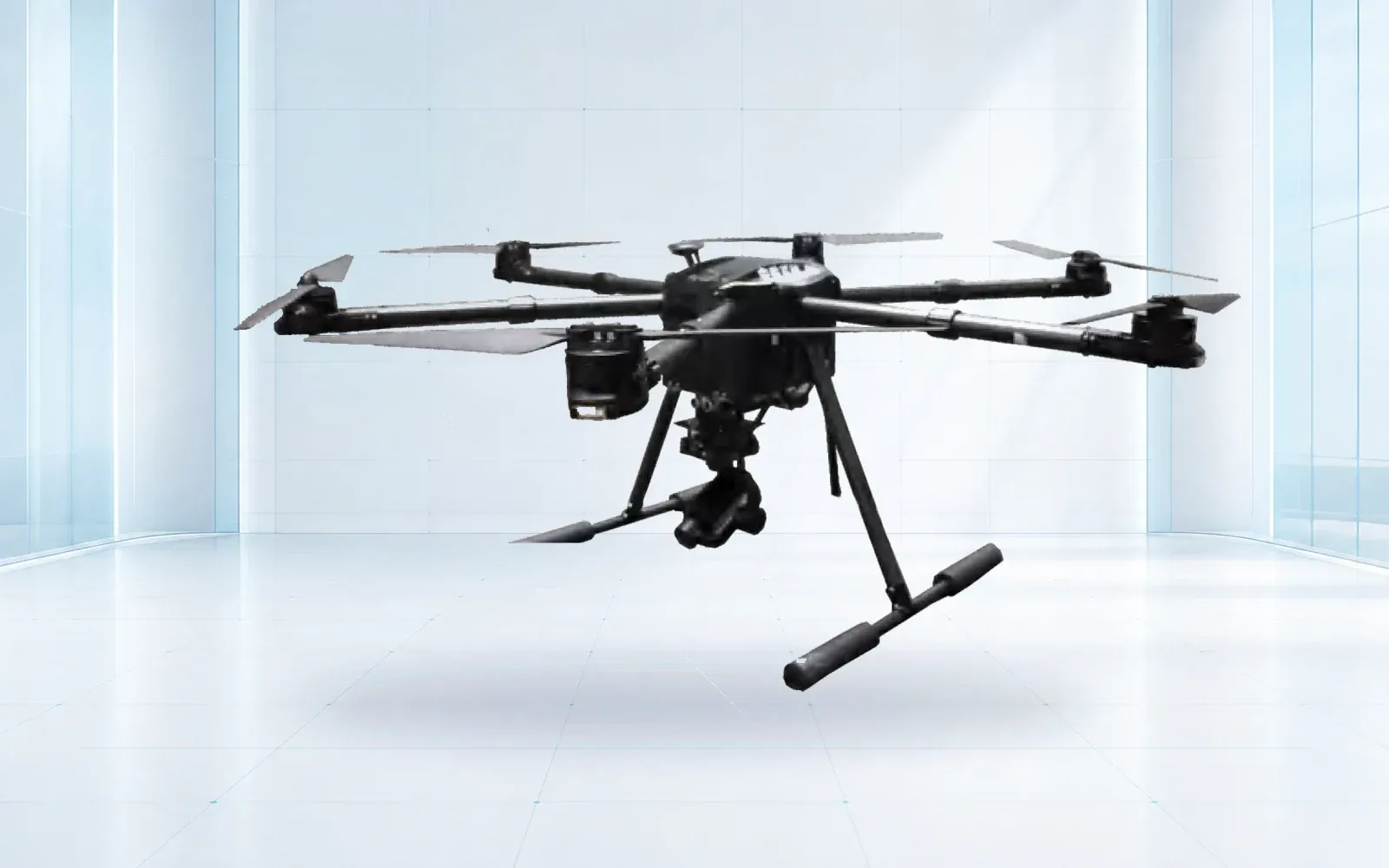
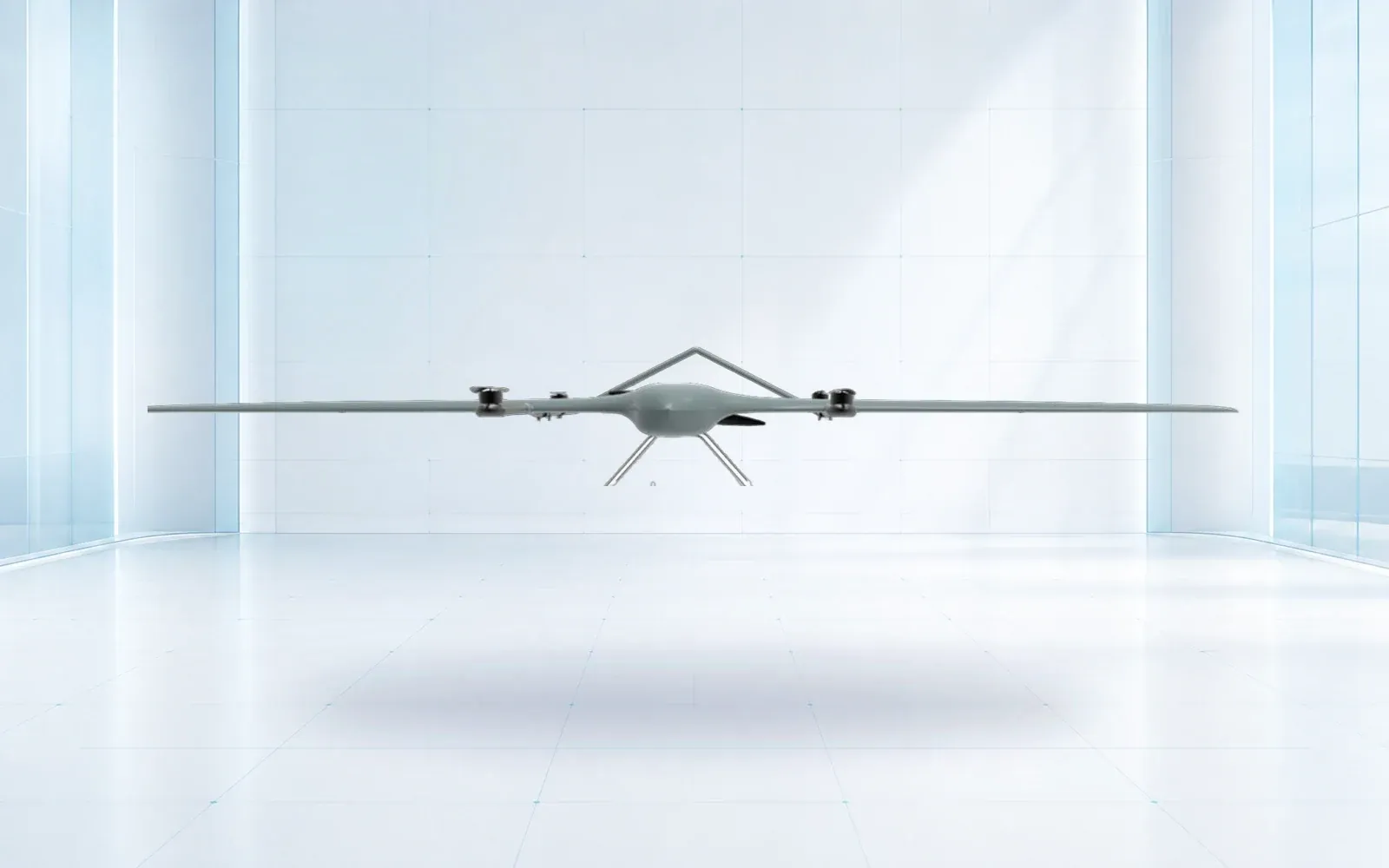
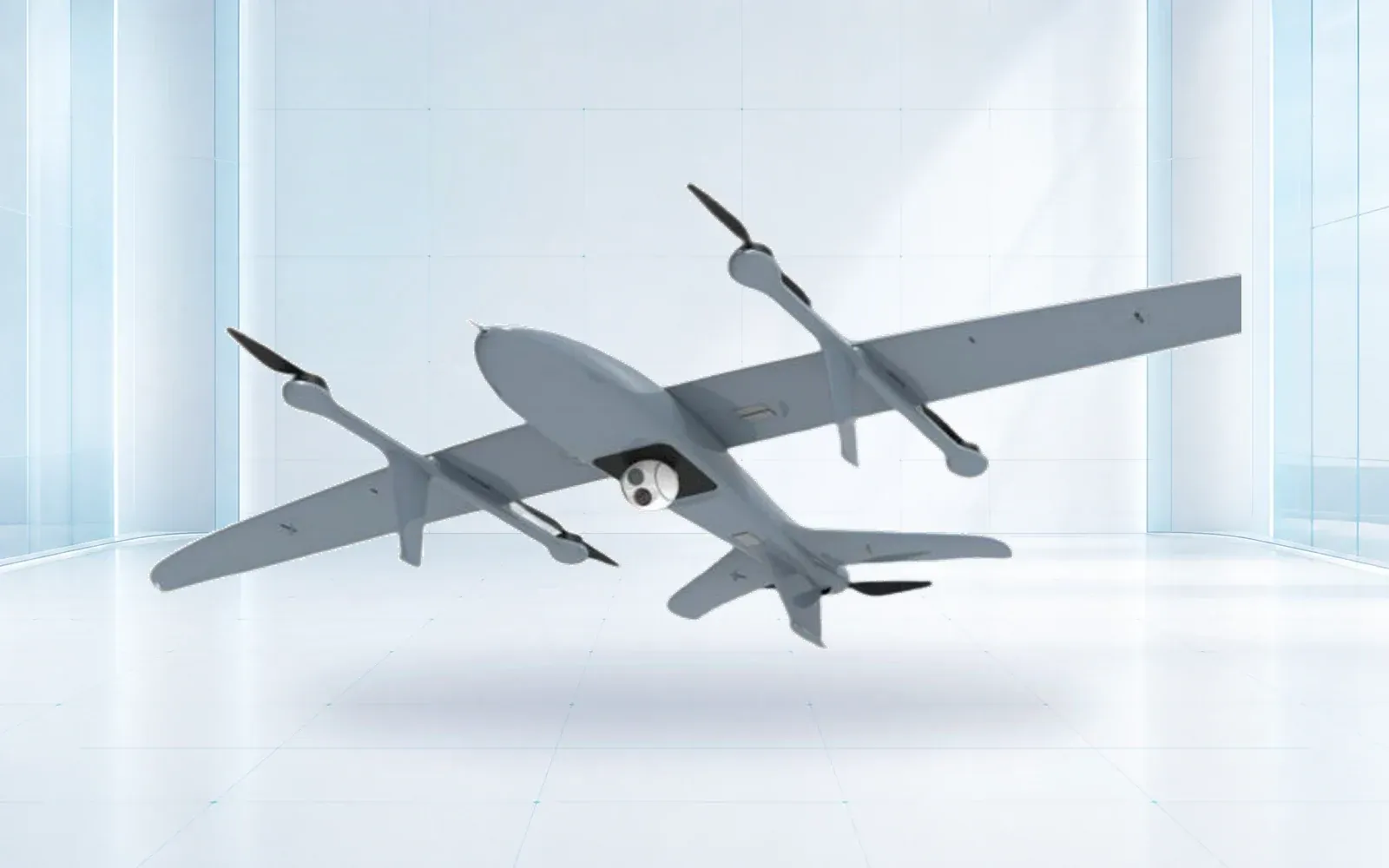
For a multirotor, hover and slow maneuver may dominate. For a fixed-wing aircraft, climb, turns, loiter, and transition on a VTOL design may matter. Use measured segments rather than one average-power assumption.
3. Carry the Installed Configuration Into the Budget
Record complete mass, center of gravity, payload power, external drag, data link, antennas, environmental protection, and ground-control mode. A payload may consume energy directly and also increase propulsion power or force a slower, more maneuver-intensive mission.
The payload integration guide defines the configuration baseline. If the payload, mount, battery, propeller, firmware, or mission speed changes, review the endurance evidence before reusing the budget.
FAA AC 107-2 notes that weight, loading, elevation, temperature, humidity, launch area, and obstacles can affect performance. Do not treat a maximum takeoff mass as proof that the aircraft can safely complete every mission at that mass.
4. Add Environment, Battery Condition, and Data Quality
Model headwind and crosswind by route direction, not only a site-average value. Include temperature, elevation, precipitation limits, turbulence, and terrain-driven climb. Define the wind source, forecast horizon, field observation, and the threshold for shortening or cancelling the route.
Track battery identifier, age or cycle measure available from the system, storage history, charge state, temperature, voltage behavior, and observed capacity. Establish removal and investigation rules from controlled maintenance data rather than a single unexpected landing.
Energy is only useful if the mission output is accepted. A faster flight may reduce image quality or overlap; a lower altitude can increase detail while increasing path length. Budget the flight pattern required for the delivered result, not merely airborne time.
5. Make Reserve and Diversion a Decision Rule
Do not hide reserve inside an optimistic time deduction. State when the aircraft must begin return, which landing sites are permitted, how wind or link degradation changes the decision, who can continue, and what evidence is logged.
Build the worst credible point into the route: maximum distance, highest terrain, loss of the preferred landing site, required hold, or a section that must be reacquired. The approved aircraft manual, operator procedure, applicable rules, and risk assessment set the reserve—not this article.
The drone communication-system guide helps align return logic with command-and-control coverage. Endurance and link budgets should share the same route and contingency points.
6. Verify the Model With Repeatable Flights
Fly the exact configuration over a representative route. Log segment timestamps, position, altitude, speed, battery state, voltage, current or energy fields available from the system, wind observation, payload mode, warnings, interventions, and landing state. Repeat enough to expose normal variation rather than selecting the best run.
Compare planned and observed energy by segment. Investigate model bias, outliers, wind sensitivity, battery spread, and data-quality failures. Accept a bounded envelope and define retest triggers for payload, battery, firmware, route, temperature band, elevation, speed, or reserve-policy changes.
Review candidate configurations in the industrial UAV portfolio and use the critical-infrastructure solution to connect endurance with inspection coverage and operational response. Store the approved budget and evidence in the resource workflow, where operators can retrieve the current configuration rather than an obsolete spreadsheet.
7. FAQs
Can drone flight time be calculated from battery watt-hours alone?
Watt-hours divided by power is only a starting relationship. Power changes by flight segment, payload, speed, wind, density altitude, maneuvering, aircraft configuration, battery state, and environmental condition.
What reserve percentage should an industrial drone mission use?
There is no universal percentage. Use the aircraft limits, approved operating manual, jurisdiction, mission risk, landing options, battery behavior, wind uncertainty, and measured representative-flight data.
How should a buyer verify a flight-time claim?
Test the exact delivered configuration on a representative route, record energy by segment and environmental condition, repeat the mission, include diversion or hold logic, and accept a bounded operating envelope.