An ONVIF profile is an interoperability scope, not a promise that every camera feature will work in every client. Specify Profile T for the required video functions and Profile M for the required analytics metadata, then verify the exact device and client versions together. A live picture alone does not prove that events, permissions or recovery work.
Table of Contents
- Translate the Profile Name into Required Functions
- Use Profile T for Video and Profile M for Analytics Exchange
- Keep interoperability separate from analytics performance
- Verify the Exact Product and Firmware
- Treat Secure Transport as Its Own Acceptance Item
- Test Events and Recovery Alongside the Picture
- Plan Profile S Migration Around Operations
- Accept a Working Interface, Not a Badge
- FAQs
Translate the Profile Name into Required Functions
Begin with the work the client must perform. Does it need live video, pan-tilt-zoom control, event subscriptions, object metadata, secure transport or a particular combination? Identify the device producing each function and the application consuming it.
“ONVIF compatible” is too broad for an acceptance requirement. A camera may deliver a usable stream while a client ignores its metadata. An event may arrive but lack the object identifier needed to connect it to a recording. Those are different integration outcomes.
Write one requirement per function, including its expected output and the version of each endpoint. Keep proprietary extensions separate from standardized functions so a later replacement does not depend on an undocumented vendor feature.
The wider security-platform integration checklist covers event ownership and operational workflows. This article focuses on the protocol boundary: what the device sends, what the client understands and how that agreement survives change.
Use Profile T for Video and Profile M for Analytics Exchange
ONVIF Profile T covers advanced video streaming, including H.264 and H.265, imaging functions, metadata streaming and events such as motion and tampering. Requirements differ between devices and clients, and some features are conditional. Do not turn the profile’s feature list into a claim that every listed function is mandatory on every product.
Profile M addresses analytics metadata and events. It helps applications exchange information about objects and analytics results. It does not certify that a camera identifies every object correctly or that two analytics engines use identical operational thresholds.
| Project requirement | Relevant profile or status | What still needs checking |
|---|---|---|
| Advanced video and associated control functions | Profile T | Device/client roles, required codec and supported functions |
| Analytics metadata and events | Profile M | Object fields, event behavior and actual client consumption |
| Existing basic video integration | Profile S legacy deployment | Installed support, authentication and migration constraints |
| Future cloud-connected video procurement | Profile V release candidate in July 2026 | Final specification status and actual conformant products |
A useful specification names the metadata fields the application needs. For a perimeter event, those might include the source, event time, object identifier and relevant region. The required fields depend on the workflow; an integration should not silently invent a value when the source provides none.
Keep interoperability separate from analytics performance
Test transport and interpretation first: did the intended event arrive, with the expected fields, at the correct client? Test detection quality separately against representative observations.
An interoperable false alarm is still a false alarm. Conversely, a capable analytics engine provides little operational value if its event cannot be associated with a camera, recording or operator action.
Verify the Exact Product and Firmware
Use the ONVIF conformant-products database to check the actual model and software or firmware version. ONVIF states that conformance is tied to the listed version. Company membership is not proof that every product from that company is conformant.
Keep the database reference with the equipment schedule. Record the device version, client version, claimed profiles and the functions used in the project. If a proposed update changes one endpoint, review the resulting combination rather than carrying forward a generic approval.
Distinguish a direct ONVIF connection from a gateway or proprietary connector. A gateway can be a legitimate design choice, but it introduces another software version, support owner and possible translation boundary.
The IRVMS-5000 integration platform and IRVMS-6000 critical-site platform are relevant system candidates. Their product pages do not by themselves establish ONVIF profile conformance. Request the proposed connector architecture, supported endpoint versions and project-specific test evidence.
Treat Secure Transport as Its Own Acceptance Item
A successful stream is not a security test. Specify how accounts, authentication, certificates, network access and device administration will be managed.
Profile T includes security-related capabilities, but a profile label does not prove that an installed path uses the required secure configuration. Verify the actual endpoints and settings. Check which functions remain available with the project’s authentication and transport requirements enabled.
Test account removal and privilege boundaries as well as initial login. An operator who can view a stream should not automatically be able to alter camera configuration or export unrestricted evidence.
Test Events and Recovery Alongside the Picture
Run a small end-to-end acceptance sequence before expanding the camera count. Generate a representative event, inspect the received fields, find the corresponding recording and confirm what the operator can do with it.
Then interrupt the connection in a controlled test. Record whether the client shows the loss of service, whether event subscriptions recover and whether missing or repeated events are distinguishable. A camera that returns to live view may still have a broken event path.
Include clock errors, device restarts and a client restart. If an event is received late, the platform should distinguish its source time from its arrival time. Preserve enough diagnostic information to identify which component failed without distributing credentials or unnecessary personal data.
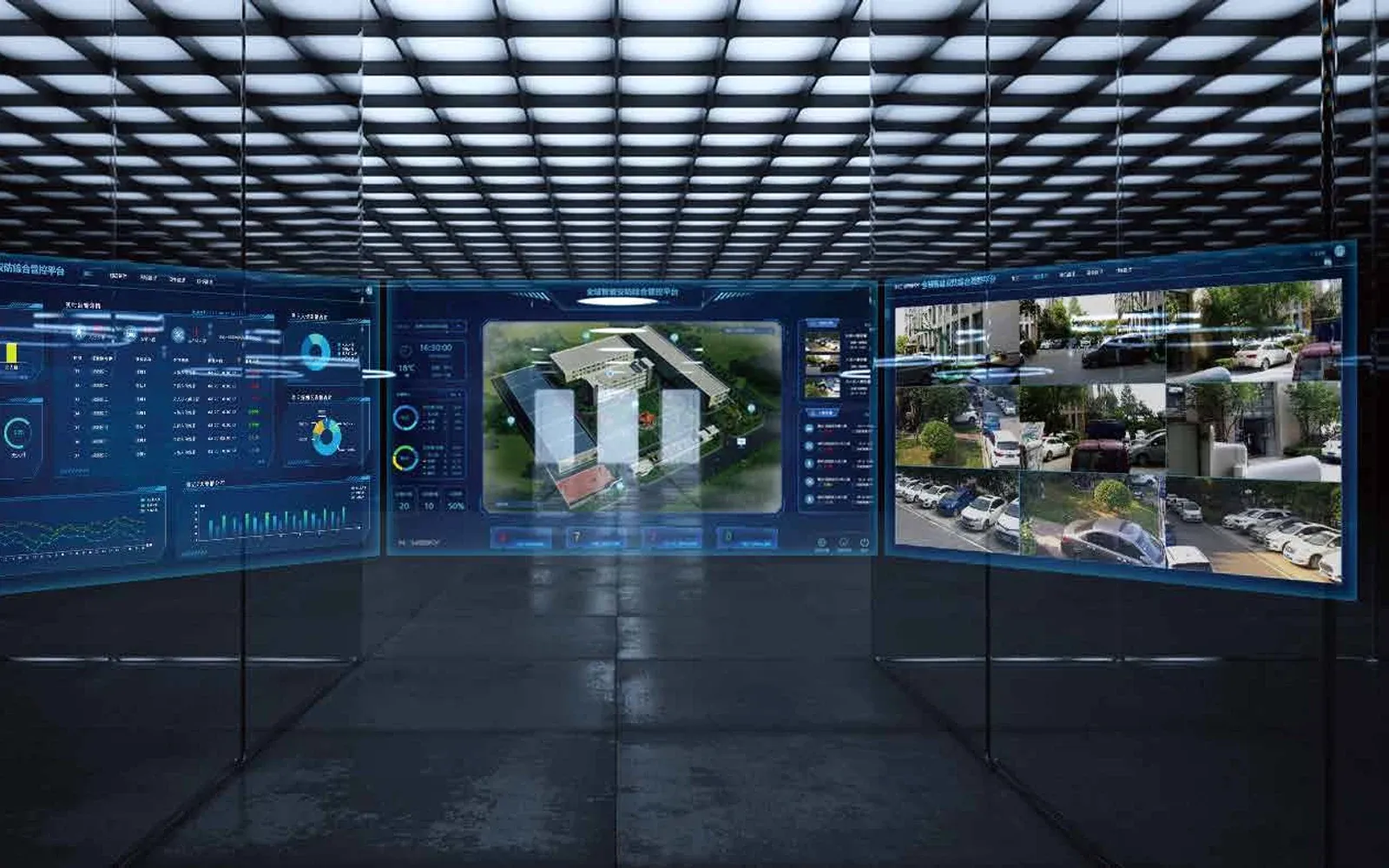
The resulting evidence should include endpoint versions, configuration, observed events, recordings where appropriate and unresolved limitations. A screenshot of several live tiles is not an adequate substitute.
Plan Profile S Migration Around Operations
ONVIF’s Profile S deprecation Q&A identifies March 31, 2027 as the end of support for new Profile S conformance submissions. That is not a date on which existing cameras are instructed to stop streaming.
Use the period before migration to inventory dependencies. Some devices may have a supported upgrade path; others may require replacement or a constrained legacy connection. Confirm the available options with the supplier, including security support, before committing to a rollout.
Pilot the new configuration with representative devices and workflows. Preserve the known-good baseline and an approved rollback path. Schedule changes around the site’s operating needs rather than converting all devices because a profile name appears newer.
A second development belongs on the roadmap, not in an unconditional purchase claim: ONVIF released the Profile V draft on July 9, 2026 for cloud-connected video. At this article’s August 25 review, that announcement described a release candidate. Recheck final status and product support when evaluating a cloud deployment.
Accept a Working Interface, Not a Badge
The final deliverable is a tested matrix linking required functions to device versions, client versions and evidence. It should also identify the support boundary, update procedure and conditions that require regression testing.
This approach fits the broader security-platform category and a critical-infrastructure protection architecture without assuming that every site needs the same camera features. Keep the product catalog and project interface schedule aligned.
For an integration review, send OMNI UXV the camera models, firmware versions, client architecture and required video and metadata functions.
FAQs
What is the difference between ONVIF Profile T and Profile M?
Profile T addresses advanced video-streaming functions, while Profile M addresses analytics metadata and events. Their scopes can overlap in a deployment. Specify the required device and client functions rather than treating the letters as interchangeable product grades.
Does ONVIF conformance mean every feature is supported?
No. Profiles distinguish mandatory and conditional functions, and device and client requirements differ. Check the exact product and software version in ONVIF's conformant-products database, then test the functions required by the project.
Will Profile S cameras stop working on March 31, 2027?
No. ONVIF's announced deadline concerns support for new Profile S conformance submissions, not a remote shutdown of installed cameras. Existing systems still need a supported security and migration plan.
Is Profile V already a replacement for an installed video integration?
As of this article's August 25, 2026 review, ONVIF had released Profile V as a release candidate for cloud-connected video. A draft announcement is not proof of final conformance or compatibility with a particular installed system.