Physical security software should be compared as an operating and integration program, not as a license list. The delivered cost is shaped by event normalization, connectors, procedures, identity, infrastructure, testing, cybersecurity, training, support, and every future system change.
Table of Contents
- Define the Operating Decisions the Platform Must Support
- Inventory Systems, Events, Identities, and Evidence
- Compare Native Connectors With Custom Integration
- Test Operator Workflow and Degraded Operations
- Price Licenses, Integration, Support, and Change
- Include Cybersecurity and Data Governance in Acceptance
- Select a Platform With a Scored Proof of Capability
- FAQs
Define the Operating Decisions the Platform Must Support
Start with a small set of high-consequence operating scenarios: unauthorized perimeter entry, access alarm with video confirmation, multi-sensor intrusion, loss of a critical camera, or evacuation-related access changes. For each, document trigger, context, operator decision, procedure, responder, time limit and evidence record. These scenarios become the basis for demonstrations and acceptance.
Do not buy a broad “single pane of glass” promise without defining what must become simpler. Count screens, logins, manual lookups, duplicate data entry, phone calls and minutes to resolution in the current process. Set a measurable target while preserving human authorization for consequential actions.
The conceptual boundary also matters. Video management, access control and intrusion systems can remain systems of record while a physical security information management layer correlates their events and guides response. The PSIM-vs-VMS comparison helps define that architecture; this article focuses on procurement and delivered cost.
Inventory Systems, Events, Identities, and Evidence
Create an interface inventory before requesting a final price. Record product and version, protocol or API, authentication, event and command types, data volume, time source, network zone, owner and expected change schedule. A claim that a vendor “supports access control” does not prove it supports the buyer’s version or required operations.
Define a normalized event schema: source, device, time, location, object or identity, event type, severity, confidence, status and linked evidence. Map vendor-specific fields into it and define how unknown or missing values are shown. This lets procedures and analytics survive an upstream replacement.
| Cost layer | Questions to normalize | Evidence in the proposal |
|---|---|---|
| Platform license | By server, site, device, event, user or feature? | Five-year quantities and growth assumptions |
| Connectors | Native, configured, customized or newly developed? | Exact versions, supported functions and owner |
| Infrastructure | On-premises, cloud, hybrid, storage and failover? | Sizing model and degraded-operation design |
| Engineering | Event model, maps, procedures, roles and reports? | Deliverables and acceptance traceability |
| Operations | Administration, training, monitoring and changes? | Staffing assumptions and service levels |
| Lifecycle | Upgrades, third-party versions, test lab and migration? | Included term, exclusions and unit rates |
Asset inventory is also a cybersecurity control. NIST’s June 2026 OT asset-management initial public draft reinforces the role of an accurate technology inventory in managing operational-technology risk.
Compare Native Connectors With Custom Integration
Classify every connector. A native, maintained integration can reduce delivery risk, but only if the tested version and needed functions match. A standards-based interface may still need mapping and error handling. A custom connector adds discovery, development, cybersecurity review, test equipment, documentation, monitoring and long-term maintenance.
Require a responsibility matrix. When an event disappears after an upstream upgrade, who reproduces the fault, captures logs, coordinates vendors, supplies a patch and reruns regression tests? A connector with no named lifecycle owner is deferred cost.
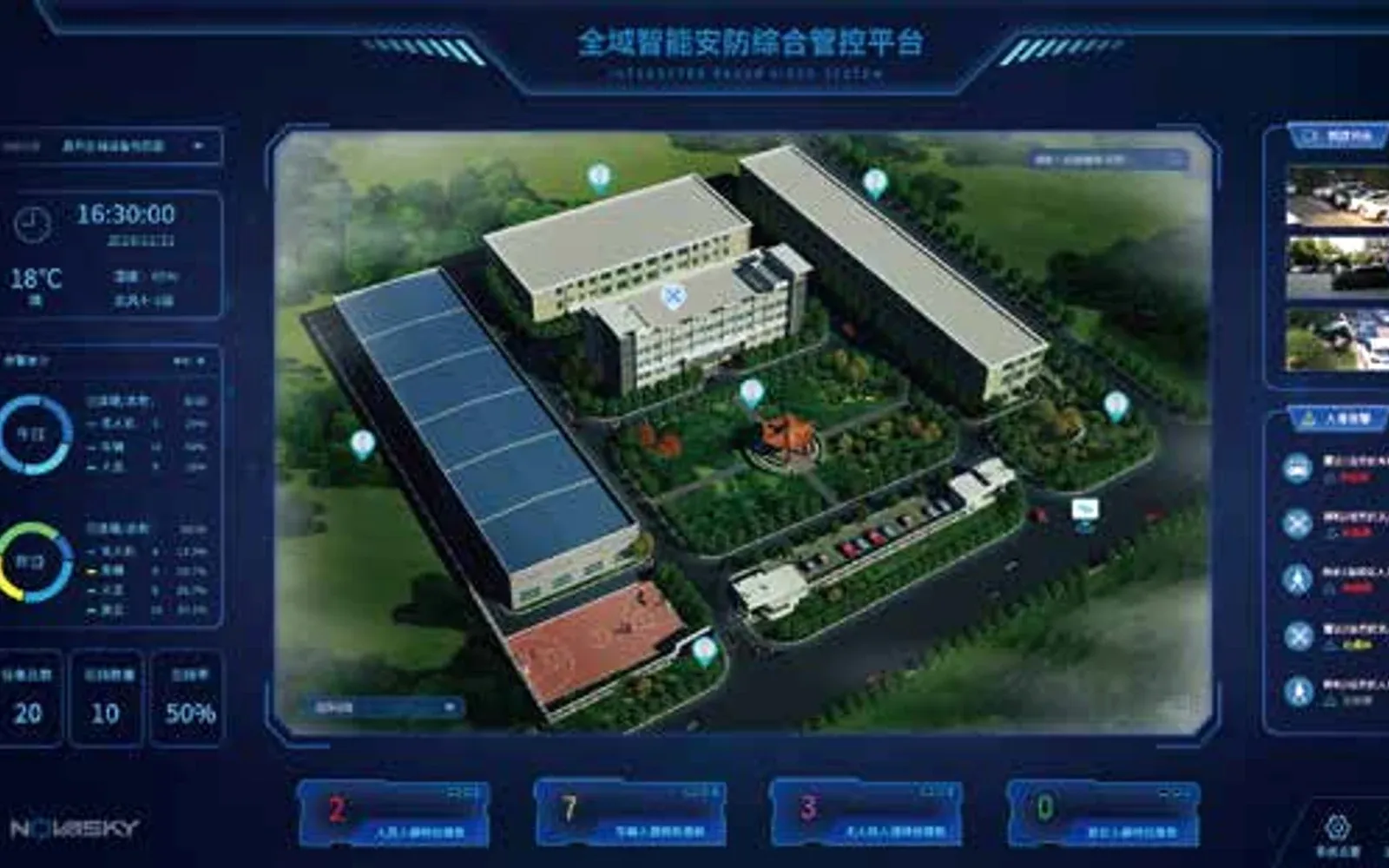
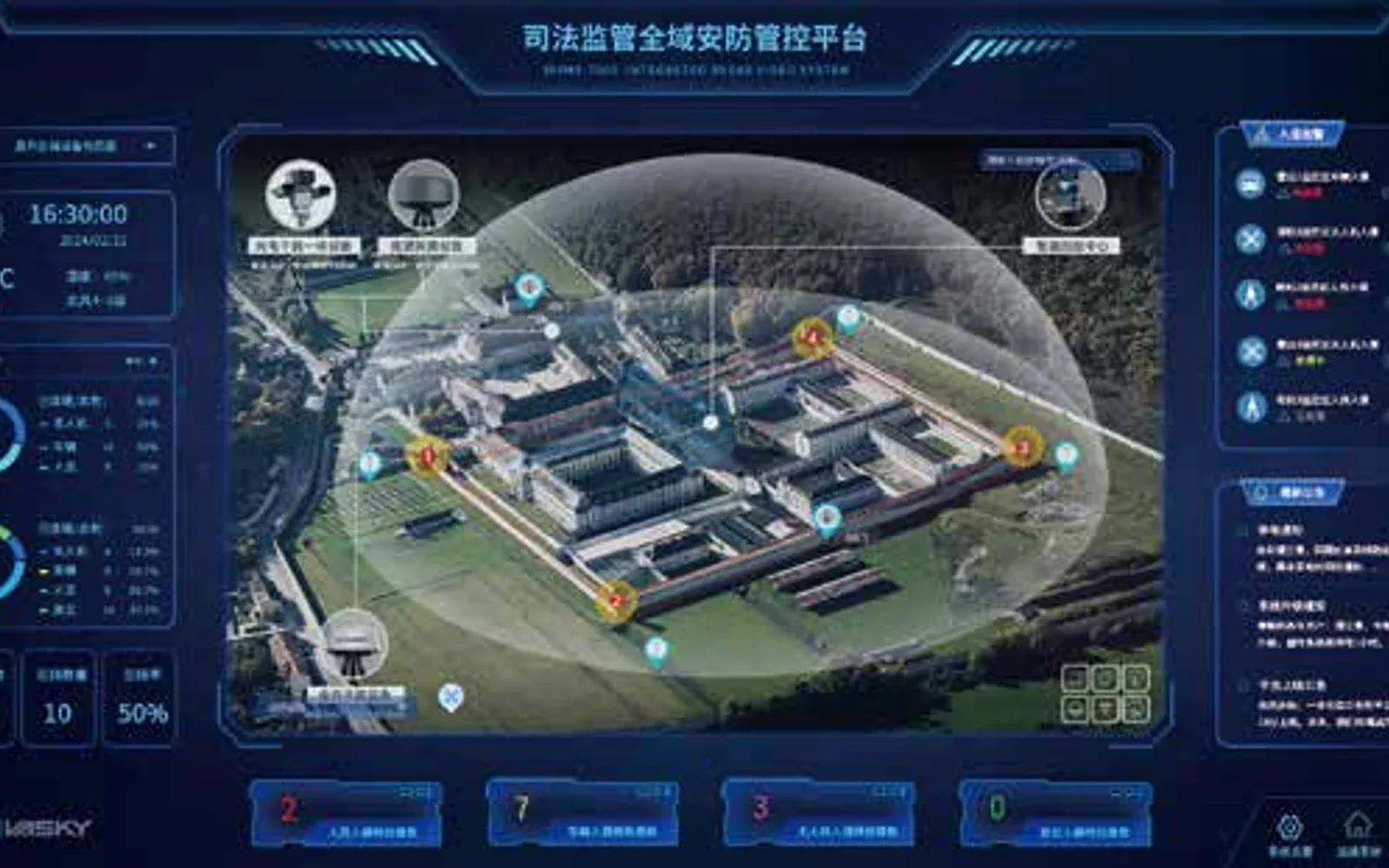
The IRVMS-5000, IRVMS-6000 and IRVMS-6100 provide reference scales for integrated security management. The exact device counts, connectors, deployment topology and workflows must be confirmed rather than inferred from the platform tier.
Test Operator Workflow and Degraded Operations
Measure complete scenarios. An alarm should arrive with understandable source and confidence, map to the correct location, present relevant video or data, invoke the right procedure, record acknowledgement and escalation, and export a coherent incident record. Count unnecessary clicks and opportunities to acknowledge the wrong event.
Test alarm storms and ambiguous inputs, not just one clean event. Role-based views should prevent operators from being overwhelmed while supervisors retain context. Procedures should allow justified deviations and record them rather than forcing staff to work outside the system.

Disconnect a sensor network, identity service, map service, storage target and platform node during the proof of capability. Verify visible health state, local buffering, recovery order and duplicate-event behavior. Degraded operation is an acceptance requirement, not a disaster-recovery appendix.
Price Licenses, Integration, Support, and Change
Use a model that another reviewer can recalculate. At minimum, expose these drivers instead of burying them in one five-year figure:
| TCO driver | Quantity or event basis | Contract evidence |
|---|---|---|
| Core platform | Sites, servers, users, devices, event rate and retained data | License metric, included functions and growth bands |
| Interfaces | Exact products/versions and read/write/event functions | Connector classification, owner and regression-test scope |
| Operating design | Maps, event normalization, procedures, roles and reports | Configured deliverables and acceptance traceability |
| Resilience and security | Redundancy, backup, monitoring, identity, logging and update controls | Architecture, recovery objectives and test cases |
| People and change | Training cohorts, administrators, new sites and upstream upgrades | Unit rates, included support and change assumptions |
| Exit exposure | Data/configuration export, migration help and decommissioning | Formats, assistance rate and deletion/retention procedure |
Calculate base, expected-growth and material-change cases. Report both total cost and cost per accepted scenario or functionally integrated endpoint; a device count alone cannot show whether a connector delivers the required event and action.
Build a five-year cost model from the same baseline for every bidder. Include platform and database licenses, hosting, storage, servers, high availability, test environment, connectors, configuration, migration, maps, procedures, cybersecurity, site work, training, support, travel and acceptance. Add expected changes such as new sites, camera growth and third-party version upgrades.
Separate fixed, quantity-based and conditional costs. Request unit rates for another device, connector, site, workflow, training cohort and support year. Define whether a subscription includes upgrades, and whether those upgrades include testing custom integrations. Price data export and exit assistance so switching cost is visible.
The better commercial denominator is an accepted operating scenario or integrated endpoint with defined functions—not merely a licensed device. This prevents a low license price from concealing high engineering or administrative labor.
Include Cybersecurity and Data Governance in Acceptance
Physical security platforms hold sensitive locations, identities, camera views, alarms and response actions. Require role separation, least privilege, multifactor support where appropriate, encryption, credential handling, audit logs, backup, vulnerability handling and a documented update process. Segment management and sensor networks according to the facility architecture.
NIST’s final SP 1800-35 Zero Trust Architecture practice guide provides current implementation examples without prescribing one product. Its principles support testing identities, policies and access paths instead of trusting network location. NIST SP 800-61r3 also frames incident response as part of broader cybersecurity risk management.
Define retention and access for raw events, video references, operator notes, exported reports and administrative logs. Test time synchronization and legal holds where applicable. Require a machine-readable export and configuration backup so evidence and operations are not trapped in a proprietary interface.

Select a Platform With a Scored Proof of Capability
Shortlist on mandatory interfaces, deployment constraints and supportability, then run a paid or contractually defined proof of capability using representative systems. Keep several test events blind. Score event fidelity, latency, workflow completion, usability, failure visibility, recovery, auditability and effort to configure a new scenario.
Use the security platform integration checklist to turn the winning concept into a controlled delivery plan. The critical infrastructure protection solution shows how the platform connects detection, verification and response, while the security-platform category supports configuration comparison. Review the compliance library for applicable sector obligations. For a normalized RFP and proof-of-capability scorecard, contact OMNI UXV with systems, versions, sites, user roles, scenarios and five-year growth assumptions.
For a sector example where software must correlate air, landside, waterside and underwater events, the port security system procurement guide shows how platform acceptance connects to physical zones and response ownership.
FAQs
Is physical security software the same as a VMS?
Not always. A VMS centers on video, while a broader management or PSIM layer may correlate events from video, access control, intrusion, radar, communications and procedures.
Why are two PSIM software prices difficult to compare?
Quotes may use different device, event, user, site, connector, storage and support assumptions, and may exclude integration engineering, testing, training or future upgrades.
What belongs in a physical security software proof of capability?
Use the buyer's real event flows and representative systems to test ingestion, normalization, correlation, operator action, evidence export, permissions, failures and recovery.
How should buyers estimate connector lifecycle cost?
Include discovery, development, vendor coordination, lab and site testing, version changes, monitoring, fault isolation, documentation and support ownership for each interface.