

Engineering Guide
Border Surveillance Systems: Layered Coverage and Acceptance
Design border surveillance around terrain, target classes, radar and EO/IR handoffs, UAV response, communications, privacy, maintenance, and acceptance evidence.
OMNI UXV Technical Insights · 167 articles · Page 17 of 19
Practical guidance for selecting, integrating and operating unmanned, sensing and security systems—from mission definition and procurement to compliance, acceptance and lifecycle support.
Technical editorial archive
Showing 145–153 of 167
Design border surveillance around terrain, target classes, radar and EO/IR handoffs, UAV response, communications, privacy, maintenance, and acceptance evidence.
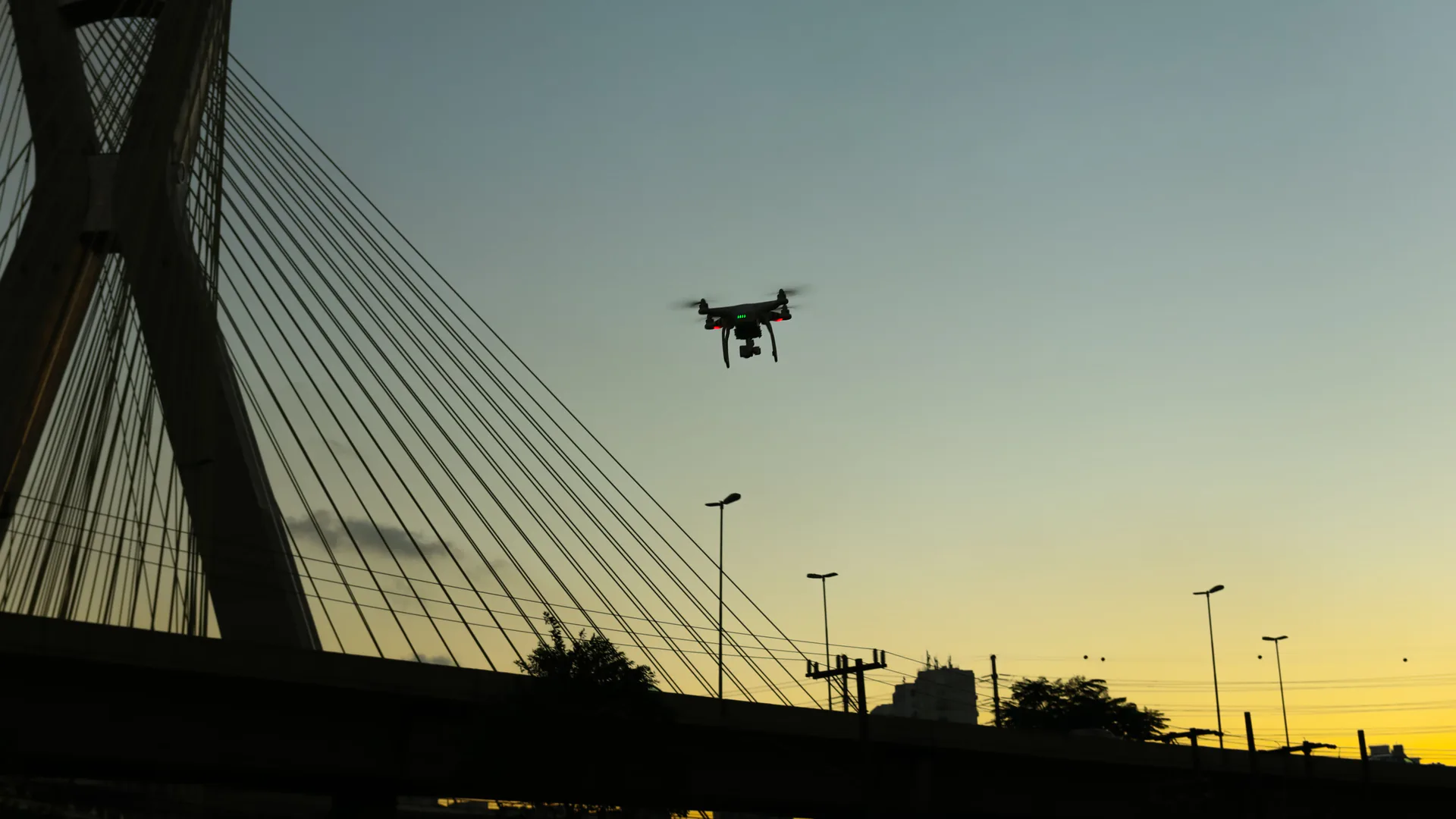
Select a counter-UAS architecture by threat, site geometry, legal authority, sensor handoffs, command workflow, mitigation controls, and acceptance evidence.

Compare radar, RF, EO/IR, acoustic, and Remote ID drone detection by observable signal, silent-target behavior, environment, false alarms, and test evidence.

A 2026 guide to police counter-drone detection, evidence workflows, SAFER SKIES authorization, form factors, testing, and procurement.

Design an integrated mine safety monitoring system across atmosphere, slope, seismic, tailings, personnel, communications, alarm logic, and regulatory evidence.

Design and procure roadside radar, video, and infrared fusion with clear modality roles, calibration, event schemas, privacy, cybersecurity, and acceptance tests.

Build a port inspection lifecycle across asset registers, above-water survey, sonar, ROV imaging, cleaning, NDT, defect decisions, and repeatable evidence.

A practical map of the smart-city radar sensor market, covering demand segments, technology choices, vendor types, costs, and procurement evidence.

Plan underwater security for ports and critical sites with sonar detection, classification, barriers, ROV response, environmental testing, evidence, and maintenance.
Content hierarchy
Categories keep the editorial library navigable as it grows. Each article links to its parent product category, relevant solution architecture and supporting resources.
System architecture, sensing, interfaces and acceptance methods.
Selection frameworks that turn datasheet claims into testable requirements.
Field workflows, alarms, evidence and human decision-making.
Current policy signals and their practical implications for procurement.
Transaction due diligence, classification and documentation workflows.
Use the guides to frame the operating problem, then send us the mission, site and destination for a traceable equipment review.
Discuss your requirements