

Operational Guide
Turning Movement Counts: Reconcile Movements, Queues and Missing Tracks
Build auditable turning movement counts with clear approach labels, time intervals, queue accounting and explicit treatment of ambiguous tracks.
OMNI UXV Technical Insights · 167 articles · Page 4 of 19
Practical guidance for selecting, integrating and operating unmanned, sensing and security systems—from mission definition and procurement to compliance, acceptance and lifecycle support.
Technical editorial archive
Showing 28–36 of 167
Build auditable turning movement counts with clear approach labels, time intervals, queue accounting and explicit treatment of ambiguous tracks.
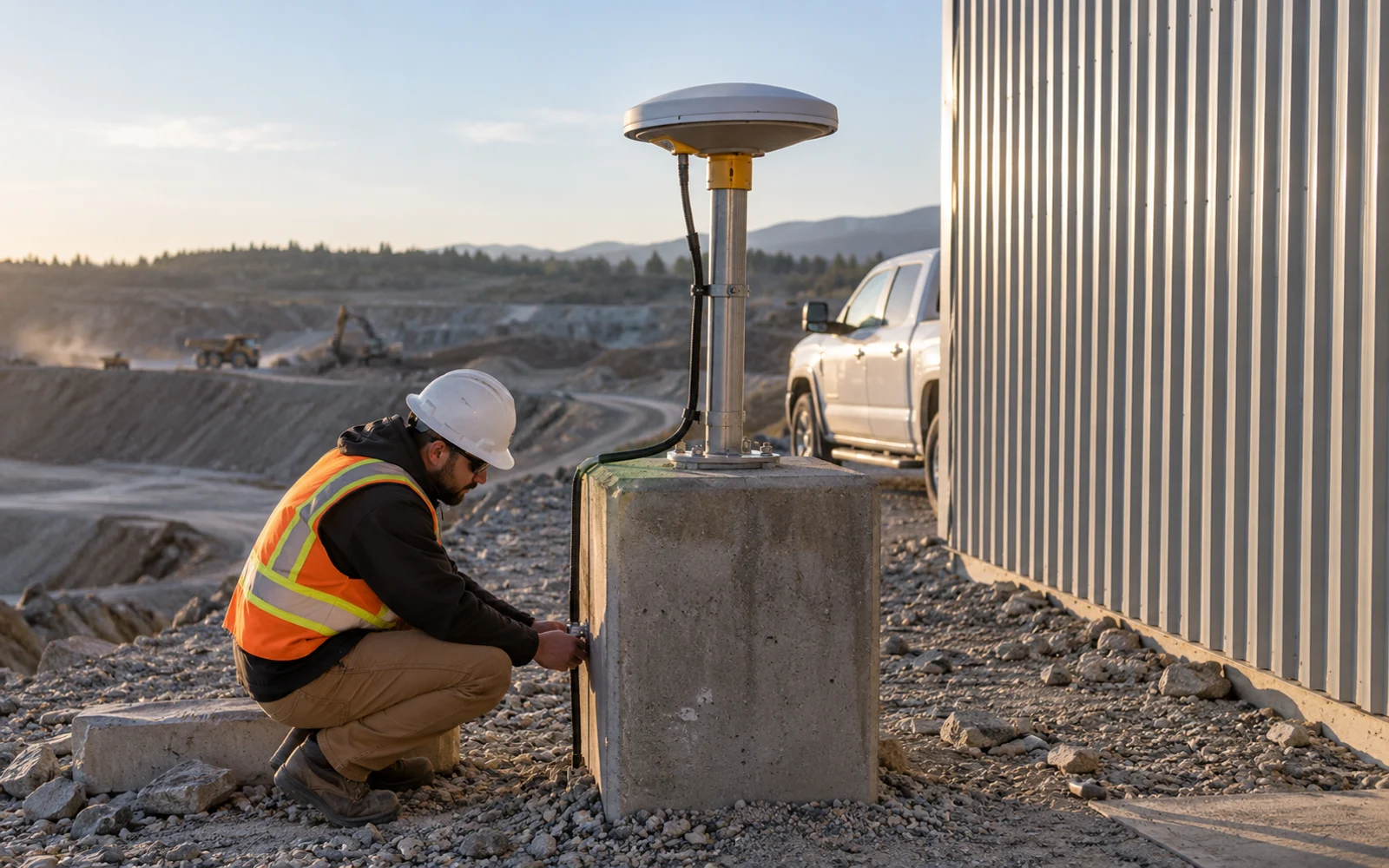
Investigate GNSS multipath at fixed monitoring stations using observation quality, site changes and independent checks before altering displacement data.

Convert tilt to displacement only with a stated pivot, length and deformation model. Review a worked example and the limits of a single tilt sensor.
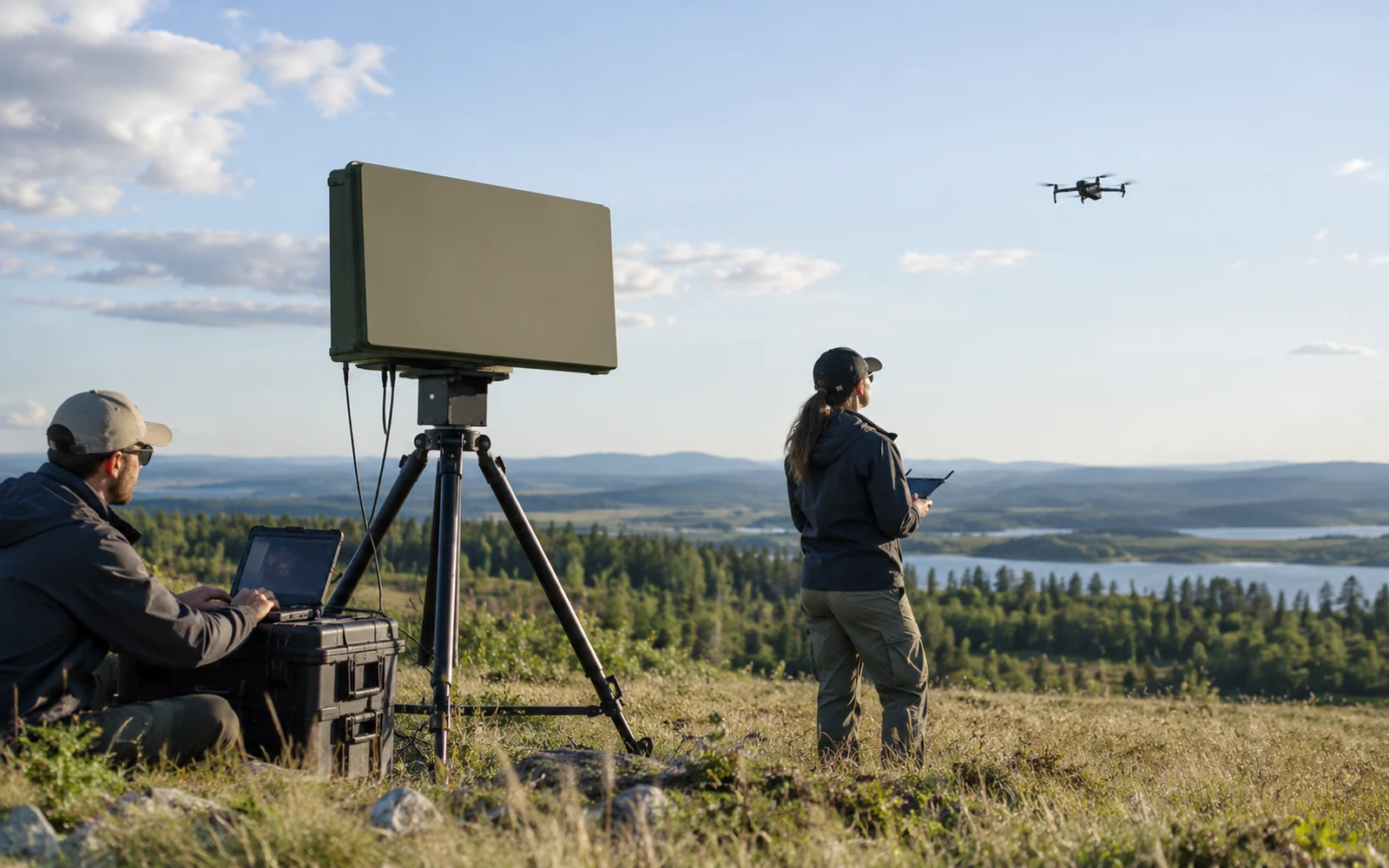
Understand drone micro-Doppler classification, review dataset boundaries, and separate research accuracy from track-level evidence at a civil site.
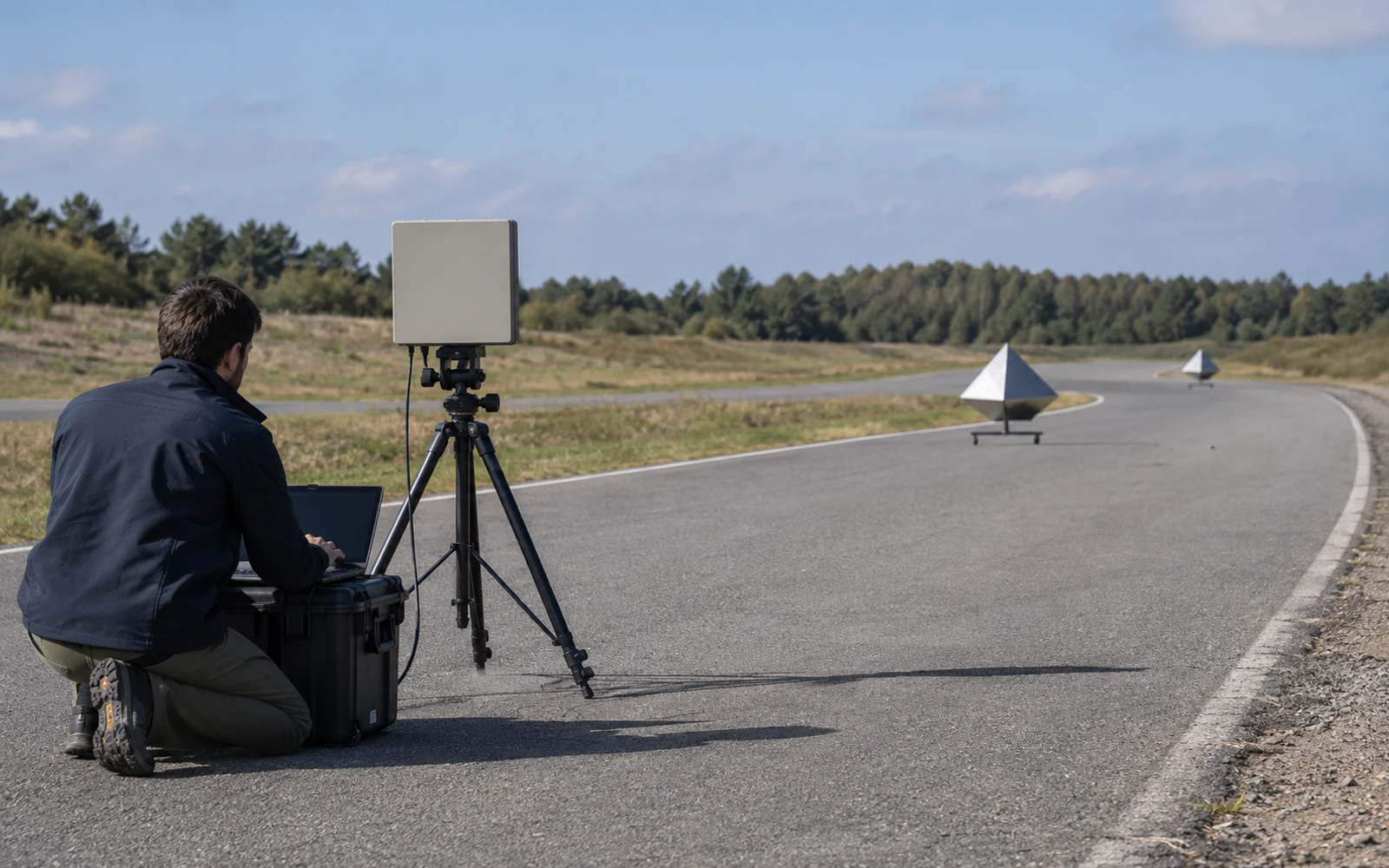
Distinguish radar range resolution, accuracy and range-bin spacing, with a bandwidth example and separate evidence requirements for each claim.
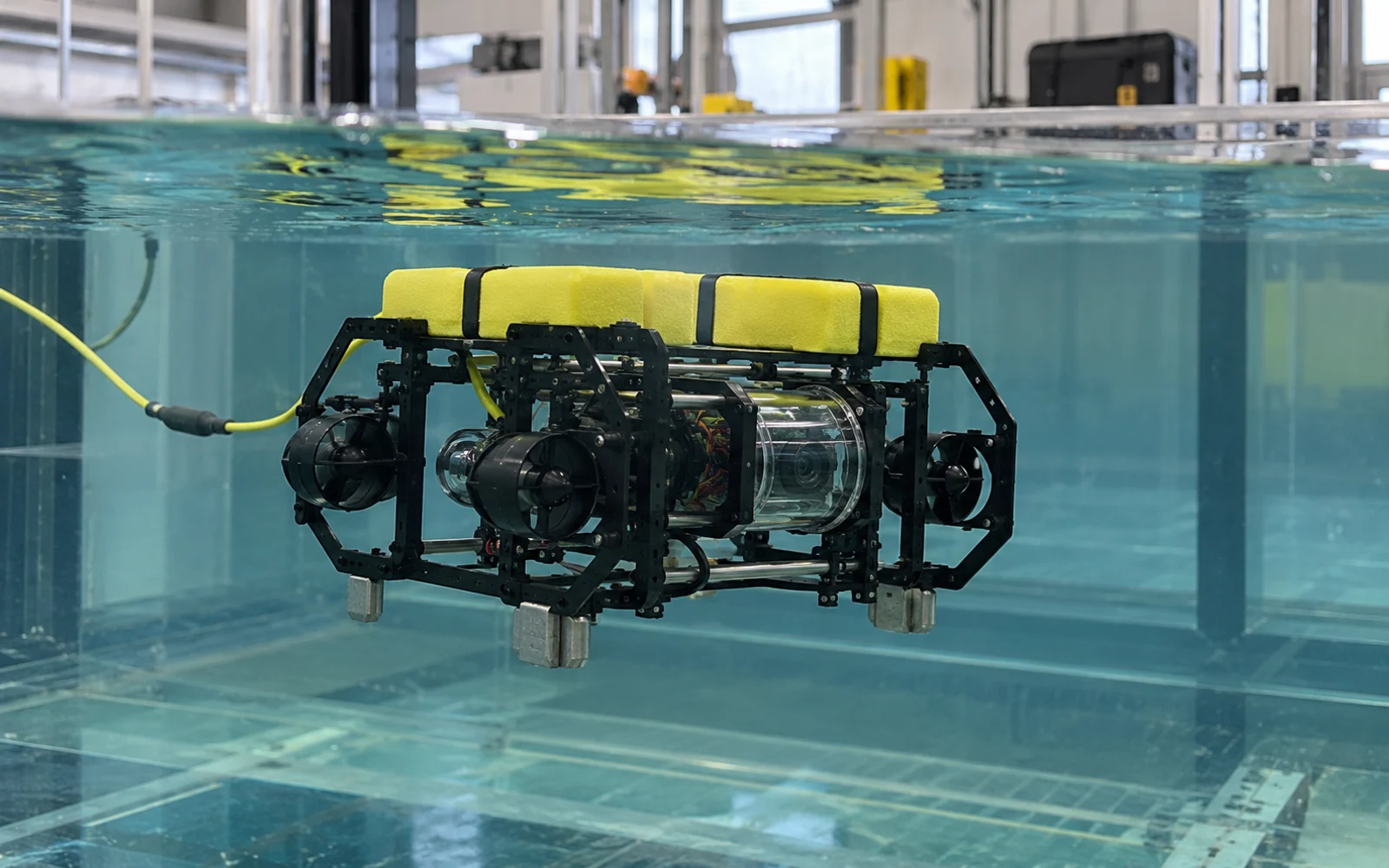
Distinguish ROV buoyancy from trim, check payload changes in controlled water, and record ballast, water conditions and tether effects before deployment.

Compare imaging sonar modes by frequency, bandwidth, beamwidth and working range, then verify that the required target detail is actually visible.
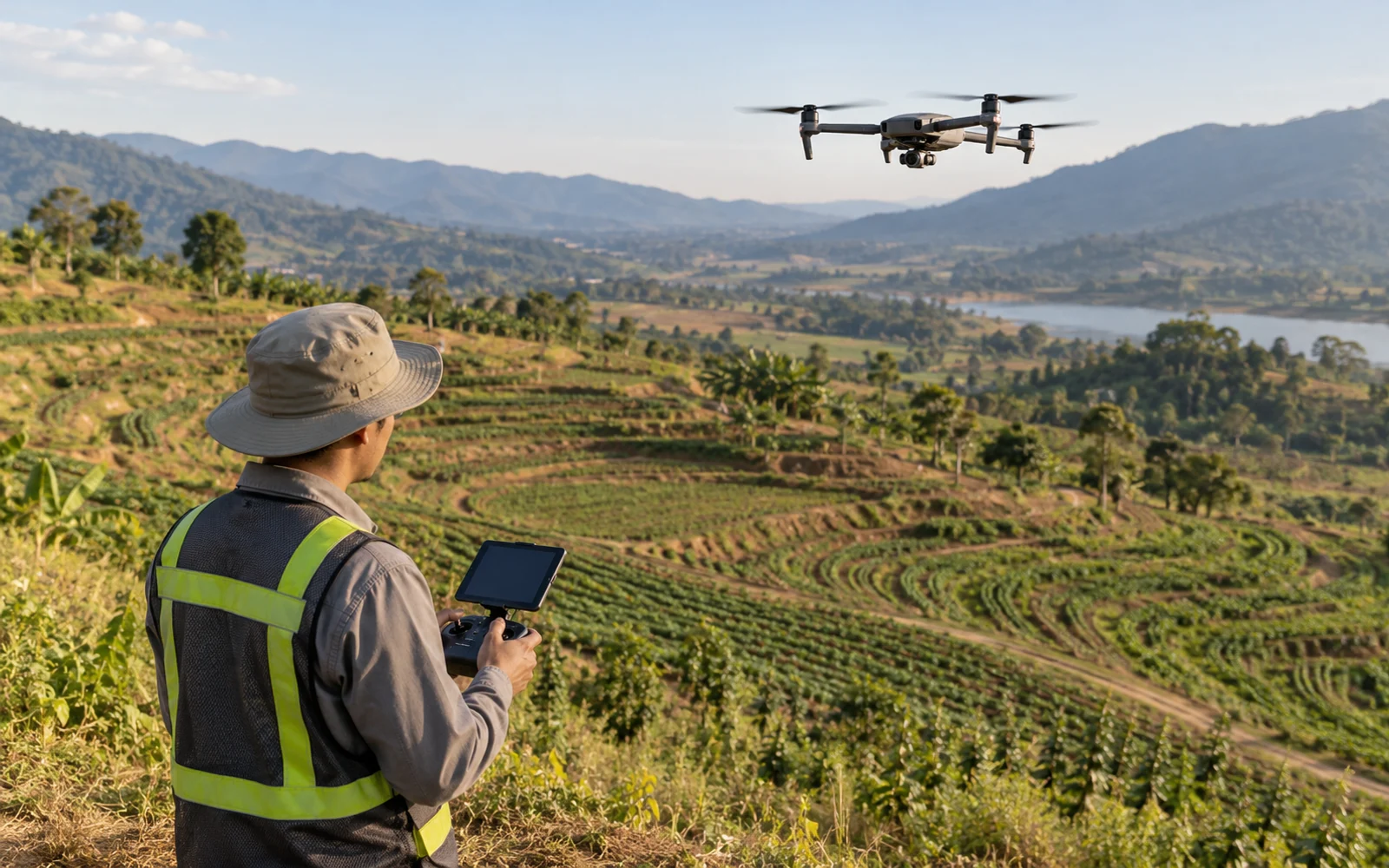
Calculate drone image spacing from overlap, then check terrain, rejected photos and boundary coverage before accepting a mapping flight.

Separate camera-model calibration from georeferencing, review parameter correlation, and verify photogrammetry results with independent checks.
Content hierarchy
Categories keep the editorial library navigable as it grows. Each article links to its parent product category, relevant solution architecture and supporting resources.
System architecture, sensing, interfaces and acceptance methods.
Selection frameworks that turn datasheet claims into testable requirements.
Field workflows, alarms, evidence and human decision-making.
Current policy signals and their practical implications for procurement.
Transaction due diligence, classification and documentation workflows.
Use the guides to frame the operating problem, then send us the mission, site and destination for a traceable equipment review.
Discuss your requirements