

Buyer's Guide
RF Drone Detectors: Capabilities, Blind Spots, and Field Evaluation
Evaluate RF drone detectors by observable signals, Remote ID and protocol boundaries, direction-finding geometry, silent targets, governance, and field evidence.
OMNI UXV Technical Insights · 101 articles · Page 9 of 12
Practical guidance for selecting, integrating and operating unmanned, sensing and security systems—from mission definition and procurement to compliance, acceptance and lifecycle support.
Technical editorial archive
Showing 73–81 of 101
Evaluate RF drone detectors by observable signals, Remote ID and protocol boundaries, direction-finding geometry, silent targets, governance, and field evidence.
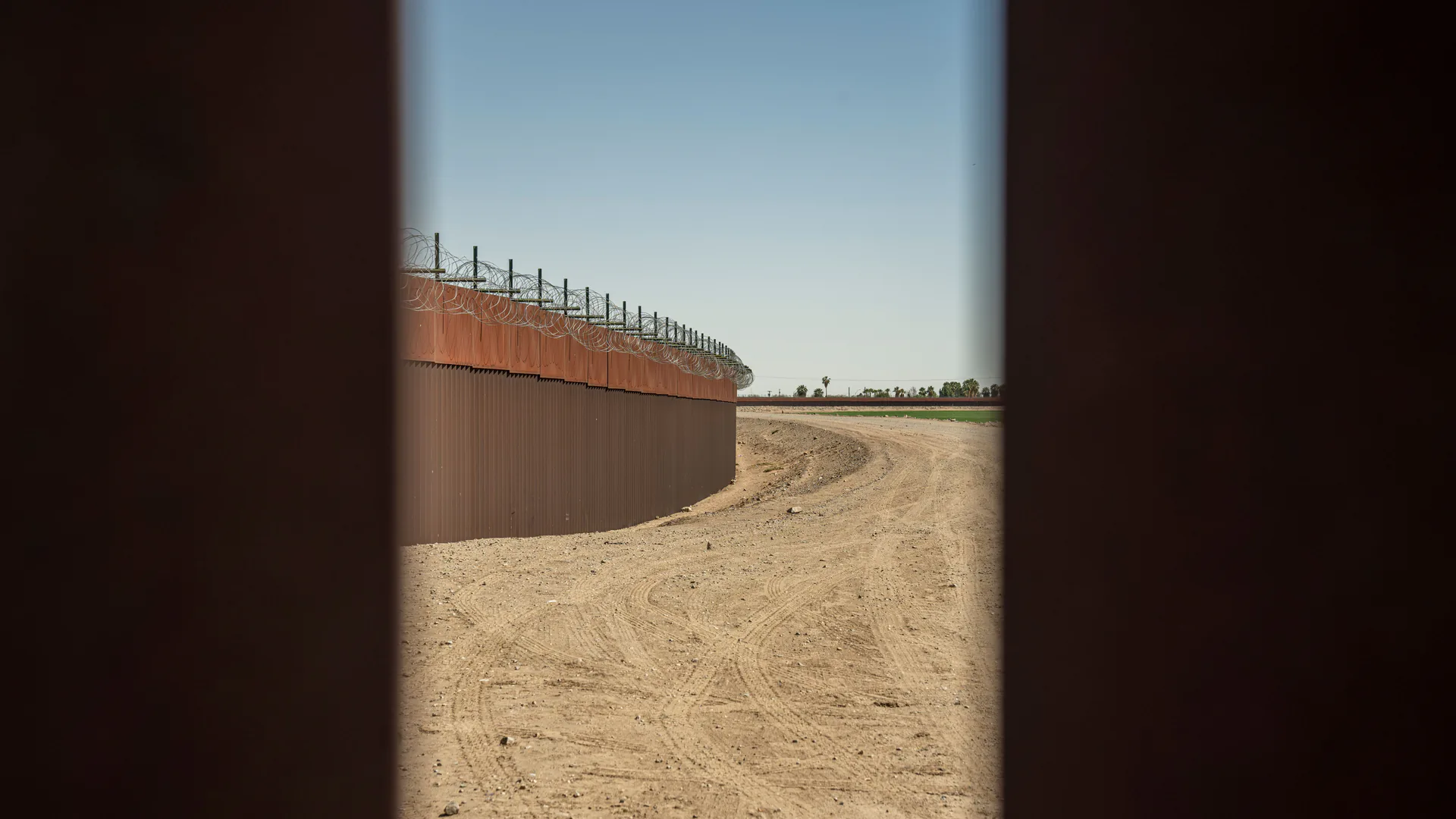
Design a border patrol drone mission around sector decisions, platform geometry, payload evidence, resilient communications, lawful data use, and field acceptance.

Plan maritime drone inspections around acceptance authority, salt and water exposure, flight geometry, traceable imagery, maintenance, and method handoffs.

Select a heavy-lift drone by usable payload, load geometry, energy reserve, failure behavior, ground handling, and representative acceptance tests.

How U.S. drone buyers should verify Section 232 rates, covered configurations, origin, entry dates, landed cost, and contract exposure.

A procurement guide to 3D traffic radar, covering measurement dimensions, point-cloud claims, lane mapping, target classes, interfaces, and site acceptance.

Compare radar, RF, EO/IR, acoustic, and Remote ID drone detection by observable signal, silent-target behavior, environment, false alarms, and test evidence.

Build a port inspection lifecycle across asset registers, above-water survey, sonar, ROV imaging, cleaning, NDT, defect decisions, and repeatable evidence.

Plan an AUV side-scan sonar survey by comparing autonomous, vessel-towed, hull-mounted, and ROV-mounted systems on coverage, resolution, navigation, and cost.
Content hierarchy
Categories keep the editorial library navigable as it grows. Each article links to its parent product category, relevant solution architecture and supporting resources.
System architecture, sensing, interfaces and acceptance methods.
Selection frameworks that turn datasheet claims into testable requirements.
Field workflows, alarms, evidence and human decision-making.
Current policy signals and their practical implications for procurement.
Transaction due diligence, classification and documentation workflows.
Use the guides to frame the operating problem, then send us the mission, site and destination for a traceable equipment review.
Discuss your requirements