

Buyer's Guide
Electro-Optical Tracking: Making Radar-to-Camera Handoffs Work
Evaluate electro-optical tracking by radar cue accuracy, camera field of view, target reacquisition, visual evidence and operator handoff under real conditions.
OMNI UXV Technical Insights · 101 articles · Page 7 of 12
Practical guidance for selecting, integrating and operating unmanned, sensing and security systems—from mission definition and procurement to compliance, acceptance and lifecycle support.
Technical editorial archive
Showing 55–63 of 101
Evaluate electro-optical tracking by radar cue accuracy, camera field of view, target reacquisition, visual evidence and operator handoff under real conditions.
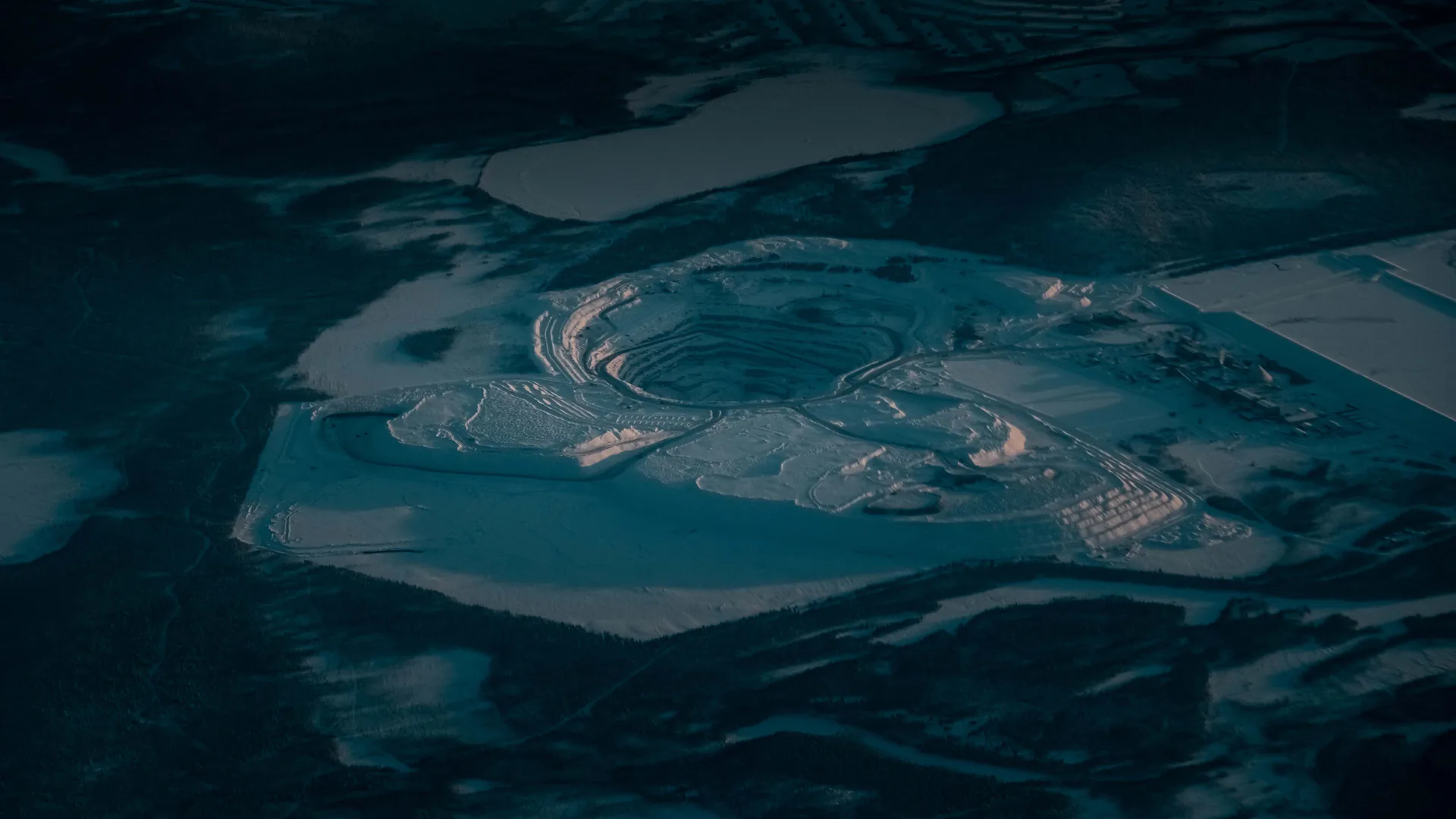
Design tailings dam monitoring around failure modes, pore pressure, deformation, water balance, independent review and trigger-action responsibilities.

Specify ONVIF Profile T and M by device and client functions, firmware conformance, secure transport, event mapping and a tested Profile S migration path.
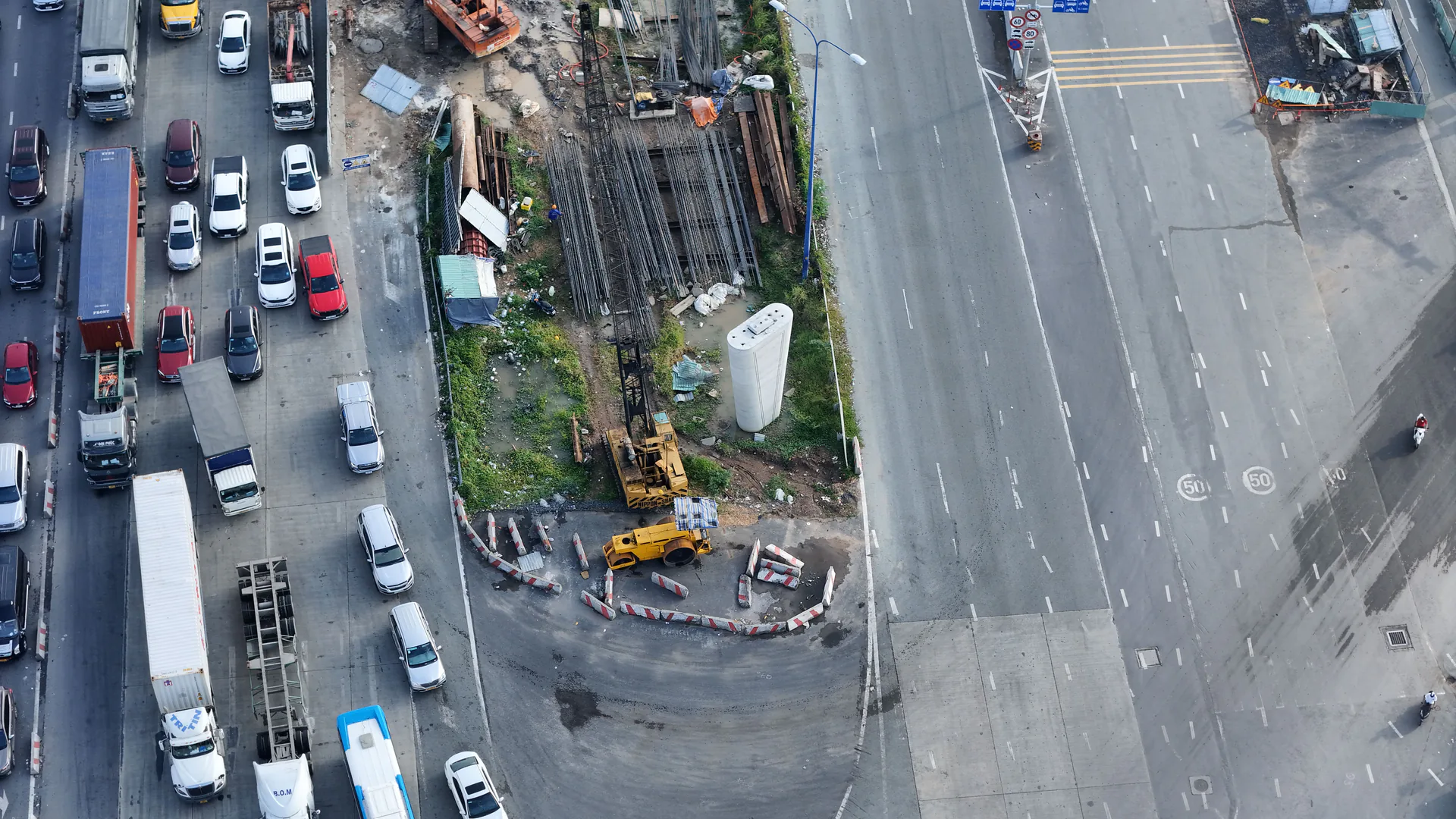
Design traffic queue detection around lane-level queue tails, sensor coverage, warning latency, degraded states and field evidence from changing work zones.
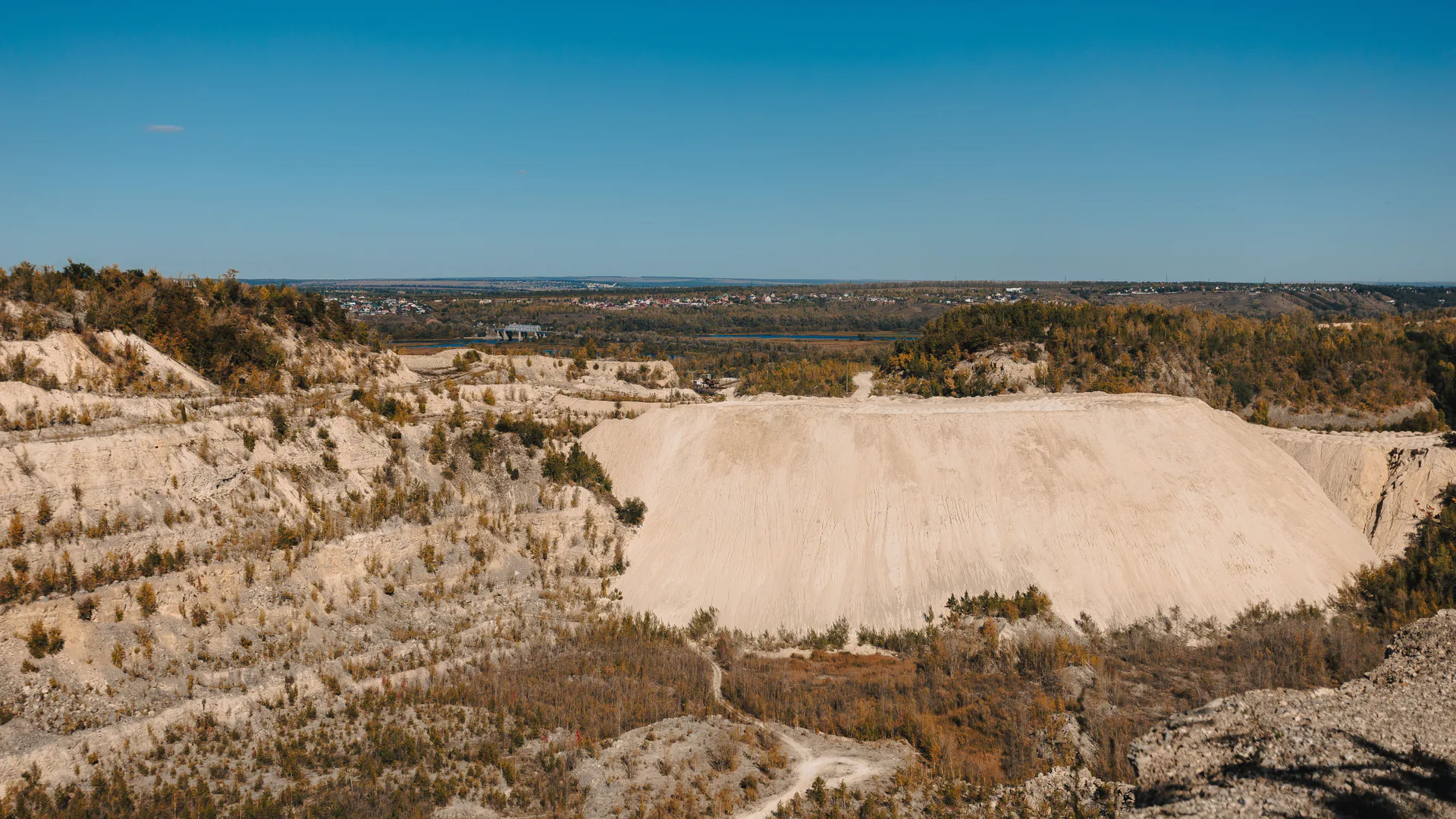
Accept slope monitoring radar by testing line-of-sight geometry, reference stability, environmental artifacts, corroboration, faults, and recovery.

Specify an ROV umbilical cable and tether handling plan for current, bends, abrasion, launch, recovery, inspection records and defensible operating limits.

Specify underwater hull cleaning around fouling condition, coating limits, debris capture, local permission and evidence from a representative ROV trial.
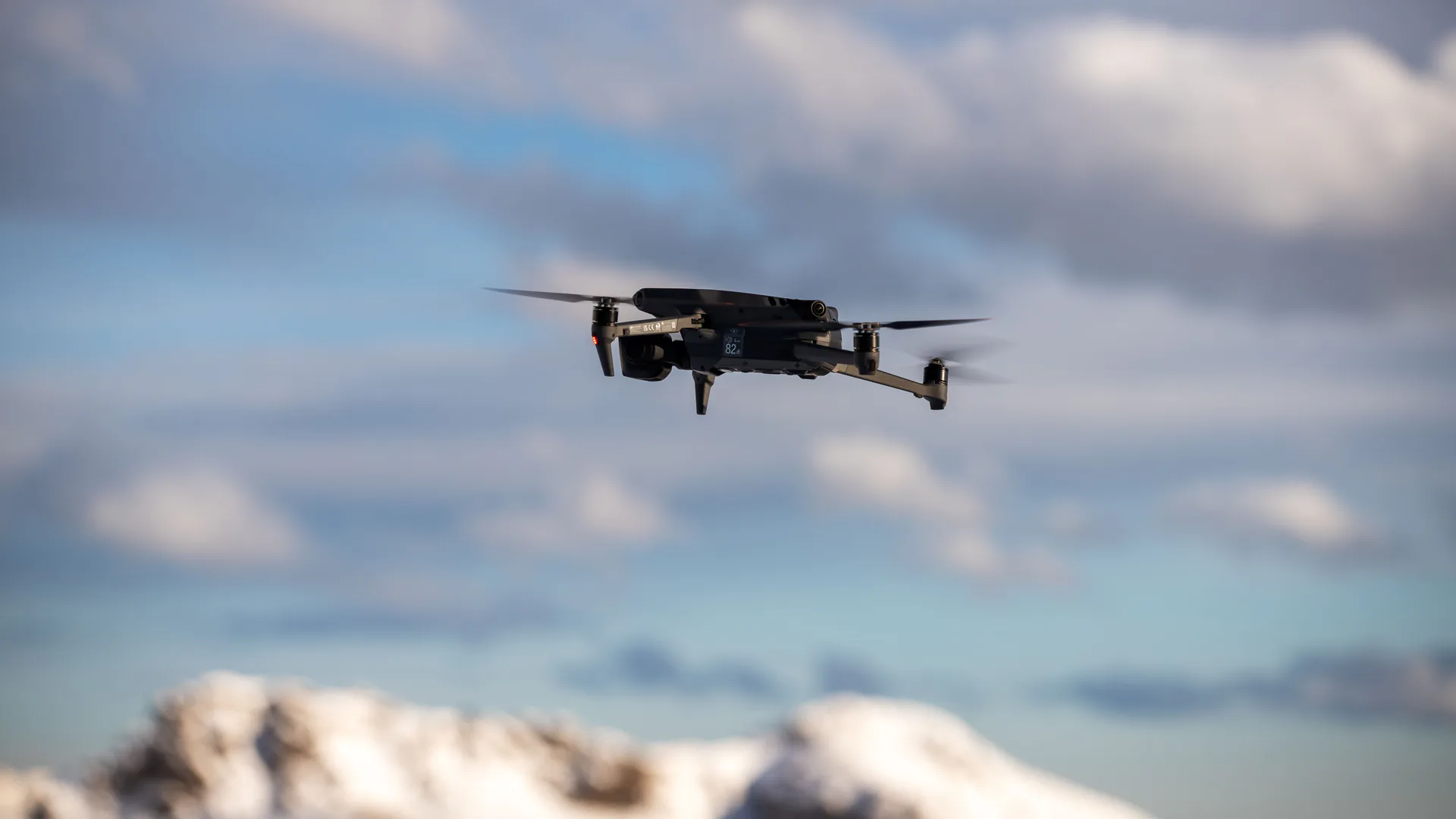
Check US drone Remote ID compliance at fleet intake and preflight, including declarations, serial numbers, broadcast modules, FRIAs and failure handling.

Compare LiDAR and photogrammetry for vegetation, bare-earth terrain, structures and stockpiles, then specify checks that make survey outputs usable.
Content hierarchy
Categories keep the editorial library navigable as it grows. Each article links to its parent product category, relevant solution architecture and supporting resources.
System architecture, sensing, interfaces and acceptance methods.
Selection frameworks that turn datasheet claims into testable requirements.
Field workflows, alarms, evidence and human decision-making.
Current policy signals and their practical implications for procurement.
Transaction due diligence, classification and documentation workflows.
Use the guides to frame the operating problem, then send us the mission, site and destination for a traceable equipment review.
Discuss your requirements