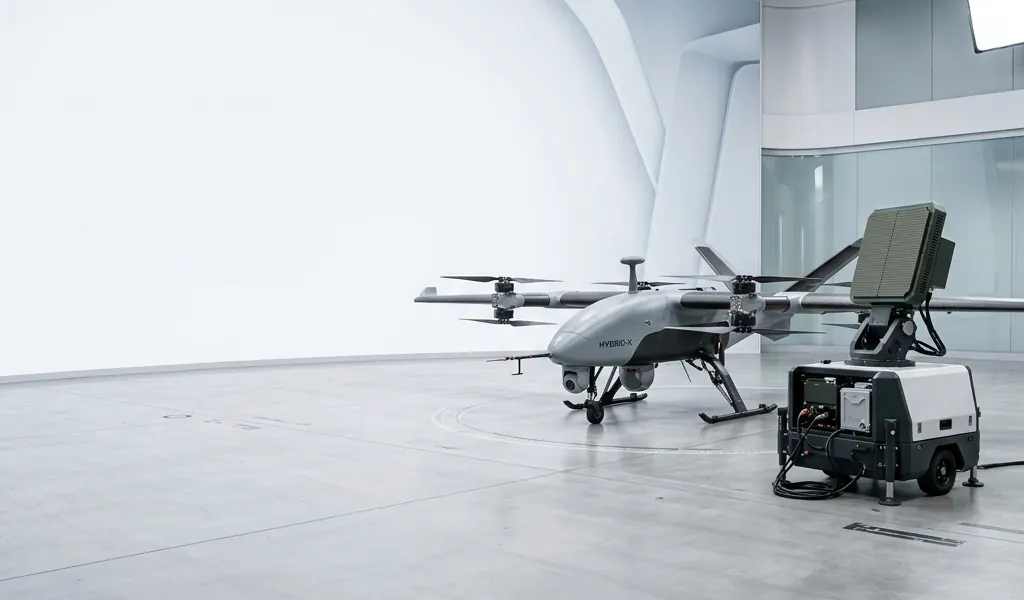

Operational Guide
Cell Tower Drone Inspection: RF-Aware Flight, Asset IDs, and Evidence
Plan cell tower drone inspection around antenna asset IDs, RF-aware field controls, repeatable viewpoints, evidence quality, and work-order handoff.
OMNI UXV Technical Insights · 101 articles · Page 6 of 12
Practical guidance for selecting, integrating and operating unmanned, sensing and security systems—from mission definition and procurement to compliance, acceptance and lifecycle support.
Technical editorial archive
Showing 46–54 of 101
Plan cell tower drone inspection around antenna asset IDs, RF-aware field controls, repeatable viewpoints, evidence quality, and work-order handoff.
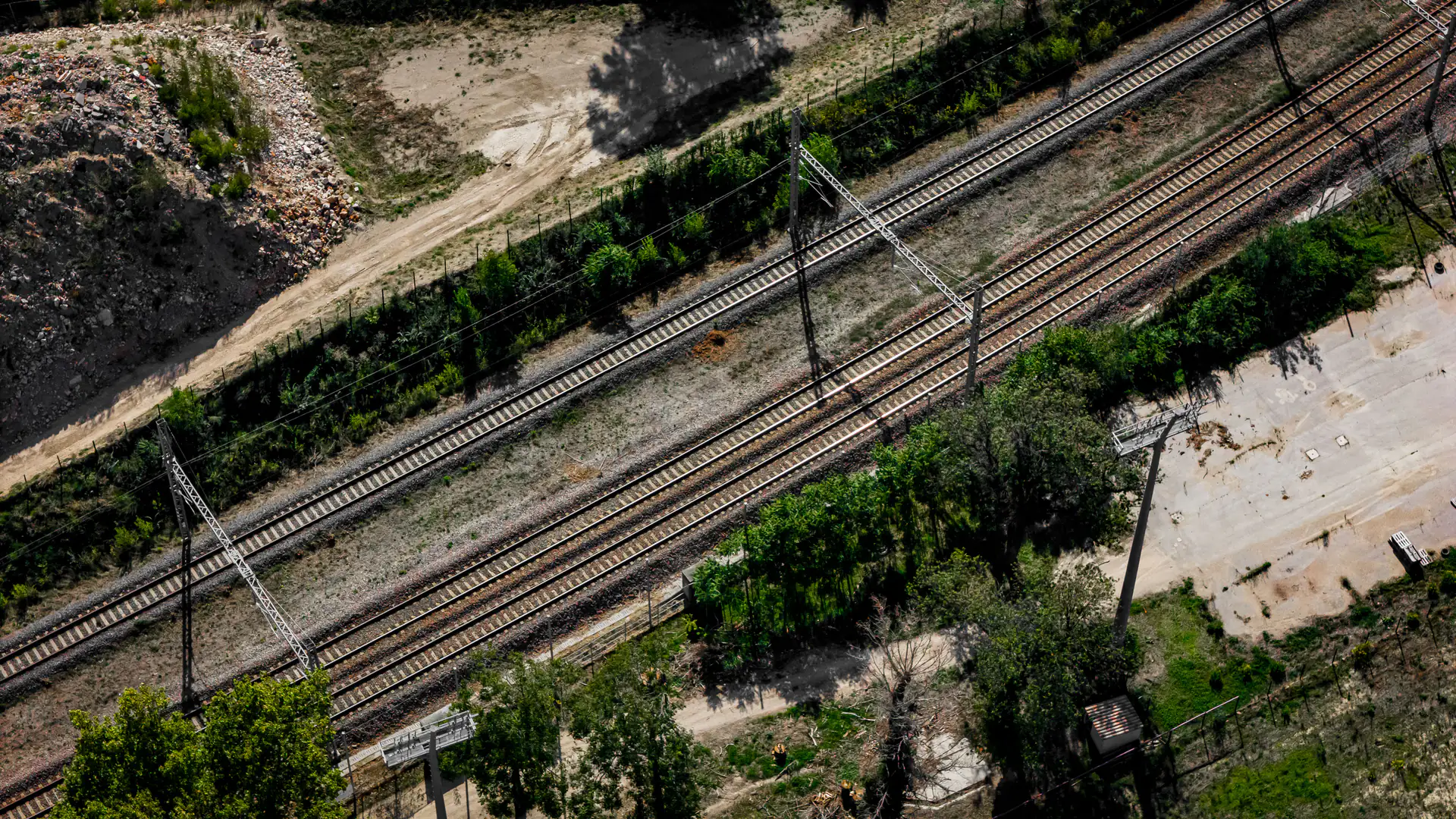
Design railway drone inspection around track assets, corridor coverage, train and flight risk, evidence quality, exceptions, and maintenance work orders.

Plan wind turbine drone inspection around blade-zone coverage, repeatable image evidence, operating risk, defect review, and a measurable acceptance trial.

Specify automated speed enforcement as a complete program covering speed measurement, vehicle evidence, calibration, human review, privacy and public oversight.
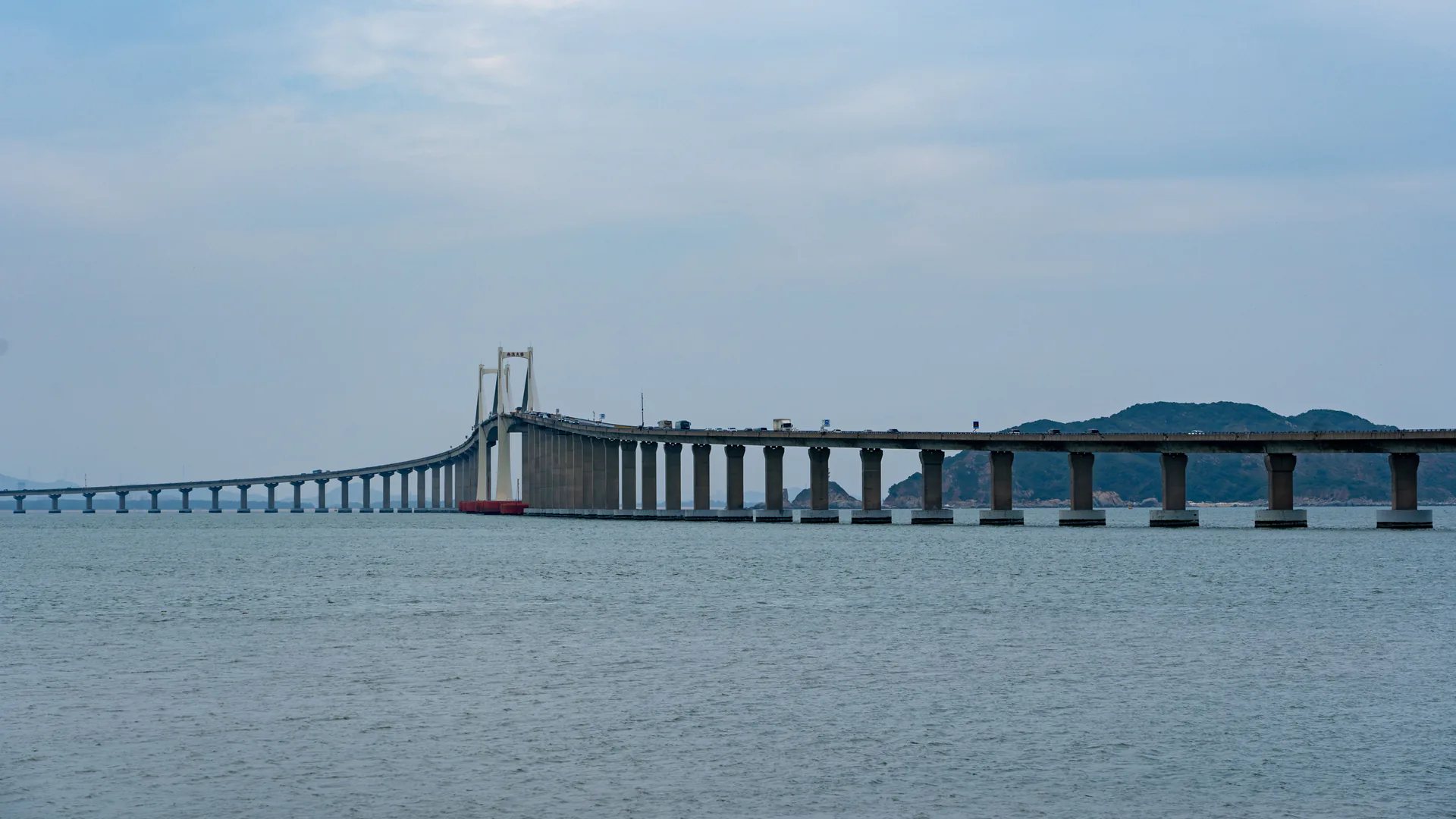
Design a bridge monitoring system by linking engineering decisions to measured quantities, sensor baselines, environmental compensation and response workflows.

Specify a drone searchlight by target illuminance, beam geometry, endurance, glare, night-flight lighting and incident-command acceptance—not lumens alone.
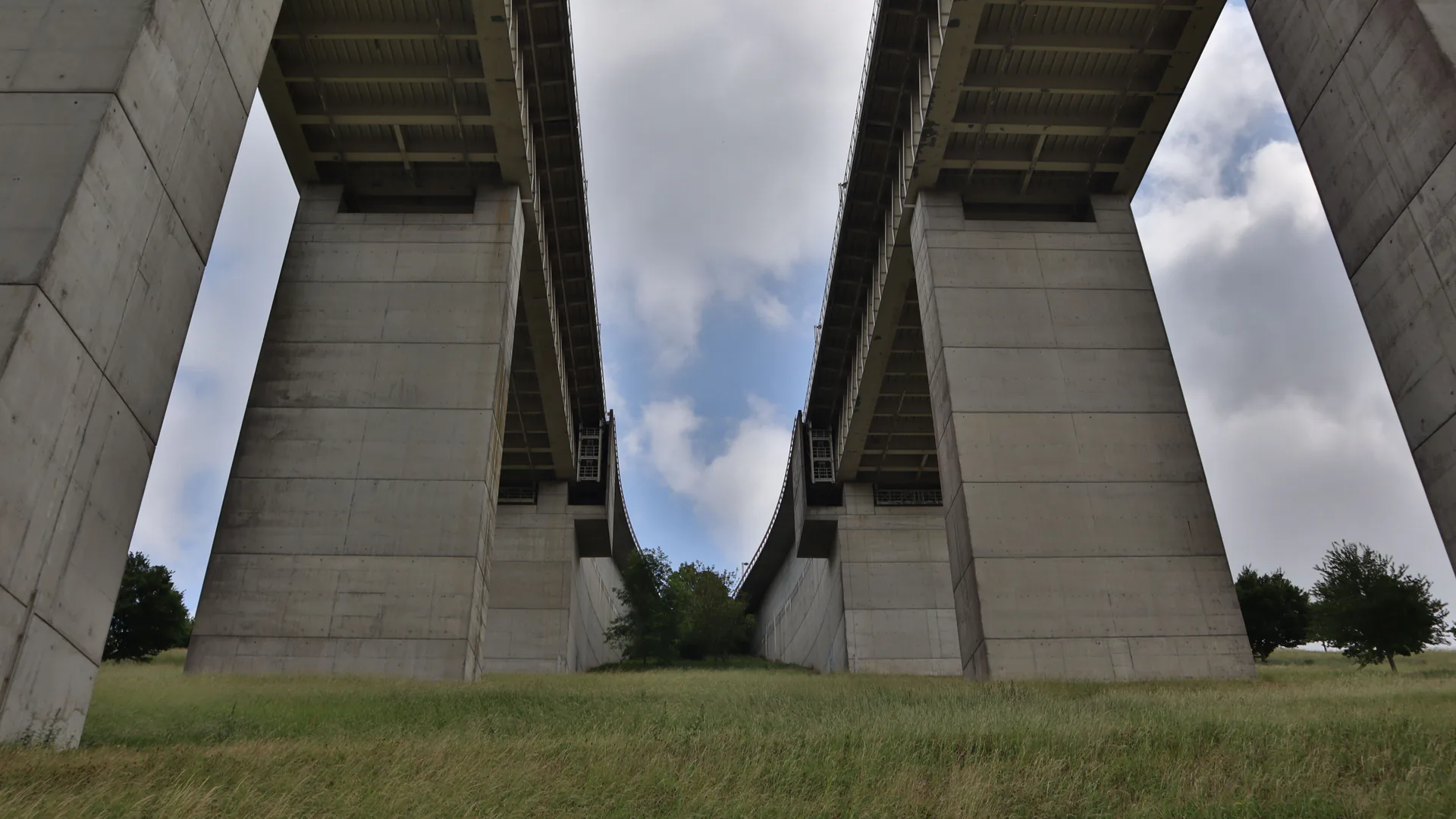
Plan drone bridge inspection as a supplementary evidence method with component coverage, repeatable imagery, GPS-poor flight controls and physical follow-up.
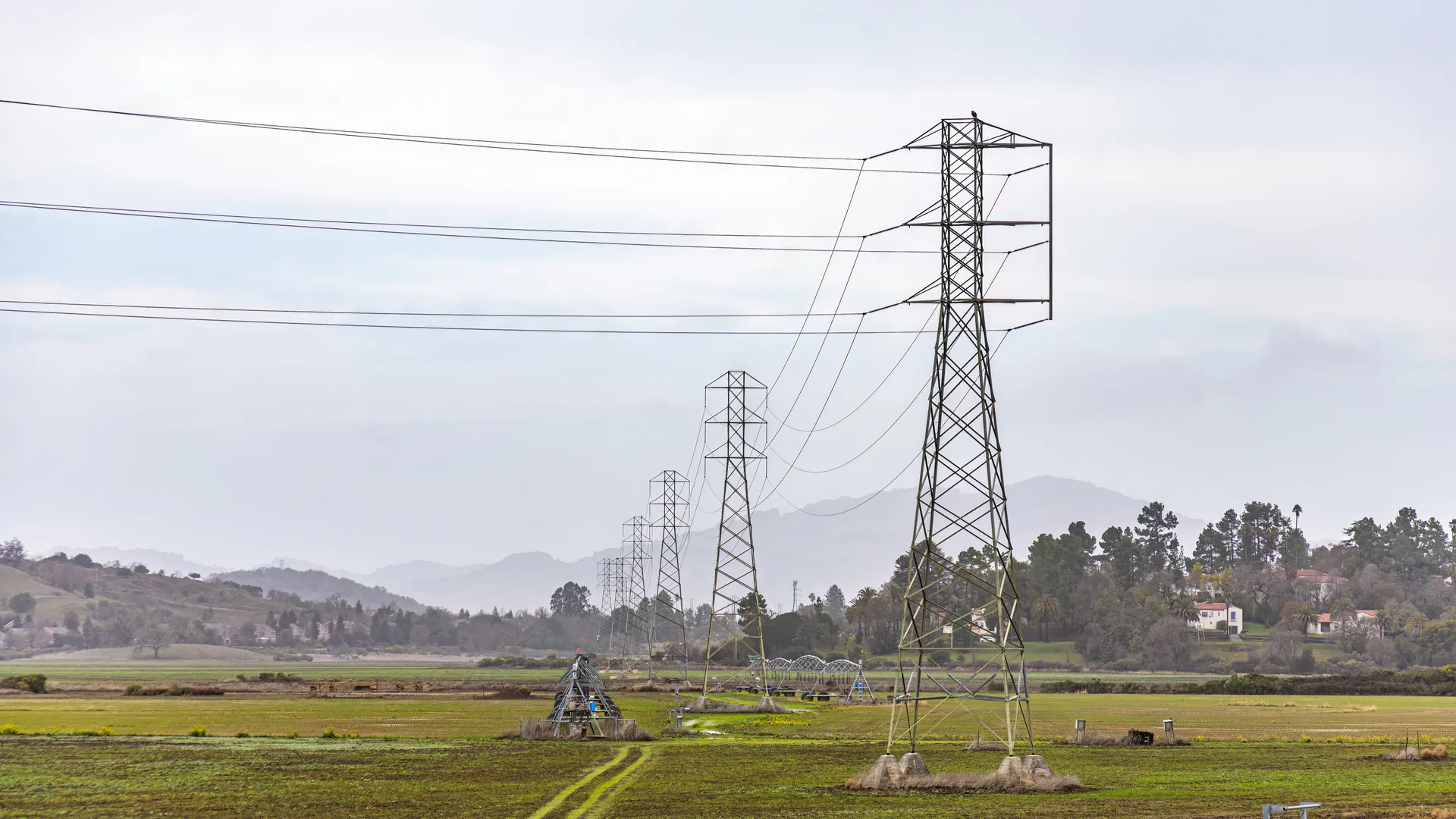
Plan drone power line inspection around asset identity, repeatable viewpoints, thermal evidence, flight risk and a closed utility work-order workflow.
Design an underwater pipeline inspection around ROV coverage, position uncertainty, visual and sonar limits, anomaly records and integrity-team follow-up.
Content hierarchy
Categories keep the editorial library navigable as it grows. Each article links to its parent product category, relevant solution architecture and supporting resources.
System architecture, sensing, interfaces and acceptance methods.
Selection frameworks that turn datasheet claims into testable requirements.
Field workflows, alarms, evidence and human decision-making.
Current policy signals and their practical implications for procurement.
Transaction due diligence, classification and documentation workflows.
Use the guides to frame the operating problem, then send us the mission, site and destination for a traceable equipment review.
Discuss your requirements