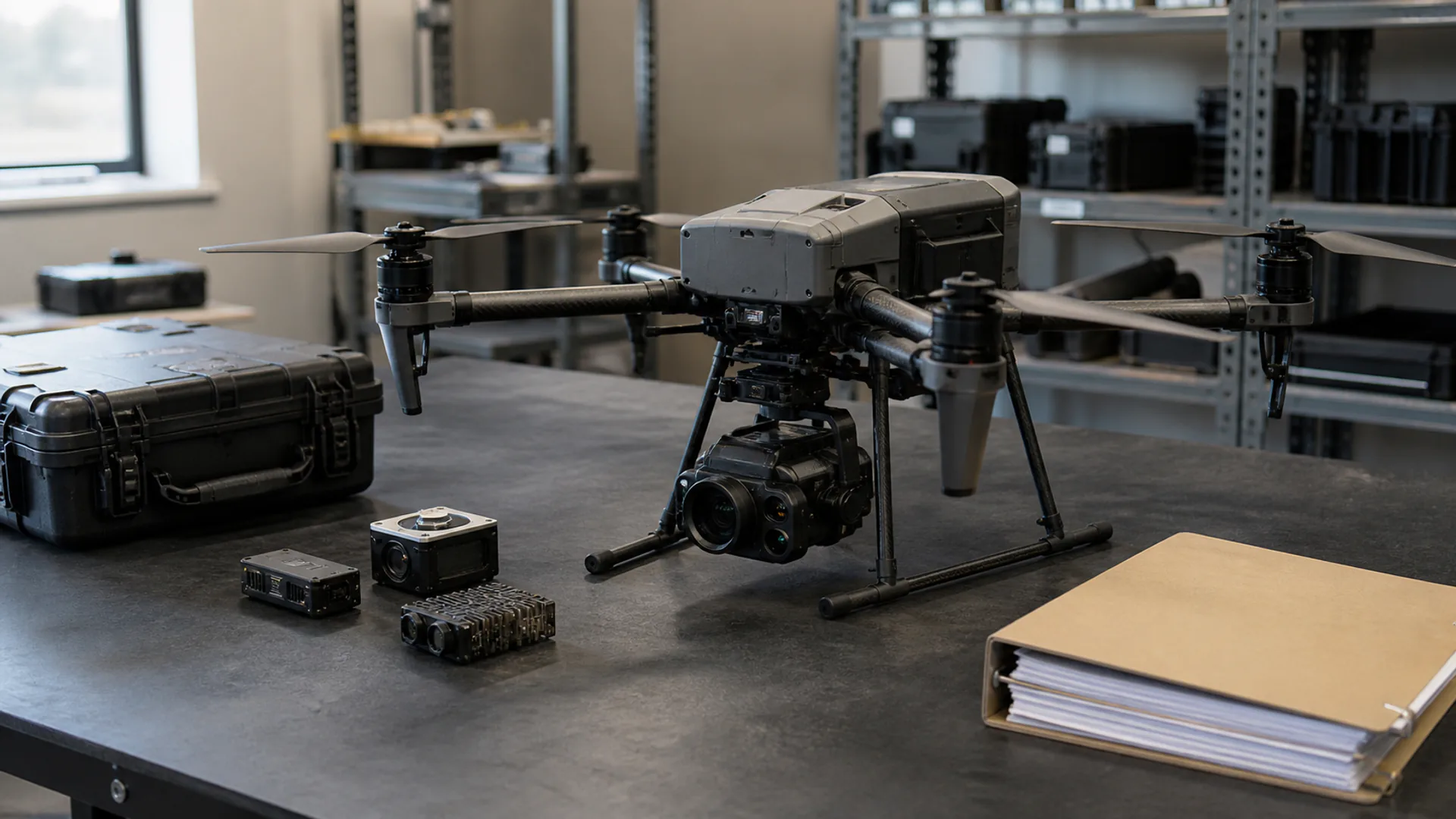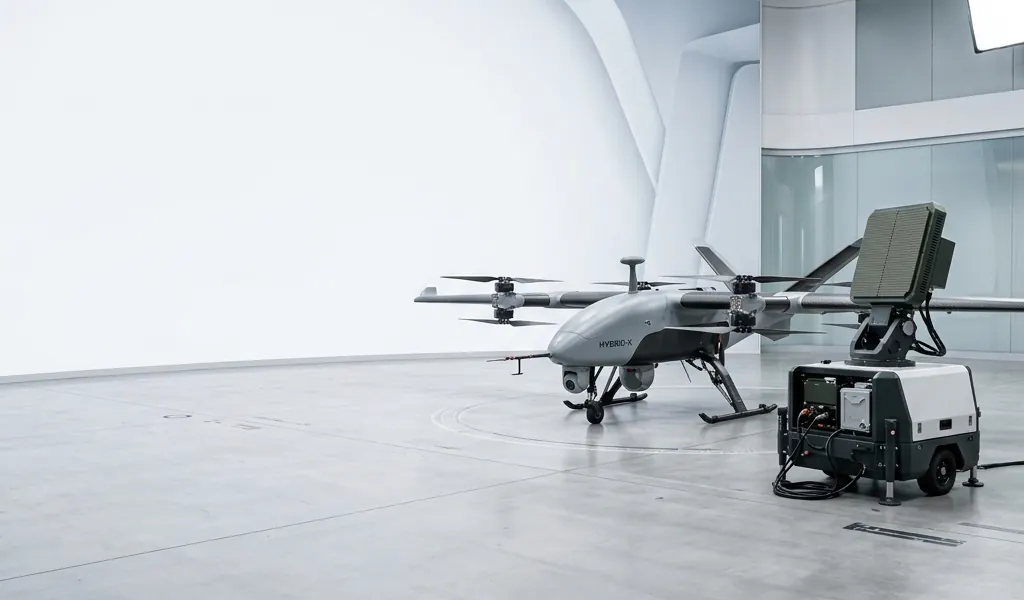

Counter-Drone System Cost: Budget Sensors, Integration, Testing, and Operations
Build a counter-drone system cost model covering sensors, site infrastructure, command integration, legal review, acceptance testing, staffing, and refresh.
OMNI UXV Technical Insights · 167 articles · Page 12 of 19
Practical guidance for selecting, integrating and operating unmanned, sensing and security systems—from mission definition and procurement to compliance, acceptance and lifecycle support.
Technical editorial archive
Showing 100–108 of 167

Build a counter-drone system cost model covering sensors, site infrastructure, command integration, legal review, acceptance testing, staffing, and refresh.

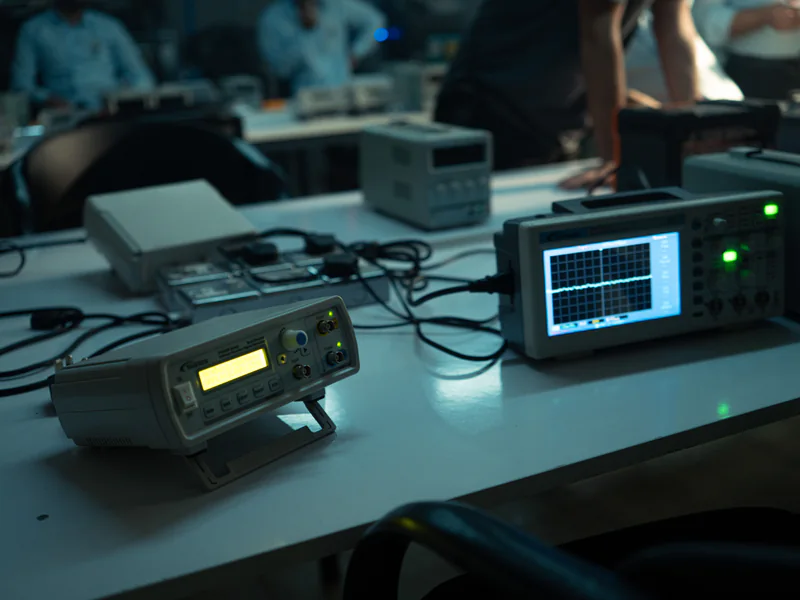
Specify oil and gas drone inspection evidence for tanks, flares, process units, unmanned facilities, safety controls, defect review, and site acceptance.

Compare portable drone detectors by observable signals, handheld or backpack workflow, battery, logging, integration, legal boundaries, and blind field tests.

Choose the best drone for mapping by accuracy class, deliverable, terrain, sensor, positioning, field productivity, processing, and proof-project results.

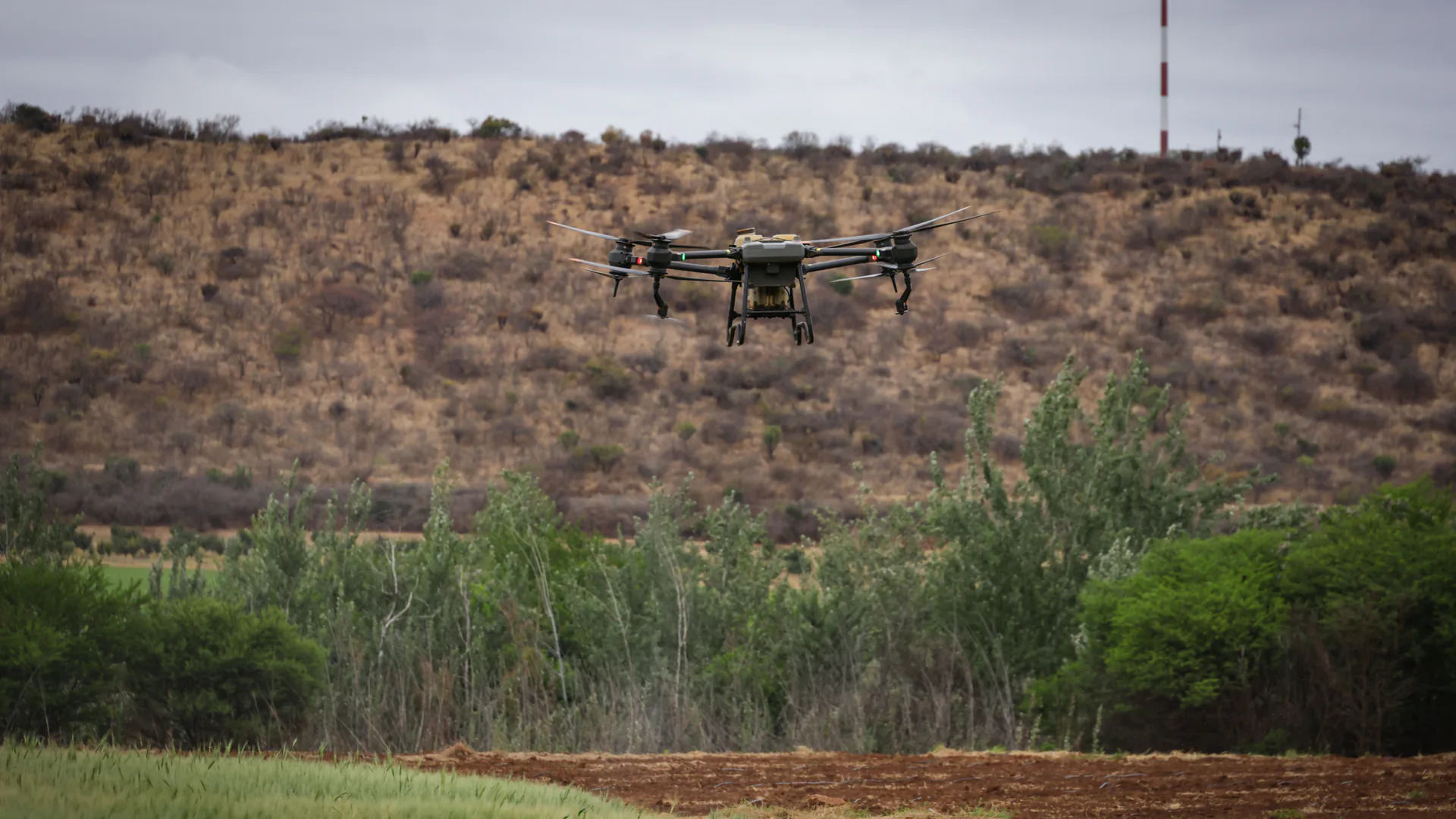
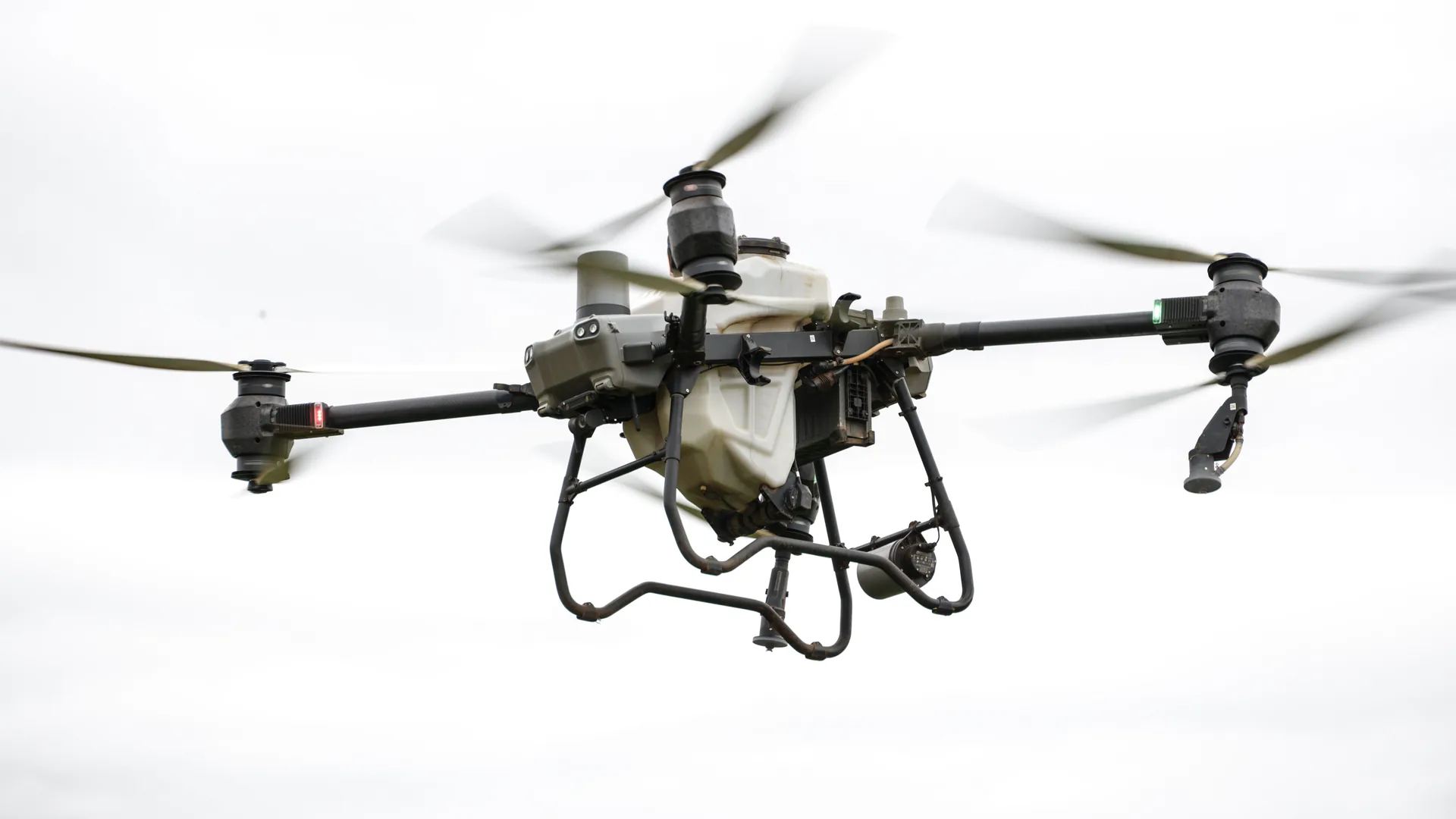
Build an industrial drone cost model that includes the aircraft, payload, software, integration, training, spares, compliance, and operational support.

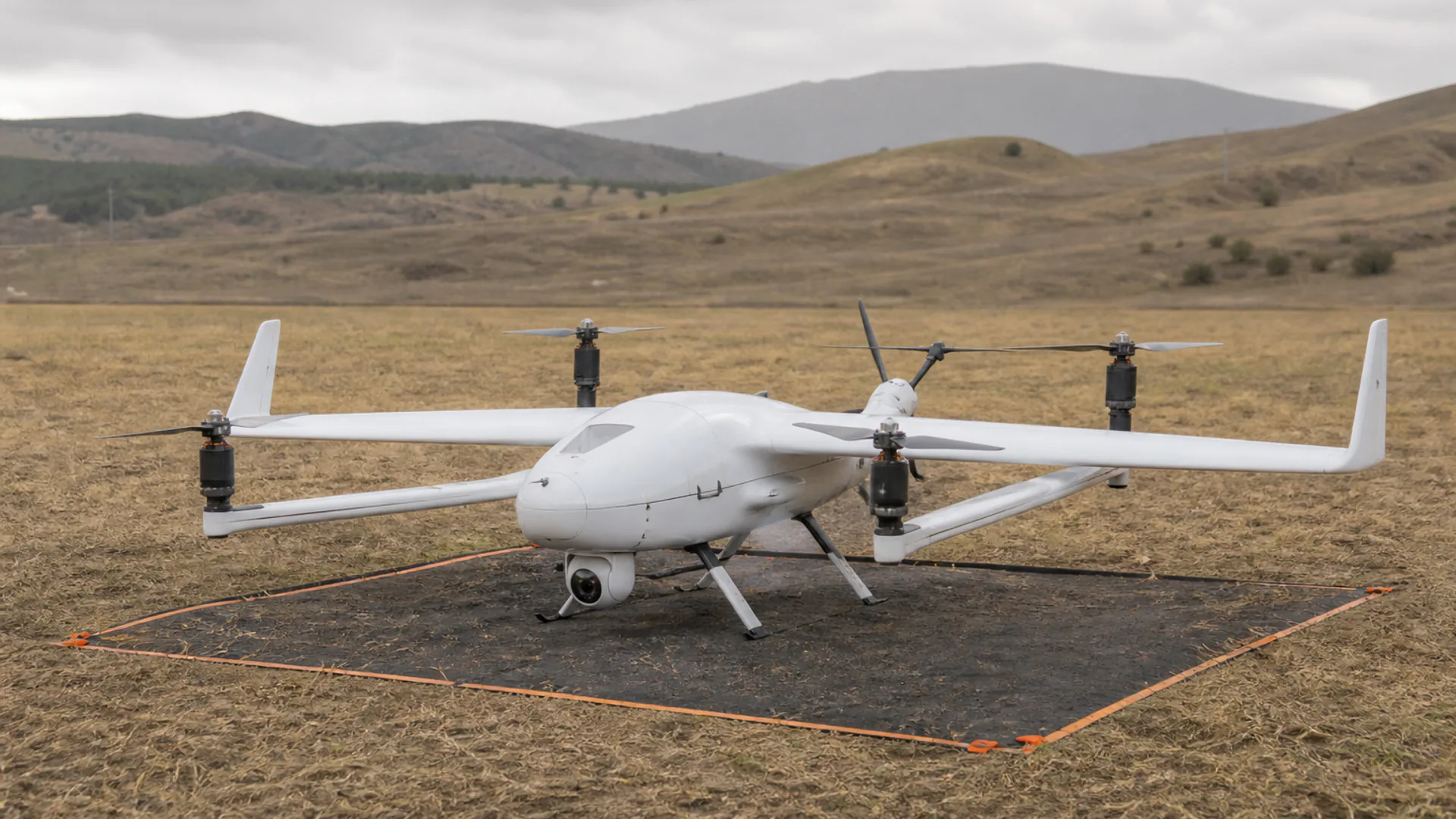
Evaluate VTOL drones for sale by deliverable, installed-payload performance, field constraints, support, quote scope, and a representative acceptance flight.

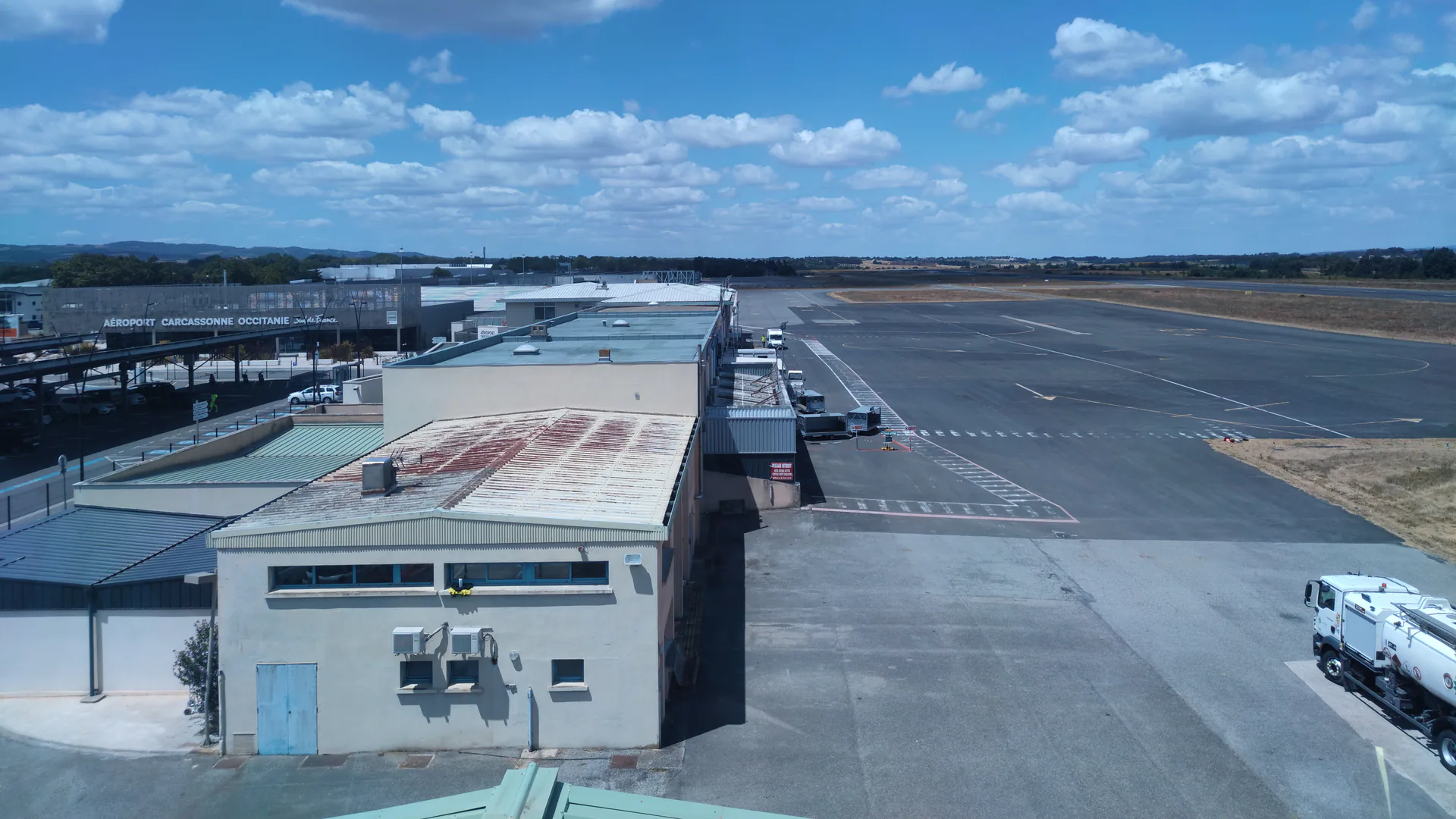
Design airport drone detection around coverage, sensor fusion, aviation-safe siting, alert confidence, agency coordination, legal authority, and acceptance tests.

Verify NDAA-compliant drone claims against the buyer, transaction, component scope, Blue UAS status, FCC rules, evidence date, and contract terms.

Design wrong-way driver detection around decision-zone geometry, radar and video confirmation, warning outputs, operator response, and performance tests.
Content hierarchy
Categories keep the editorial library navigable as it grows. Each article links to its parent product category, relevant solution architecture and supporting resources.
System architecture, sensing, interfaces and acceptance methods.
Selection frameworks that turn datasheet claims into testable requirements.
Field workflows, alarms, evidence and human decision-making.
Current policy signals and their practical implications for procurement.
Transaction due diligence, classification and documentation workflows.
Use the guides to frame the operating problem, then send us the mission, site and destination for a traceable equipment review.
Discuss your requirements